Despite the ubiquitous smartphones, wall clocks have not faded into oblivion. For centuries, they have kept time, becoming an important element of every cosy home. A wall clock is also a versatile gift. After all, who doesn't pay attention to the passage of time? See what types of clocks can be distinguished and what to consider when choosing one.
A Wall Clock as a Gift
When we talk about wall clocks, we often picture old, wooden, and usually massive timepieces. Their distinctive chime, resounding on the hour, was unmistakable. Grandma's cuckoo clocks also had their unique charm, their voices still echoing in our ears. Back then, clocks played an important role in elegantly complementing a room, which, along with antique furniture, gave it a dignified character. However, wall clocks have not gone out of fashion to this day. They serve as a functional accessory but are also seen as an important decorative element of an interior.
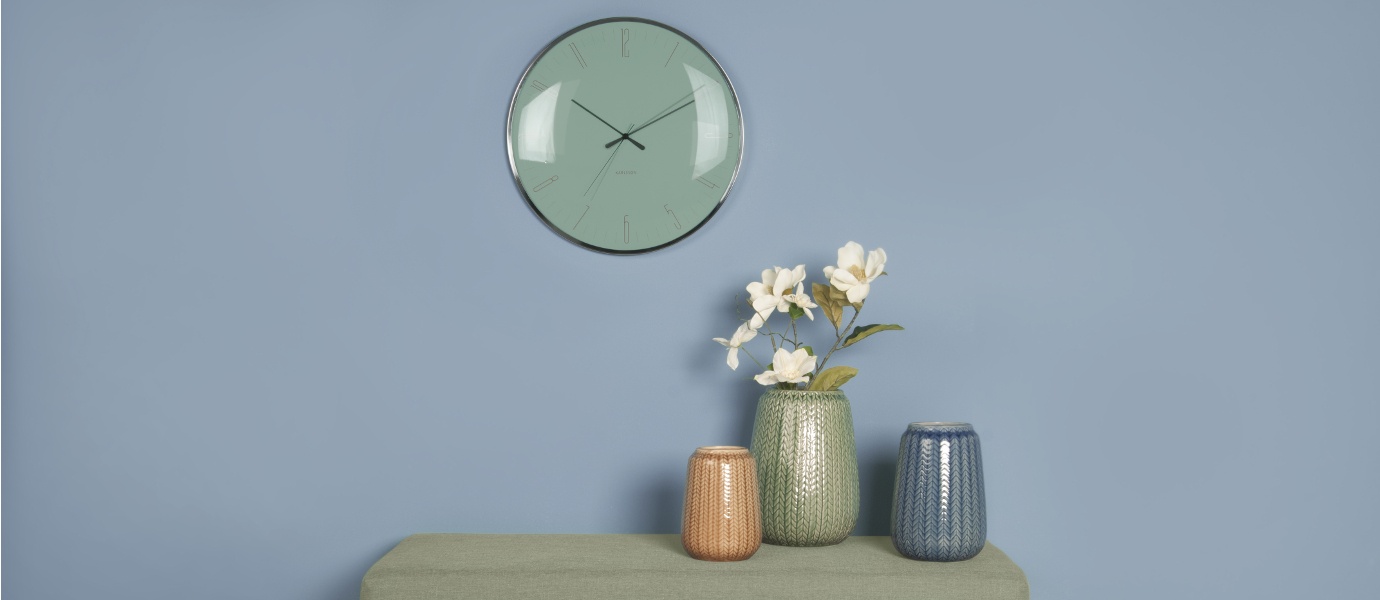

Timelessness is one of the arguments that makes a wall clock a valuable gift idea. We don't have to worry about buying a present that is unfashionable or unsuitable for the occasion. Who can imagine a home without at least one clock? Such a device should always be within sight, especially in the living room – a place where we spend a significant part of the day, meet with other household members, or host invited friends. A living room clock is a gift that can be tailored to a specific person. It's best to recall what patterns, colours, and styles the recipient prefers. This way, we'll hit the mark. Currently, we have a wide selection of shapes and designs, so we can find a clock for traditionalists, for those who appreciate modern solutions, and for minimalists. It's worth familiarising yourself with their different types to get the best possible grasp of the subject and, as a result, make a smart purchase.
A Fashionable Accessory


A Wall Clock for Traditionalists
Traditionalists appreciate classic interior designs, often referencing styles from past years. They choose timeless items, ensuring the harmony of all elements that make up the composition. This applies to shape, pattern, and colour. A traditional wall clock should have subdued colours – brown, black, or white. These are versatile and do not cause discomfort, which can happen when spending a long time in rooms with too many bright colours. The most popular materials for retro wall clocks are wood and glass.
Among traditional versions, you won't find extravagant, often futuristic shapes. Here, basic geometric forms reign supreme. Traditionalists will certainly appreciate classic cuckoo wall clocks or pendulum clocks. Thanks to them, the atmosphere of bygone times will be restored, and the room will gain a sophisticated character. Station clocks are incredibly popular, especially among vintage enthusiasts. Traditional-style timepieces will certainly be received with excitement by people whose interior designs reference the 50s, 60s, or 70s.


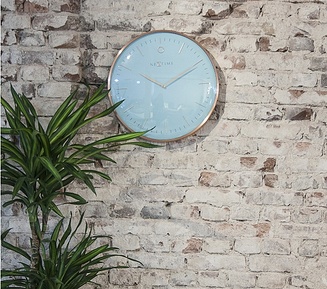
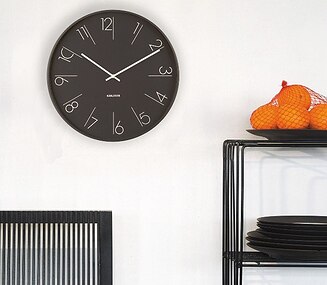
Time According to Karlsson
A Wall Clock as a Gift for Lovers of Modern Solutions
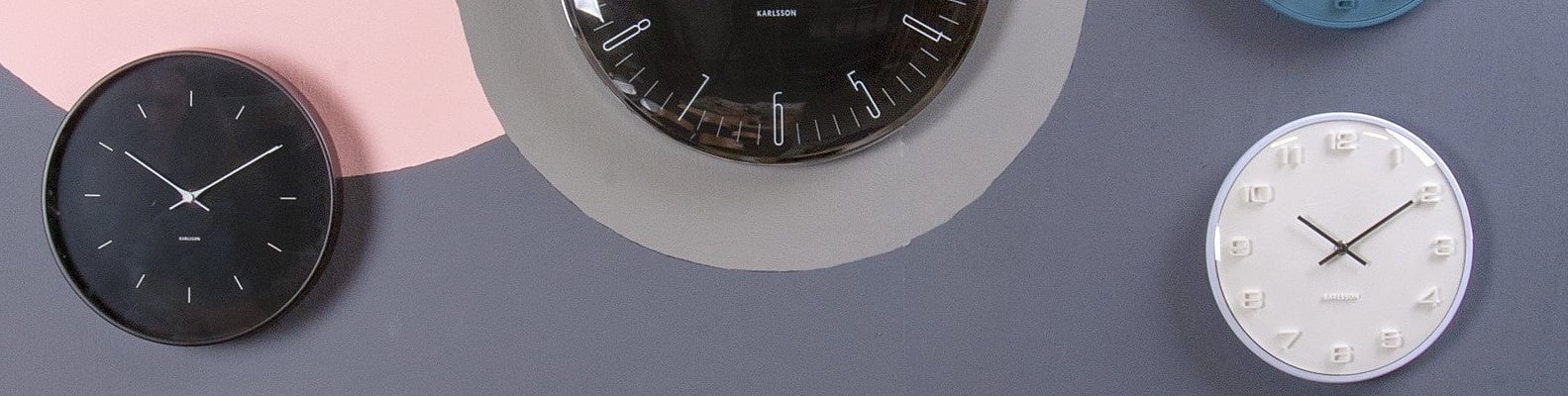
Modern solutions do not tolerate boredom. The wall clock has now gained a new designation. It is a designer exhibit of utilitarian art, especially in innovative and stylish homes. A wall clock can become the missing element of a decor. People who appreciate modern solutions will not be afraid to experiment with shape, colour, and combining patterns. A clock with a slightly futuristic design will be a great gift for them. This style loves steel, plastic, and uses fragments of industrial solutions and installations. Modern wall clocks are also distinguished by the originality of their shapes, an unexpected combination of colours, and textures. One could say that the avant-garde style is letting your imagination run wild.
3D clocks are one of the most striking solutions
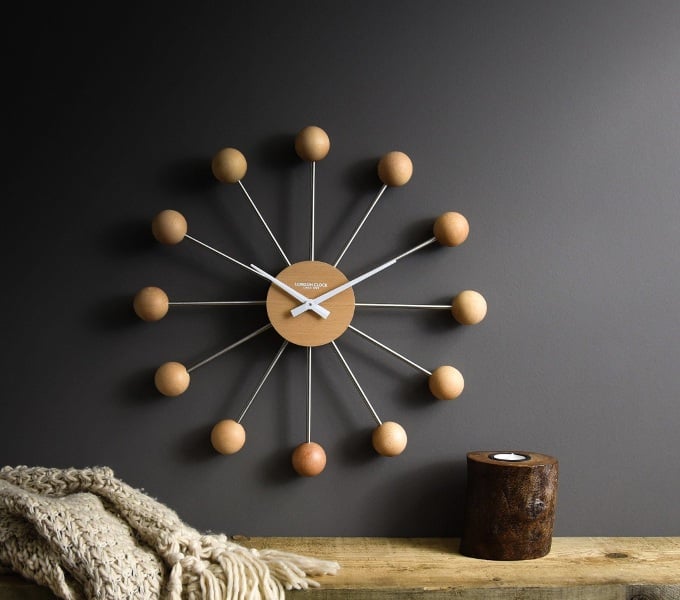
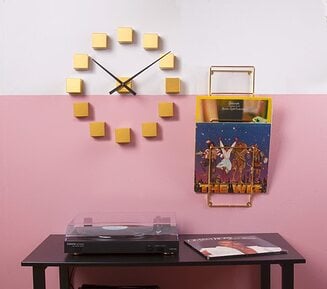
3D clocks are one of the most striking solutions that will add extra dimension to our walls. Innovative wall clocks make an impression in every room and attract attention with their unconventionality. Thanks to them, we feel as if we have travelled to the future!


A Wall Clock as a Gift for Minimalists
Minimalists often point out the unnecessary over-elaboration of form over substance. The number of embellishments and the variety of shapes are not important to them. The values they cherish are order, simplicity, neatness, and functionality. The main principle of this trend is 'less is more'. This has implications for apartment decor. It must be a place where minimalists will feel unconstrained by excessive pomp in the number and construction of decor elements. The forms that suit them are uncomplicated shapes, smooth surfaces, and a limited scale.
Minimalist wall clocks should be perfectly integrated elements of the space. They are often devoid of a classic dial, prompting reflection on the precise perception of time. These types of solutions are very popular – clocks that have only two hands. This symbolises the lightness of time and the triviality of the form to which it can be reduced. A minimalist clock will be a valuable gift for people who appreciate an ascetic style.
Clocks and Minimalism
The presented types of wall clocks show how much timepieces can differ. Their construction, shape, and decorative motif become a carrier of certain values and preferences of the owner. Among them, we find a reflection of every trend – minimalism, traditionalism, or modern forms. All wall clocks, however, share the fact that they are functional and enrich every interior, regardless of the style we prefer. Thanks to this, we should no longer have problems coming up with an idea for a valuable and personalised gift, especially if we've left it to the last minute... and time is ticking!