3D Wall Clocks
A 3D wall clock can first and foremost be considered an unconventional wall decoration, and only then a clock. While it tells time just as precisely as its traditional counterparts, it certainly grabs attention far more often. A 3D clock stands out with its original form, which deviates significantly from the look of classic, mostly flat clock faces. If someone wants their clock to be a distinctive design accent, they will definitely take notice of these three-dimensional pieces, which, due to their unique character, belong to the broader category of modern wall clocks.
50 products


3D Wall Clocks: An Unconventional Decoration for Your Interior
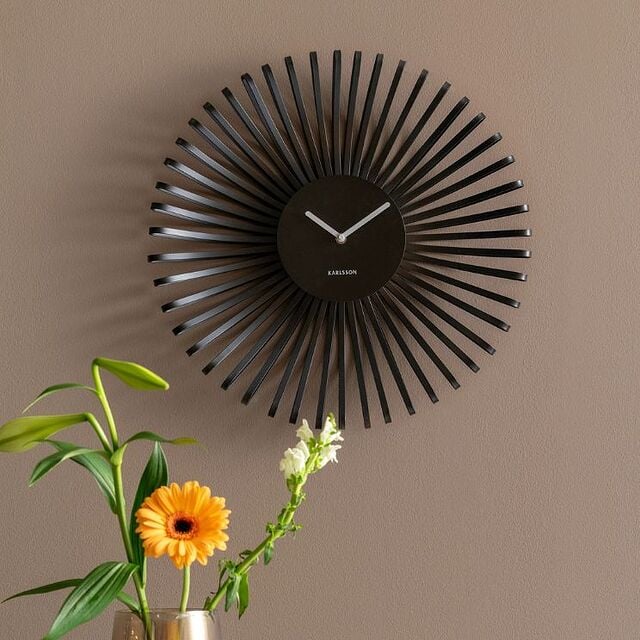
3D wall clocks are modern decorations that truly add depth to interiors. Their numbers, indices, or dial elements protrude beyond the wall's surface, creating a captivating three-dimensional effect that traditional, flat clocks simply can't match. While their primary function is, of course, telling time, 3D clocks also serve as stunning decorative pieces. This means one elegant item can effortlessly double as both a timepiece and a wall ornament. If you're looking to transform the character of a room with a single, striking accent, a 3D wall clock is a brilliant solution that perfectly marries practicality with cutting-edge design.
Types of 3D Wall Clocks
3D clocks come in a delightful array of shapes and colors. Their classification primarily hinges on the mounting method and the materials used. The combination of these two factors is what truly dictates their visual impact, durability, and how well they'll fit into your specific interior. Below are three main categories worth getting acquainted with.
1) Self-Adhesive 3D Clocks
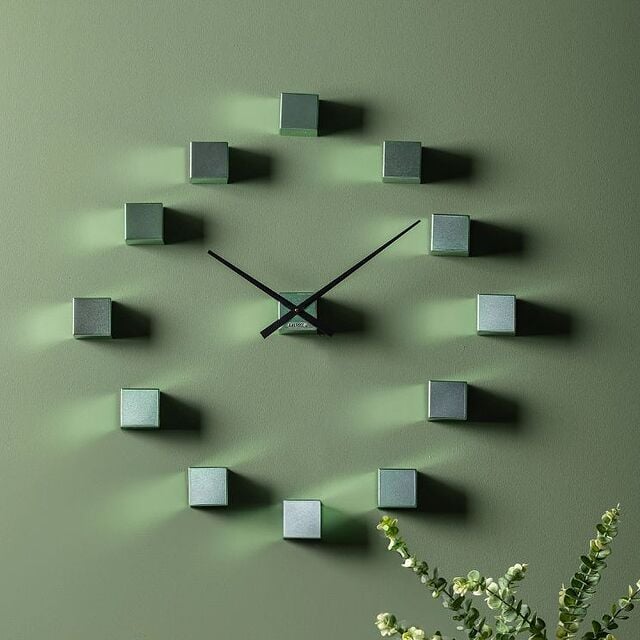
Some 3D clocks are designed to be adhered directly to the wall. These clever creations consist of a central mechanism with hands and separate, self-adhesive numbers or indices that you simply stick onto your chosen surface. Because the elements are mounted directly on the wall, you can achieve a truly grand clock (up to 130 cm in diameter!) without the need for a heavy dial or any drilling. These DIY-style clocks give you the freedom to arrange the elements yourself, offering full creative control over the final composition.
A modern wall clock of this type is an absolute dream for open, minimalist spaces – think above a sofa, a fireplace, or in the dining room. Thanks to their lightweight construction, installation is quick and straightforward, and the visual effect is nothing short of impressive, even on a large, otherwise empty wall.
2) Mirror 3D Clocks
Mirror 3D clocks are crafted from high-quality materials, most often glossy acrylic plexiglass or tempered glass, which beautifully reflects light and space. A mirrored 3D clock made from tempered glass not only ensures durability but also exudes an elegant, sophisticated look. Silver or mirrored finishes have a magical way of optically brightening interiors and can even visually enlarge a room, making it feel more expansive.
These models truly shine as clocks for the living room, hall, and corridor – essentially, anywhere you want to add a touch of depth and a burst of light. 3D clocks with mirrored elements look particularly stunning on monochromatic walls, where their reflective qualities can truly come into their own.
3) Wooden Clocks with a 3D Effect
Wooden 3D clocks are unique pieces, lovingly crafted from natural wood – with the finest versions boasting 100% natural oak. Each wooden 3D clock is a one-of-a-kind treasure, featuring distinct wood grains, meaning no two pieces will ever be exactly alike. Wood naturally brings warmth and an organic touch, and when combined with a modern, three-dimensional form, it creates an intriguing contrast between timeless tradition and contemporary flair.
This is the ideal solution for those who appreciate decorations with an organic character – wooden 3D clocks fit seamlessly into Scandinavian, Japandi, or minimalist arrangements. 3D clocks can also be made from MDF board, offering a lighter and more accessible alternative to solid wood without compromising on style.


What to Look For When Choosing a 3D Wall Clock – Practical Considerations
Mounting Method
The differences between self-adhesive and traditionally mounted clocks have practical implications that are worth considering. Stick-on models require a clean, smooth surface – smooth paint, wallpaper, or plaster without any roughness works best. Heavier clocks made of metal or solid wood, on the other hand, demand sturdy mounts, anchors, or screws. It's always a good idea to pay attention to your wall type – on plasterboard walls, for instance, a lack of appropriate anchors can prevent the safe installation of heavier models.
Size and Proportions
3D clocks can come in large sizes, ranging **from 50 cm to 130 cm in diameter**, making them an exceptionally flexible decorative element. The size of your chosen clock should always harmonize with the wall surface and other furnishings. A grander model will undoubtedly make a statement above a large sofa, while in a smaller room, a more subtle clock will ensure the space doesn't feel overwhelmed. Three-dimensional clock faces truly shine when placed at eye level, a detail worth keeping in mind when planning your layout.
Mechanism and Noise Level
3D clocks feature precise quartz movements, typically powered by an AA battery, with analog hands. The key difference often lies in the noise level: classic mechanisms produce a distinct ticking sound, whereas models with 'silent sweep' technology offer a quiet mechanism with a smooth, continuous second-hand movement. If you're looking for a clock that operates quietly, ideal for bedrooms, make sure to choose one explicitly marked 'silent' or 'super quiet'. In a bustling living room or office, a gentle tick might be perfectly acceptable, but in a bedroom or study, a silent mechanism is an absolute must for undisturbed peace.
Material
3D clocks are crafted from a variety of materials, including metal, EVA foam, and wood. Some 3D clocks are also made from tempered glass. Each material brings different properties to the table:
Plexiglass (acrylic) – lightweight, shatter-resistant (approximately 6 times more so than regular glass), and available in matte, glossy, and mirrored versions. Potential downsides can include susceptibility to scratches and yellowing under direct sunlight.
Wood – offers a natural, warm appearance, but is sensitive to moisture. It requires periodic maintenance with oils or varnishes to keep it looking its best.
Metal – durable and raw in its expression, though typically heavier. A powder coating helps protect it against corrosion, ensuring longevity.
Rest assured, 3D clocks are made from high-quality materials, and their durability largely depends on proper maintenance and the environmental conditions of the room.
How to Choose the Perfect Modern 3D Wall Clock
Interior Style – popular 3D clock styles include minimalist, industrial, and artistic. A white 3D clock is incredibly versatile, suiting almost any interior and creating a striking contrast on dark walls. Gold clocks are a perfect fit for glamour arrangements, while white clocks beautifully complement darker wall shades. The trick is to match the color and form of the clock to your aesthetic preferences and the dominant palette of your room.
Room Function – in the living room, a 3D clock can easily become the main decorative focal point, drawing the eye and sparking conversation. 3D clocks are often used as a central decorative element in communal spaces like the living room or dining room. For the bedroom, opt for a model with a silent mechanism and a subdued finish to promote tranquility. In the kitchen, prioritize materials that are easy to clean, and in the office, go for a distinctive design with excellent readability.
Space Size – 3D clocks truly come alive in modern, open spaces. On a large, empty wall, a grand model will naturally become the centerpiece of the composition. In a smaller interior, however, more compact forms will work better to avoid visual clutter and maintain a sense of spaciousness.
Lighting – both natural and artificial light play a significant role in how the 3D effect is perceived. Mirrored elements beautifully catch the light, but if positioned incorrectly, they can reflect sunlight in a way that might be annoying. A 3D clock can be a stunning decoration in minimalist interiors, where the interplay of light and shadow exquisitely highlights its three-dimensional structure.
3D Wall Clocks: Frequently Asked Questions
What interiors are 3D wall clocks not suitable for?
3D clocks might not blend seamlessly into very small spaces where walls are already brimming with decorations – a lack of free surface can quickly lead to visual chaos. In distinctly retro, baroque, or classical styles with heavy ornamentation, a geometric 3D clock might look completely out of place. High-humidity interiors – such as bathrooms or saunas – are also not ideal environments: wood and MDF can deform, and plexiglass can yellow due to prolonged exposure to steam.
How do I mount a self-adhesive 3D clock?
First things first, prepare your wall – the surface should be clean, dry, and perfectly smooth. Next, measure and mark the precise position for the central mechanism and each individual number or index (ideally at eye level). Carefully remove the protective film from the self-adhesive elements and stick them according to your planned layout. The clock usually comes with a handy template or clear instructions to make element placement a breeze. Before committing, always ensure the adhesive adheres well to your specific wall type.
Can a 3D wall clock be mounted on any wall?
Not on every wall, unfortunately. Self-adhesive models demand a smooth, non-porous surface – a wall with raw brick, a thick plaster texture, or wallpaper with a distinct pattern might prevent the elements from adhering permanently. Heavier clocks made of metal or wood require a solid base and appropriate anchors – for plasterboard walls, it's always advisable to use special fixings designed for that material. Generally, 3D clocks look their best on monochromatic walls, where their three-dimensional form can truly stand out and be clearly showcased.
How to care for your 3D wall clock?
Maintenance largely depends on the material your clock is made from. For plexiglass, clean it with a soft microfiber cloth – steer clear of harsh chemicals that could scratch or dull the surface. Wooden clocks should be periodically impregnated with oil or varnish and protected from direct contact with moisture. Regularly dust metal elements and, in high-humidity rooms, take steps to protect them from rust. With proper care, your 3D wall clock will maintain its aesthetic appeal and keep ticking beautifully for many years to come.
Summary
A 3D wall clock is a delightful blend of everyday functionality and decorative flair – a single element that can truly add a new dimension to your interior (quite literally!). When making your choice, pay close attention to the material, mounting method, size, and the noise level of the mechanism. Most importantly, ensure the clock perfectly matches the style and size of your room. 3D clocks are available in a vast array of designs and colors, so no matter your aesthetic preferences, you're sure to find a model that will become a striking and unforgettable accent on your wall.