Sometimes we think that meal planning is a time-consuming activity. In reality, however, it saves a lot of time and money, and it also ensures that the contents of your fridge end up where they should – in your tummy :) The task seems complicated, but that's what the FormAdore Magazine editorial team is here for! We explain step-by-step how to take control of your menu to feed your wallet and save time.
Planning = Saving
How is that possible? You might think that when you cook spontaneously with what you have in the fridge, you save time – after all, you’re not spending it making plans. However, it's quite the opposite! How does preparing your menu in advance save you time?
- You don't waste time frantically searching for a recipe to use what you have in the fridge – when you walk into the kitchen, you know exactly what you need to cook and can get straight to work.
- You don't have to rush to the shop because you've run out of eggs or pasta – they're already waiting for you in the fridge because you bought them earlier.
- You shop less often and for shorter periods – you have a list of all the ingredients you need, so you can do your shopping in one go. In the shop, you only pick up what you've already planned, so you're not wandering aimlessly down the aisles hoping the sight of products will spark an idea for a dish.
Additionally, you're also looking after your wallet and the environment: you're not throwing food in the bin and not buying unnecessary items. Sounds good? And it's simpler than it seems, it just requires a bit of practice and preparation!


First things first: create a base
You already know it's definitely worth it, but... how do you start? As always: by thinking about it  Ask yourself these questions:
- How many people will you be planning meals for? Just for yourself? For children? For you and your partner? Cooking for more people requires taking their preferences into account, but it also has its perks: you can split tasks among those involved.
- How much time do you have for cooking? If you've got a lot on your plate, don't write out a complicated menu, or you'll quickly lose heart. Consider your realistic capabilities.
- Do you want to eat something different every day or are you fine with eating the same dinner for two days? Do you prefer to set aside a moment for kitchen duties every day or do it once every few days, but cook for longer?
- Do you regularly eat out? Do the children have school dinners? Determine which meals need to be planned and which are not on your plate.
- Do you like experimenting in the kitchen or do you prefer tried and tested dishes? Choose how often you'll try something new.
If you already know the answers to all these questions, it's time to get down to business! From personal experience, I recommend starting with creating a weekly plan – who knows, maybe in time you'll manage to outline a menu even for a month? To begin with, however, it's better to set smaller goals, and a weekly plan is easier to keep in check.
The first step is to create a basic database of your favourite recipes. Write down your meals and add your/your family's favourites. Just 15 items for breakfast or dinner, and 20-30 for lunch, will be enough to create many diverse menus based solely on your database! Mark those that are genuinely quick and easy to prepare. They'll be perfect for when you're particularly busy.


Secondly: stock up
Now, take a peek at your list. Do many of your favourite dishes require eggs? Do you love sun-dried tomatoes, or perhaps you can't imagine a home without pasta or chickpeas? Create a list of those ingredients that always come in handy and should be in the house, come what may. What might feature on this list?
- Dry goods: grains, pasta, rice, flour
- Jars of preserves, pesto, sun-dried tomatoes, olives, and other pickled vegetables
- Canned ingredients, e.g., sweetcorn, beans, chickpeas, tuna
- Frozen foods – vegetables, fruits, or meat
- Fresh produce that needs regular replenishment, such as eggs or milk
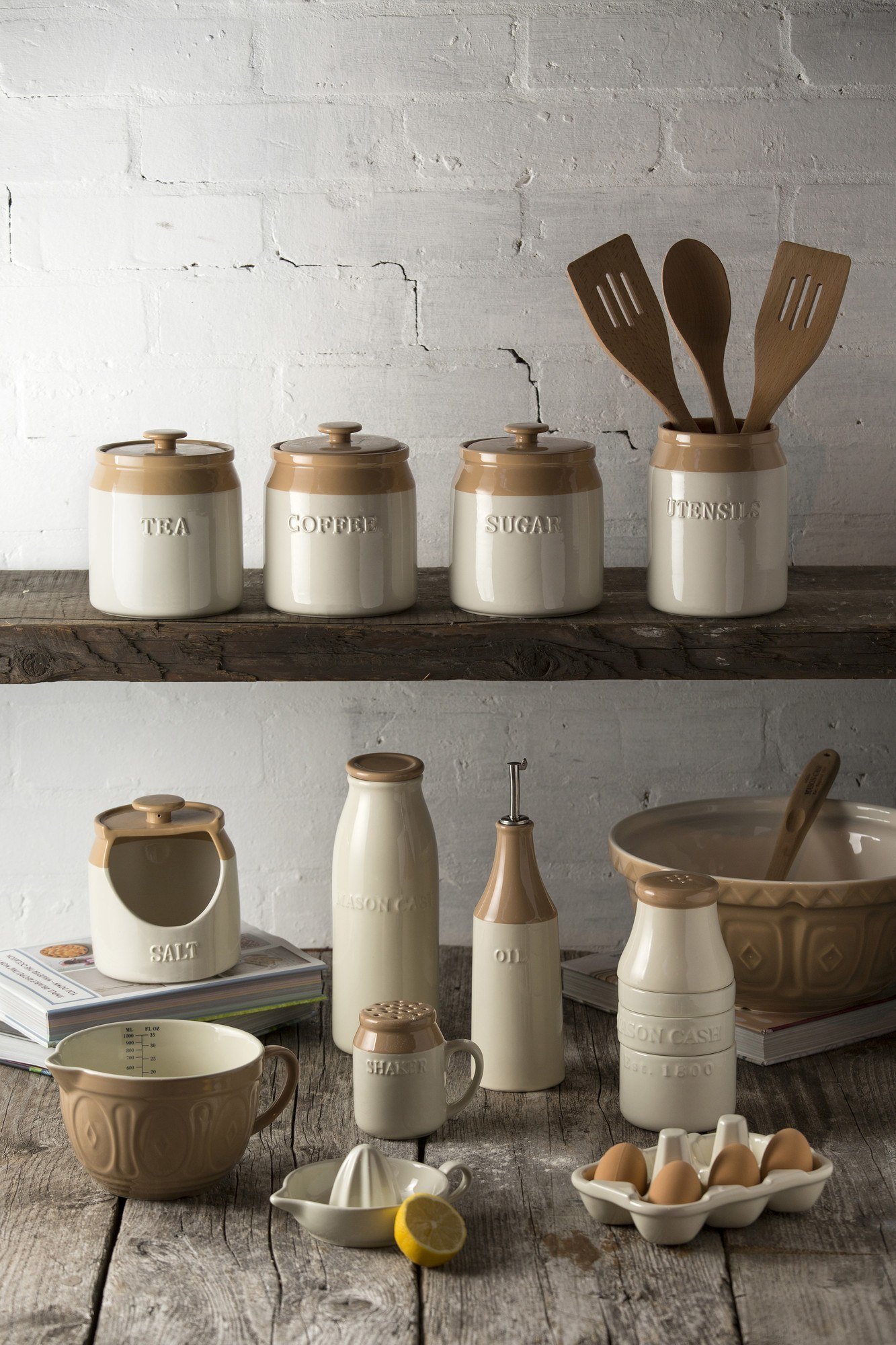
Equip yourself with appropriate kitchen containers for storage to maintain the freshness of ingredients for as long as possible. Update the list with each shopping trip, ensuring that you always have a supply of these items in your kitchen.
Our tip


Thirdly: time for the plan
Once you have your base, putting together a plan is as easy as pie! It's worth investing in a good planner or notebook to help you organise all your meals and related affairs. It's best to discuss menu planning with an example. So, let's assume you cook only for yourself every other day, you're making a weekly plan, you eat 4 meals a day, and you have lunch out at least once a week. That leaves you with... just 3 dinner recipes to choose, plus breakfasts, suppers, and snacks. Doesn't sound too bad, does it? You can either stick to your existing base or, for example, add a new recipe to try once a week.
Draw up a shopping list for your plan; this will help you avoid impulsive, unnecessary purchases. Also, take your weekly schedule into account – when you're back late and don't have the energy for a long cook, and when you have a free evening to spend an hour in the kitchen. A quick glance at your calendar when making your plan will also come in handy if you want to save even more precious time: let's say you're cooking dinner today, and tomorrow you've planned a pasta salad for supper. While preparing dinner, you can also boil the pasta, saving yourself effort the next day.


Fourthly: go shopping
Once you have a list of all the groceries you need for the week, you can do a big shop once a week – online, for example. During the week, all you'll have to do is pick up fresh bread or fruit and veg as you go. Have a look around your work or home area for a small, good bakery and a market stall. You'll find healthier and tastier products there than in the supermarket! It's worth taking your own shopping bag with you to generate less waste, and incidentally, still look chic – even with chives poking out of your bag  If you're short on space in your handbag or backpack, opt for, say, LOQI bags, which roll up into a small ball and fit into your pocket when you don't need them.


Fifthly: pack it up properly
When you're planning your meals, remember that not all of them will be eaten at home. Analyse your daily schedule and check how many meals fall during the time you're at work or university. If it's more than one, choose a lunchbox with tiers that allow you to separate different dishes. Fans of soups or sauces should get a container that is 100% leak-proof. Don't have a way to heat your food when you're out and about? Reach for a high-quality food thermos that will keep your meal piping hot for even a whole day. We've written more about how to choose the ideal box for yourself in the Magazine: Which lunchbox to choose for work and school?

$56.59
Adventure Thermos 0,53 l for dinner with cutlery
Stanley
This product is temporarily unavailable

Sixthly: cook ahead
If you're short on time during the week, you can cook several days, or even a week, in advance! Leftovers or meals prepared for the coming week can be frozen. It's always a good idea to have a few spare dinners in the freezer for those times when cooking is the last thing on your mind. We've gathered everything you need to know about freezing food for you in the Magazine: How to freeze food? Proven methods. Plastic kitchen containers and jars are brilliant for freezing, while choosing the right food storage containers for the fridge will help you keep them fresh for longer. Vegetables and fruits, in turn, will stay in great shape for longer if you put them in a container with a carbon filter. To maintain the freshness of ready meals stored in the fridge for as long as possible, take care of a few things:
- Only seal containers when the dish has completely cooled down, otherwise the steaming water vapour will condense on the lid and drip onto the dish, which speeds up its spoilage.
- After cooking, divide the food into smaller portions or move it to a cooler place to cool down faster – do not keep food out of the fridge for longer than 2-3 hours after cooking.
- Use fresh, thoroughly washed products.
- Only reheat the portion you are able to eat – reheating a dish and putting it back in the fridge will cause the food to spoil faster.

You now know everything you need to get stuck into your first (and definitely not your last) meal plan. Don't throw in the towel too quickly – to be able to save time through excellent organisation, you often have to dedicate a bit of… time to it first :) Good luck!