Frozen food is a popular, healthy and age-old method of preserving, storing and warehousing food. You can freeze not only vegetables, fruits and meat, but also bread and many ready meals. In order for frozen food to retain its valuable nutritional properties, as well as its taste and aroma, you need to know how to freeze and thaw individual food products, as well as which of them are not suitable for freezing. You will learn all this in our Magazine today. Happy reading!
Advantages of freezing food
Freezing...
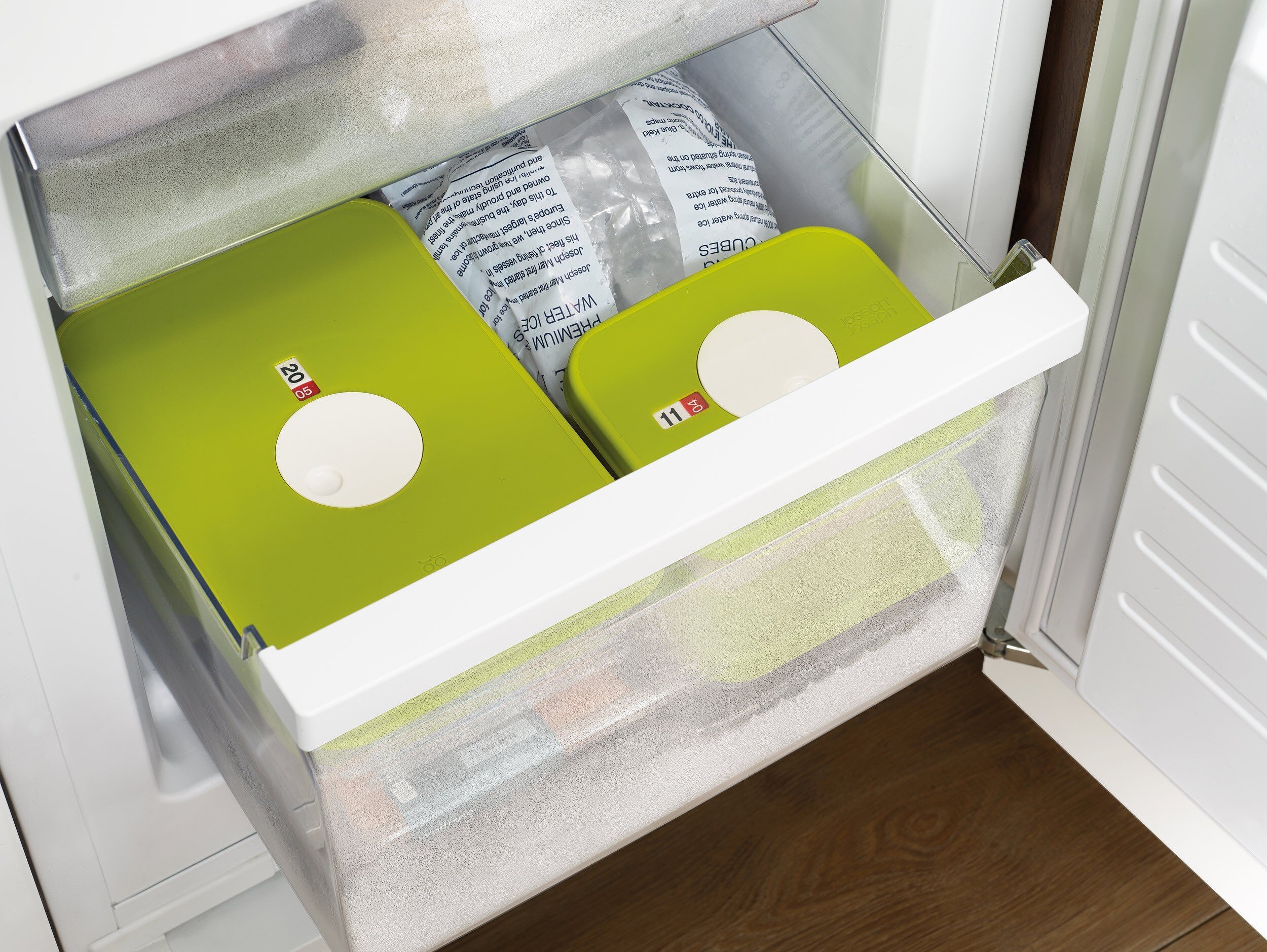
which is a procedure that preserves food by rapidly cooling it, is a very healthy way of food preservation, slowing down the spoilage process and preventing the multiplication of microorganisms. It should be emphasised that freezing allows food to retain nutritional value and physical properties similar to fresh products. Only 10 to 30 percent of nutritional values are lost, which is a truly negligible percentage compared to how much we lose, for example, during cooking or frying. However, it must be remembered that frozen food should be stored at around -18 degrees Celsius and in appropriate, tightly closed containers. Only then will the food retain its valuable properties and excellent taste.
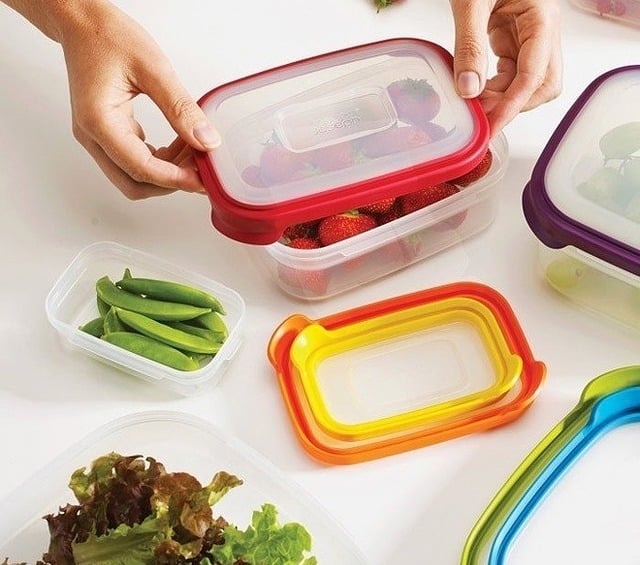


Key benefits of freezing
There is no doubt that preparing frozen food is easy and saves us a lot of time. It is definitely more convenient to go to the shop once a week, buy meat and freeze it, than to waste time on daily shopping.
Of course, freezing is also a great way to keep products fresh for longer, and thus - reduce food waste. Instead of throwing away leftover food from dinner, it's better to freeze it and eat it another time.
Frozen fruits and vegetables will also allow us to feel a bit of summer in the middle of winter. Thanks to frozen food, you can enjoy the taste of seasonal vegetables and fruits all year round. If in January you fancy broad beans with butter and dill or strawberry cake, just reach for the freezer supplies.

Freezing vegetables, fruits and herbs? It's simpler than you think!
In order for fruits and vegetables to retain their valuable nutritional properties, as well as their taste and texture, they need to be properly prepared before freezing. First of all, collected or purchased products must be thoroughly inspected. Mouldy, spoiled or bruised fruits are not suitable for freezing. Then wash and thoroughly dry the vegetables and fruits.
In addition, most vegetables require blanching before freezing, which involves immersing them in boiling water for about 1 minute or pouring boiling water over them, and then cooling them for several minutes in ice water. Thanks to this, frozen vegetables retain their colour and aroma, but are also easier to process after thawing. Vegetables that need to be blanched are: carrots, leeks, spinach, kale, broccoli, cauliflower, green beans and peas. On the other hand, peppers, mushrooms, courgettes, broad beans and garlic do not require blanching.
And how to freeze mushrooms and are all their species suitable for this? Bay boletes, porcini, slippery jacks, brown birch boletes, chanterelles, saffron milk caps and parasol mushrooms, i.e., mushrooms with compact flesh, can be frozen, but before freezing, they should be cut into smaller pieces and also blanched.
Only vegetables require blanching. Fruits are ready for freezing immediately after preparation. What fruits can be frozen? Raspberries, strawberries, blackberries, blueberries, cherries, grapes, gooseberries, currants, wild strawberries, sweet cherries, as well as apricots, peaches, nectarines, plums, pears and apples, but also bananas, which after thawing are worth using to prepare a smoothie or dessert.
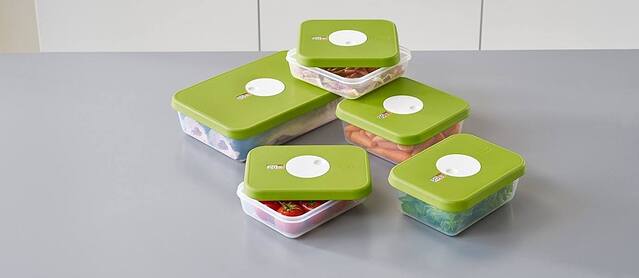

How to freeze vegetables and fruits?
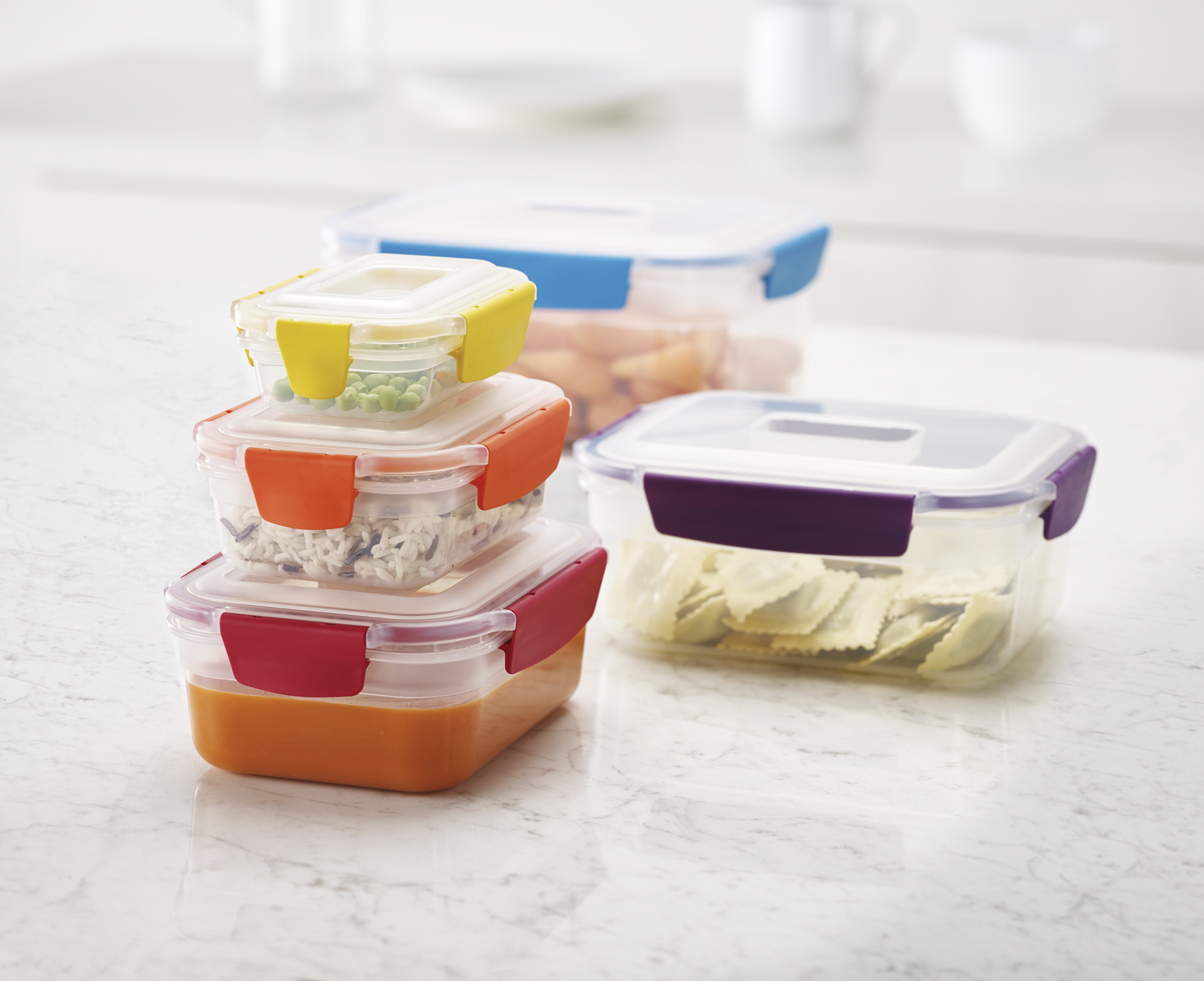
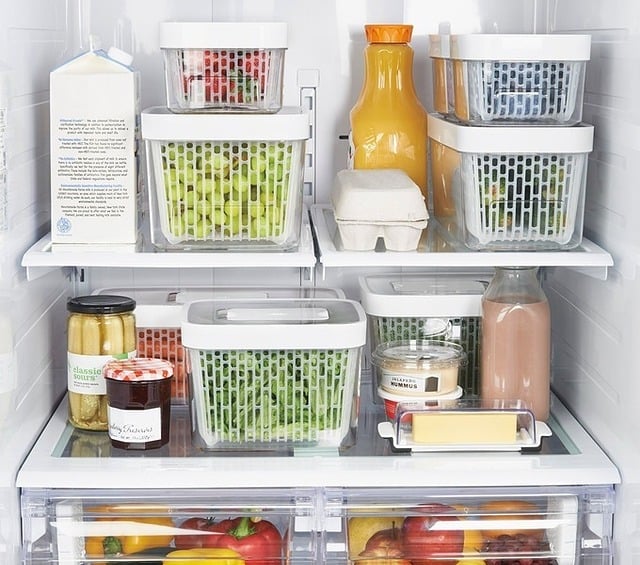
Small pieces can be frozen whole, while larger ones should be cut into smaller pieces. To prevent small fruits, such as raspberries or blueberries, from sticking together, it is worth arranging them on trays first, and only after complete freezing, transfer them to a plastic or glass food container. Vegetables and other fruits should also be frozen in special, low-temperature resistant, airtight containers. Few people know that vegetables and fruits, as well as chopped herbs, e.g. parsley or dill, can be frozen in widely available and cheap jars. However, it should be remembered that the products should be thoroughly dried before putting them into the jar - so that after freezing they are loose, not stuck together in one lump.
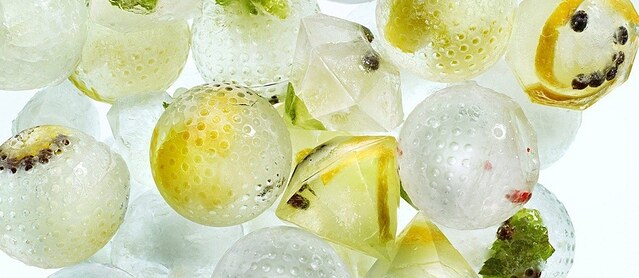
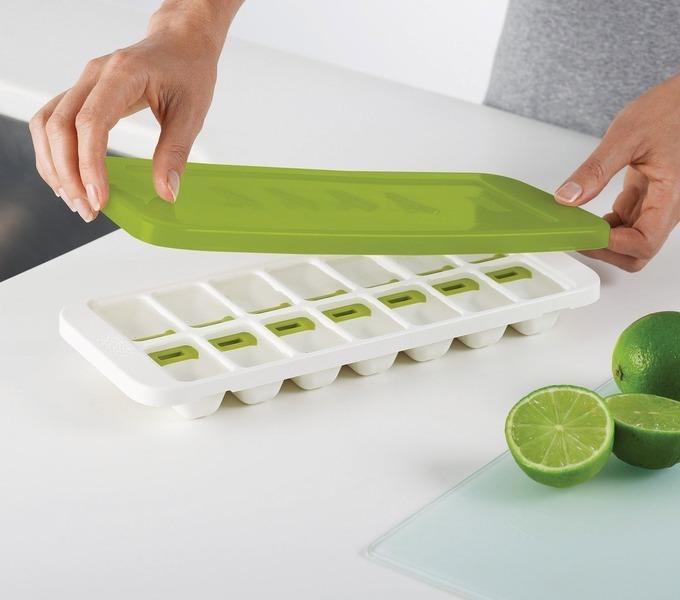
If you're wondering how to freeze spinach or kale - we have a great tip for you. Use ice cube trays for this! These are very practical accessories that, contrary to appearances, are not only used to freeze water. Just blend the mentioned vegetables into a smooth puree, and then transfer them to the moulds. You can also do the same with other vegetables and fruits.
Tip

How to freeze meat?
Freezing meat...
Freezing meat is a great way to extend its shelf life. What kind of meat can be frozen? Any, but it should be remembered that meat must be properly prepared before freezing. Most of the packaging in which it is sold is not suitable for freezing. The tray and thin film are susceptible to damage, and therefore do not sufficiently protect the meat, which may affect its quality. Therefore, after purchase, first of all, remove the meat from the factory packaging, clean it and divide it into smaller pieces, so that we only thaw the portion we need. In addition, smaller pieces will thaw faster. Then, each portion is recommended to be wrapped in special foil or freezer paper to prevent the individual pieces from sticking together. Only then, transfer the prepared meat to airtight and moisture-proof containers designed for the refrigerator and freezer. Remember also to label the container with meat prepared for freezing. It should contain information about the freezing date, type of meat and its weight.


Freezing ready meals
There are many types of ready meals and dishes that can be successfully frozen. Freezing works perfectly for soups, various stews and other semi-liquid dishes, although it is recommended to freeze such dishes without prior thickening and seasoning. This process can also be applied to goulash and bigos, which can even gain flavour thanks to this treatment.
How to freeze dumplings, kopytka, Silesian dumplings or pasties? These products should be placed on a tray at small intervals to prevent them from sticking together, covered with foil and put in the freezer for about an hour. When the products are slightly frozen, transfer them to an appropriate dish. It is worth adding that you can freeze both cooked and raw dumplings.
What other dishes can be frozen?
Cutlets, croquettes, pancakes, roasted meats, fish and pizza bases or already baked homemade pizzas, as well as puff pastry or shortcrust pastry. But that's not all! We can put most baked goods in the freezer, such as cheesecakes, bundt cakes or sponge cakes. In addition, any type of bread can be frozen - both bread loaves and rolls. However, before freezing, it is worth slicing the bread and interleaving each slice with freezer paper to avoid sticking.
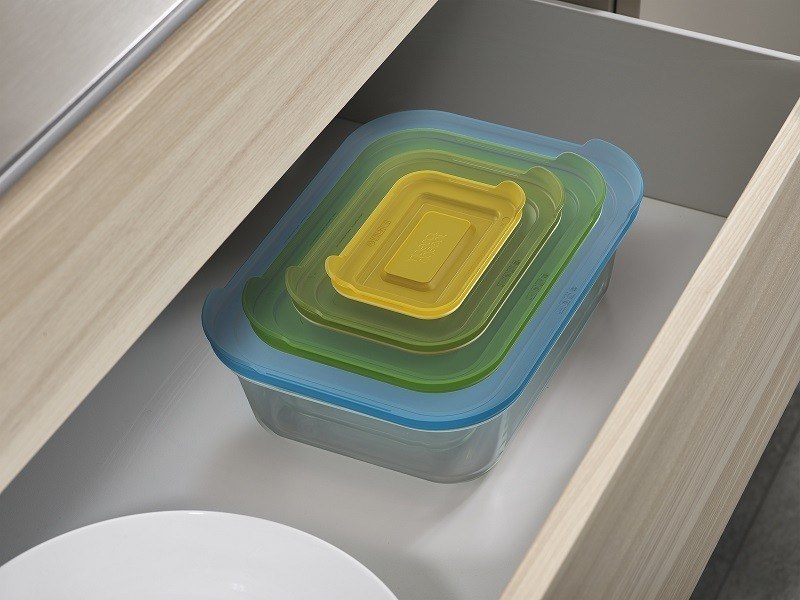
All ready meals should be portioned and transferred to special glass or plastic containers for storing food in the refrigerator and freezer. However, it should be remembered that liquid and semi-liquid dishes should be poured to about rac{3}{4} of the container or jar's height, because frozen liquid always increases its volume.

$77.72
Nest Glass Storage Kitchen containers 4 pcs
Joseph Joseph
This product is temporarily unavailable
Ideas and inspirations
Which products should not be frozen?
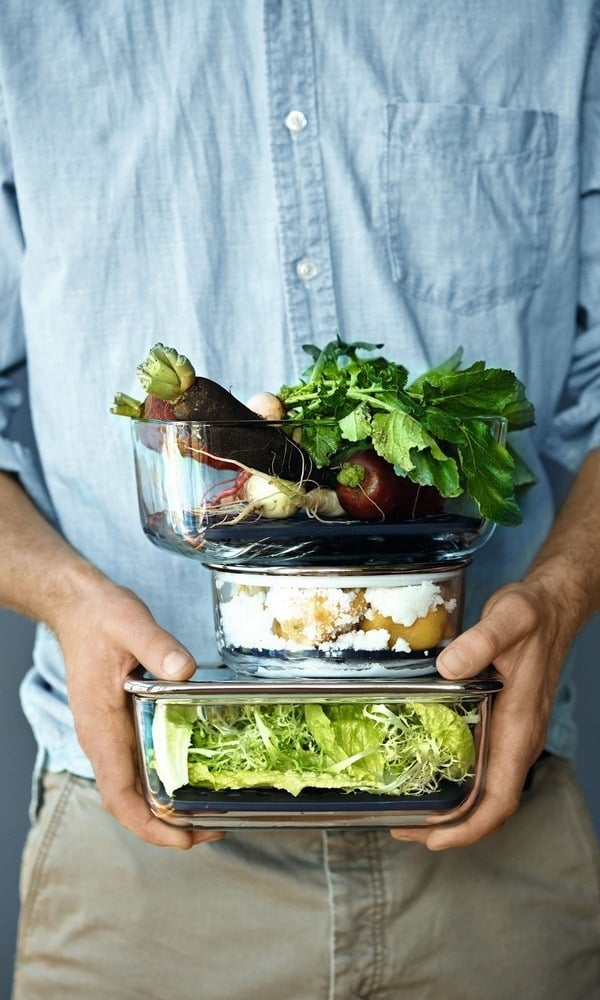
It is worth knowing that there is a certain group of food products that should not be frozen. Vegetables and fruits containing large amounts of water should not be placed in the freezer. The ice crystals formed during freezing cause the fruits to lose their firmness and crispness, and after thawing, they simply fall apart. Juice also leaks from them, which significantly reduces the nutritional value of such vegetables and fruits. Therefore, vegetables that we should not freeze are: tomatoes, lettuce, cabbage, cucumbers, radishes and celery stalks. Among the fruits not suitable for freezing are: oranges, grapefruits, limes, lemons, watermelon, melon, kiwi, apples and grapes.
Products such as yoghurts, milk or soft cheeses, e.g. ricotta or mascarpone, as well as cream and mayonnaise, are also not suitable for freezing. Such products stored at temperatures below 0 degrees Celsius freeze very strongly, and after thawing they delaminate and lose their creamy and velvety consistency.



Remember!
There is one more group of products that we should not freeze, and that includes cooked potatoes, pasta and rice. Why? Because cooked and frozen starchy products are not suitable for consumption after being removed from the freezer. They become soft and look and taste as if they were very overcooked.
Freezing previously thawed products - is it allowed?
It is worth knowing that it is absolutely forbidden to re-freeze products that have already been thawed in the same form, because the bacteria contained in them do not die during freezing, they are only dormant. During thawing, microorganisms wake up and begin to multiply rapidly. For this reason, re-freezing and re-thawing a given product leads to the accumulation of even more bacteria harmful to health. An exception is re-freezing food that has been subjected to heat treatment. High temperature kills bacteria, so they are no longer a threat.
It is also forbidden to freeze hot products - this could lead to damage to the freezer.
Methods of thawing food
It is indicated that the best and safest way to thaw food, but also the most time-consuming, is to place the frozen product on the lowest shelf in the refrigerator. Thanks to this, the thawing process will proceed slowly, and no microorganisms will accumulate in the product. Food should be thawed in airtight containers, so that water and juices released from them do not spill over other products in the refrigerator.
A good and faster way is to thaw meat and other food products in cold water. In this case, place the meat in a container or bag in a pot filled with water, and the liquid should be changed every 20-30 minutes.
Thawing in the microwave is also a good idea. Frozen products can be placed in the appliance in the same container in which we froze the food, because most such dishes are also designed for use in microwave ovens. All kinds of cutlets, croquettes, pancakes, goulash, soups or bigos tolerate this method of thawing exceptionally well.
On the other hand, cakes, as well as bread, can be thawed at room temperature. However, if you don't have time to thaw bread in this way, you can successfully put frozen rolls or slices of bread into the oven.



How to thaw vegetables and fruits?
If you want to heat-treat a given vegetable or fruit, immediately after removing it from the freezer, throw it into hot water. However, if you do not want to process them at high temperatures, it is better to thaw them in the refrigerator than at room temperature. Thanks to this, you will prevent the development of mould and fungi, and also minimise vitamin C losses.
On the other hand, frozen goulash, soup or other semi-liquid dishes can be put into a pot and heated over low heat to thaw them. Whereas frozen dumplings or kopytka just need to be thrown into salted boiling water.
Check it out!
Freezing is a convenient and healthy way to preserve and store food, which saves a lot of time and reduces food waste. All you need to do is follow a few basic rules, and frozen products and dishes will not lose their nutritional values and consistency, and after thawing they will still be aromatic and delicious.