Watering Cans


Trends, new products and ideas.


Garden Watering Cans – FormAdore's Guide to Functional and Decorative Watering Cans
A watering can is an indispensable tool for every plant enthusiast – whether you have a few pots on your windowsill, a lush balcony bursting with greenery, or a backyard garden with vibrant flower beds. In this guide, you'll find everything you need to know to choose the perfect watering can for your home, patio, and garden, blending aesthetics with the convenience of daily use.
Modern garden watering cans are no longer just practical tools for pouring water – they are fully-fledged interior design elements that can proudly stand in your living room, by patio doors, or on an open shelf. Our assortment features a wide range of models: from classic metal constructions to lightweight plastic watering cans, and even designer forms with removable roses. Each has its unique application and character.
A well-chosen watering can ensures that daily plant care transforms from a chore into a genuine pleasure. Precise watering protects delicate shoots from damage, prevents water spills on furniture or floors, and allows you to reach plants in hard-to-access spots.
Types of Garden Watering Cans – From Classic Metal to Modern Synthetics
Choosing the right watering can begins with understanding the materials and constructions available on the market. Each type has its advantages and limitations – the key is to match it to your specific needs.
Metal Watering Can – Durability for Years
Watering cans made of metal, most often galvanized or powder-coated steel, are a classic in any garden. They are resistant to mechanical damage and exceptionally durable – with proper care, they can serve you for many seasons.
Typical capacities for metal models range from 8–15 liters, making them an ideal choice for larger outdoor spaces. However, it's worth remembering that steel requires protection against corrosion – regular inspection of the protective coating and avoiding leaving water inside will extend the life of such a watering can.
Durable Plastic Watering Cans – Lightweight and Versatile
Watering cans made of plastic, most commonly polypropylene, win hearts with their low weight and resistance to weather conditions. Modern plastics are also UV-resistant, so they won't fade in the sun throughout the season.
Popular capacities for home use are 1–5 liters. Lightweight models can be easily moved between rooms, to the balcony, or the patio. The regular price of such watering cans is usually lower than their metal counterparts, making them a great choice for beginners.
Designer Watering Cans – Where Functionality Meets Aesthetics
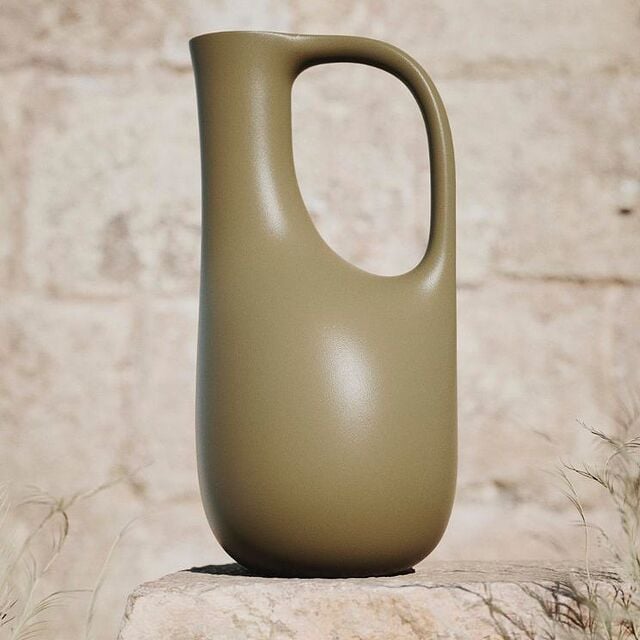
In FormAdore's offer, you'll find watering cans that combine practicality with modern design. Sleek silhouettes, minimalist forms, matte finishes, and trendy colors – bottle green, beige, terracotta, or classic black – ensure that these accessories can proudly stand on display as decorative elements.
When to choose a specific material?
| Material | Best Use | Advantages | Disadvantages |
|---|---|---|---|
| Galvanized Steel | Large garden, flower beds | Durability, resistance | Weight, risk of corrosion |
| Plastic | Balcony, home, patio | Lightweight, low price | Less durable |
| Premium Design | Interiors, visible spots | Aesthetics, functionality | Higher price |
Watering Can Capacity – How to Match Liters to Your Home, Balcony, and Garden?
The capacity of your watering can determines how often you'll need to refill it and how comfortably you'll work. Too small means constant trips to the tap; too large means difficulty in carrying.
Watering Cans up to 1 Liter – Precision for Houseplants
The smallest models, with a capacity of 0.7–1 liter, are ideal for cacti, succulents, and herbs on your kitchen windowsill. They allow for precise watering of individual pots without the risk of overwatering. Their operation resembles laboratory accuracy – every drop lands exactly where it should.
Watering Cans 2–5 Liters – The Sweet Spot for Balconies and Patios
This is the most popular category for owners of balconies and small patios. A capacity of 3–5 liters is sufficient to water several pots without frequent refilling, and the weight remains at an acceptable level. Most people can easily handle such a watering can with one hand.
Watering Cans 8–15 Liters – For Ambitious Gardeners
Large garden watering cans with a capacity of 10–15 liters are the choice for those with flower beds, vegetable patches, and extensive gardens. They allow you to water larger areas without constantly running back to the tap.
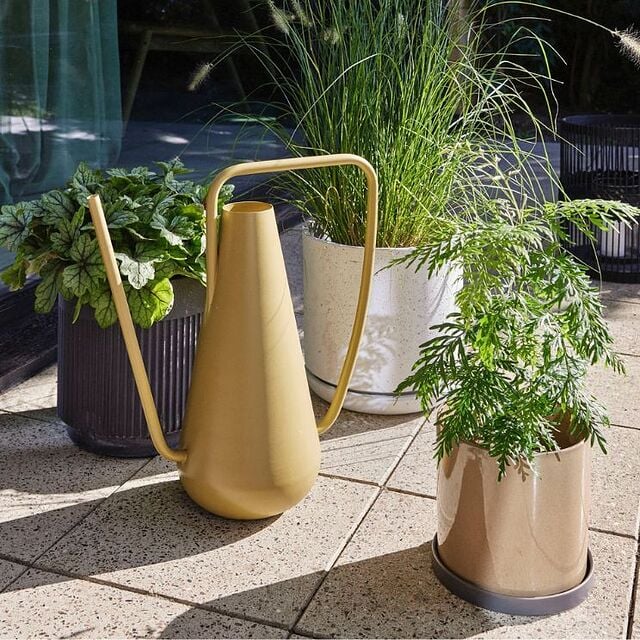
However, keep in mind that a 10-liter watering can filled with water weighs about 10 kg. For older individuals or those with less strength, a model with a double handle or simply a smaller capacity that can be refilled more quickly might be a better solution.
Practical tip: It's worth having at least two watering cans at home – a small, aesthetic one for indoors and a larger, workhorse one for the balcony or garden.
Construction and Details: Rose, Spout, Handles – What Really Makes Watering Easier?
The comfort of watering flowers is determined not only by the material and capacity but, most importantly, by thoughtful design. Small details make a huge difference in daily use.
Rose – A Gentle Shower for Young Plants
A rose-type nozzle (also called a sprinkler head) disperses the water stream into fine droplets, creating a mist effect. This is an ideal solution for:
Young seedlings and propagations
Delicate flowers with fragile stems
Plants with shallow root systems
Some models offered in our store have a screw-on or removable rose, allowing you to change the nature of the stream – from a gentle shower to a stronger, targeted stream from an open spout.
Spout – Access to Tricky Spots
A long, narrow spout makes it easier to water plants on high shelves, in hanging pots, or in densely planted balcony boxes. Shorter and wider spouts work better when you need to water a larger number of pots and planters more quickly.
Handles – Ergonomics for Everyday Use
In larger models, a combination of a top and side handle provides comfort. This allows you to hold the watering can with two hands at your side, reducing wrist strain and facilitating precise water dispensing.


Watering Can at Home and in the Garden – How to Tackle All Your Plants with One Watering Can?
Different locations present different tasks for watering cans. Watering houseplants requires a different approach than working in the garden.
Indoors – Precision and Aesthetics
Watering potted plants in the living room, kitchen, or bedroom primarily requires precision. Small and medium watering cans (1–3 L) with a long spout allow you to reach every pot without the risk of spilling water on the floor or furniture. Aesthetic models can stand on the windowsill next to your plants, always at hand.
On the Balcony and Patio – The Perfect Balance of Weight and Capacity
Watering cans of 3–5 liters are the optimal choice for a balcony. They are large enough to water balcony boxes and pots, yet light enough that carrying them won't be a problem.
In the Garden – Efficiency Above All
Larger watering cans (8–15 L) are perfect for flower beds, vegetable patches, and shrubs. One fill is enough to water a larger area, saving you time and energy.
Important tip: It's wise to dedicate a separate watering can, or clearly mark one, for mixing liquid fertilizers and plant nutrients. This way, you'll avoid accidentally over-dosing delicate plants.
Remember to store it properly too – empty the watering can after each use and keep it in a dry place. Metal models should not be left with water in freezing temperatures.
Watering Can Design and Aesthetics – A Decorative Accent in FormAdore Style
At FormAdore, we believe that everyday objects can be both functional and beautiful. A watering can is a perfect example – it can serve as a decorative piece even when not in use.
Design Trends 2026/2027
Contemporary watering cans feature:
Minimalist forms – simple lines, no unnecessary embellishments
Geometric silhouettes – slender spouts, distinct shapes
Matte finishes – an elegant alternative to shine
Earth tones – beiges, terracotta, olive, bottle green
Classic black and white – timeless choices
How to Choose a Watering Can to Match Your Interior Style?
| Interior Style | Recommended Watering Can |
|---|---|
| Scandinavian | Light, simple forms, white, grey |
| Loft | Metal, black, graphite, raw finish |
| Boho | Warm colors, organic shapes |
| Classic | Subdued colors, rounded silhouettes |
When choosing, don't just go by looks. An ergonomic handle, a well-balanced center of gravity, and an appropriate spout length are elements that determine the comfort of daily use.
How to Care for Your Watering Can? Practical Tips for Many Seasons
Proper care extends the life of your watering can and maintains its aesthetic appearance for years. Here are concrete tips you can apply right away.
Basic Care – Applies to All Models
Empty the watering can after each use
Rinse the interior with clean water after mixing fertilizers
Allow the interior to dry before putting it away
Store in a dry place, preferably under cover
Metal Watering Cans – Protection Against Corrosion
Steel products require special attention:
Do not leave water inside for extended periods
Regularly inspect the anti-corrosion coating
Intervene quickly at the first signs of rust
Store in a frost-protected area during winter
Plastic Watering Cans – Protection Against UV and Frost
Plastic models are less demanding but also need care:
Avoid leaving them in full sun all season
Empty and store indoors before winter
Regularly clean limescale deposits
Rose Care
The rose (sprinkler head) requires periodic cleaning – clogged holes make the stream uneven. Soak the nozzle in a vinegar solution and gently scrub with a brush. If the rose is replaceable, you can simply swap it for a new one.
Watering Cans: Frequently Asked Questions
Can I choose a plastic watering can?
Yes, plastics, such as polypropylene, are lightweight and more affordable, but they should be of high quality and UV-resistant.
Why does a watering can have a rose?
Watering cans with a rose allow for gentle watering of plants, which prevents damage to their delicate shoots.
How do I choose a watering can based on garden size?
Small gardens require watering cans with a capacity of 2-5 liters, while large gardens need 10-15 liters.
A well-chosen watering can is an investment that, with proper care, will serve you for many seasons. In FormAdore's assortment, you'll find models that combine functionality with modern design – from compact watering cans for houseplants to larger models ideal for the garden or terrace. Start by defining your needs: where you water most often, what capacity you can comfortably handle, and what style suits your interior. The rest is the pure joy of plant care.