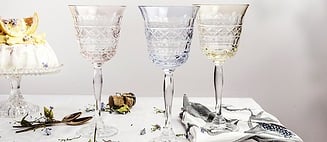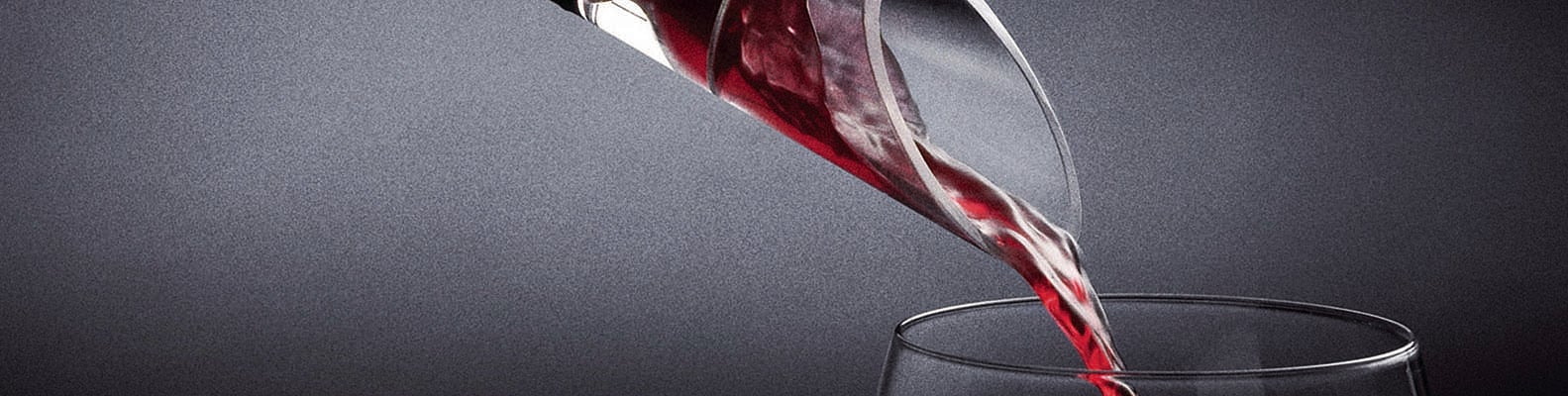
Wine tasting, contrary to popular belief, engages not only the sense of taste but also smell and sight. A professional sommelier bases their assessment primarily on the wine's aroma and bouquet, considering taste and colour as additional values.
Set the Scene for Tasting
All the Colours of Wine
The colour of the wine should be assessed under good, overhead lighting, observing the contents of the glass against a white background. The clarity of the wine is important – with proper decantation, there should be no sediment at the bottom of the glass. The wine's brilliance indicates good clarity – those with higher acidity give more sparkle. The colour of wine can tell us a great deal about its age, the maturation process, and the quality of the grape variety.
Top Tip


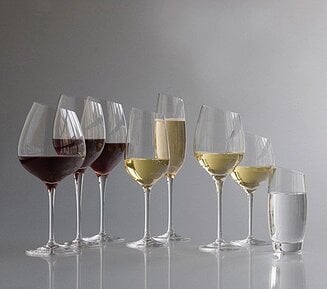
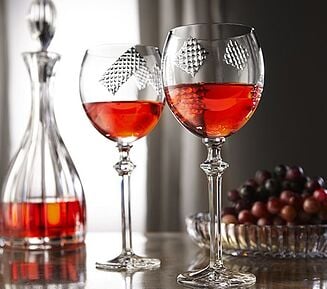
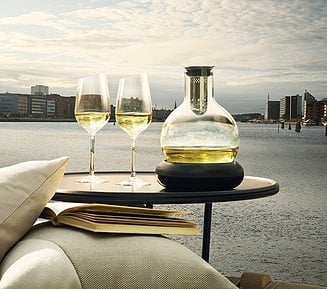
Young white wines are usually very light, those from cooler regions often with a greenish hue. Wines that have aged in barrels typically have a more intense shade. The older a white wine is, the deeper its colour becomes, often verging into shades of brown. It's best to taste them in a special white wine glass: an ideal glass has a long stem, so your warm hand doesn't heat the wine, and a tapered bowl, to minimise contact with the air. Red wines, when assessed in a tilted glass, have a 'core' which helps to identify the region, grape variety, or production technique. Its intense colour indicates that the wine comes from warm, sunny regions. Young red wines have a violet or purple reflection at the rim, which becomes brownish with age. Such wines taste best when served in a red wine glass – larger and wider than one intended for white wine.
Swirl Your Glass


The Scent Tells All
A gentle swirl of the wine in the glass also helps to release its full depth of aromas. Their intensity and complexity should be analysed, which benefits from long maturation. The bouquet of young wines often consists of fresh fruity and floral scents, while the older the wine, the more dominant the aromas of earth, spices, wood, or even animal notes.
The Right Glass is Key


The Harmonious Taste of Wine
To properly assess the taste of a wine, take a good sip and allow it to spread freely in your mouth. Different areas of the mouth detect specific taste characteristics. The first impression reveals the sweetness of the wine, its roundness, and fullness. Only a moment later can you discern its deeper structure – the amount of tannins responsible for bitterness, acids, and alcohol content. When the wine is warmed in the mouth, aromas often emerge that were not previously detectable by the sense of smell. The balance and harmony of the specific elements of the wine are of great importance – the better the wine, the more intensely the harmonious whole is perceived. You can read more about how wine is made in the FormAdore Magazine article: From Grape to Bottle: The History and Types of Wine.
Wine tasting often gives us sensations that are difficult to put into words. Our senses, receiving so many stimuli at once, often don't allow us to specify particular impressions, yet a "sixth sense" allows us to feel true satisfaction when tasting good wines. In this case, the Californian scientist Maynard Amerine's statement rings remarkably true: the quality of wine is easier to recognise than to define.
Discover More