The quality of air in our homes significantly impacts our health and well-being. This is particularly true for dry air and air containing a range of harmful substances. What causes indoor air pollution? How can you ensure good air quality at home?
Home air quality and our health and well-being
Did you know that with every breath, a person inhales up to 75 thousand different particles that can negatively affect our mood and health? Headaches, irritability, feeling unwell, and difficulties with sleeping and concentration are rarely associated with the poor quality of the air we breathe. However, it is a factor that significantly impacts our quality of life. Therefore, to avoid unpleasant ailments, it is essential to ensure that the air in our homes, which we breathe for many hours a day, is clean, fresh, and properly humidified. What affects the air quality at home and how can it be improved?
What can pollute the air at home?
There are many compounds and substances that can pollute the air in our homes. Most commonly, these include:
- excess carbon dioxide and water vapour, produced by breathing;
- carbon monoxide;
- nitrogen oxide;
- numerous dust particles floating in the indoor air for a long time; these include dust mites, viruses, bacteria, mould spores, mineral fibres, and toxins from the combustion of various substances;
- substances contained in cigarette smoke.
At low concentrations, other health-hazardous chemical substances are also present in the air, the source of which can be building materials, furniture, paints, or some cleaning products. The most common of these include formaldehyde, but also benzene, ammonia, and xylene.
As you can see, the list of harmful substances that can be present in our indoor air is truly extensive. Fortunately, there are effective ways to limit the emission of pollutants, and consequently – to significantly improve the air quality at home. Air purifiers, air-purifying plants, and other simple methods like ventilating the flat and regular cleaning can come to the rescue.


How does an air purifier work?
Air purifiers are devices designed to improve the air quality in our homes. How do they work? The purifier sucks in air, then filters and possibly ionises it, and then releases it back into the room. Depending on the model, the air may pass through several filters, with each home air filter cleaning the air of different types of pollutants. The operating principle of an air purifier is incredibly simple yet highly effective, though it's worth remembering that the correct operation of the device depends on its proper placement. The purifier should be positioned so that air has free access to it.
What pollutants does an air purifier remove?
The exact parameters depend on the specific device, the filters used, and its functions. Nevertheless, most purifiers available on the market are capable of removing the following pollutants from the air:
- smog;
- cigarette smoke;
- dust particles and household dust mites;
- microbes, viruses, and bacteria;
- allergens, pollen, and fungal spores;
- unpleasant odours.
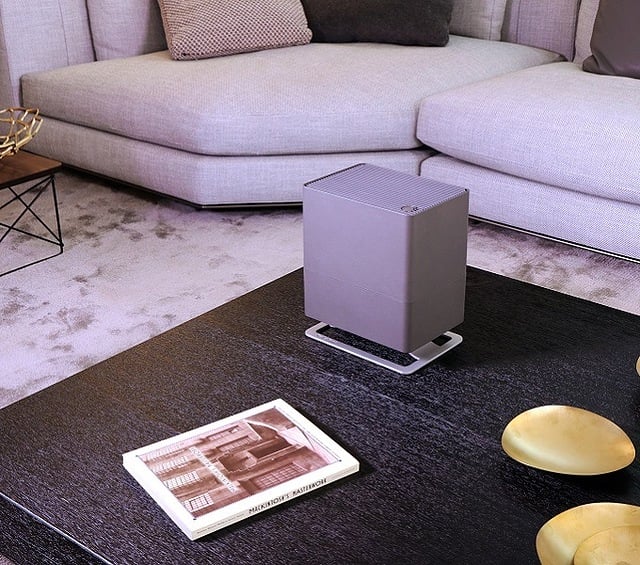


The best air purifier – what does it look like? Features of a good air treatment device
The most important thing to consider when choosing an air purifier is the type of filters used. High-quality air purifiers are equipped with a HEPA filter, which removes even the smallest and most dangerous particles. On the other hand, equipping the purifier with an activated carbon filter means that the device perfectly absorbs all kinds of unpleasant odours, as well as gases and volatile organic compounds. The activated carbon filter often comes paired with a HEPA filter.
No less important is the purifier's efficiency, i.e., information on how much air the purifier can filter per hour. This can be expressed in cubic metres per hour, but manufacturers often state the area over which the device operates most effectively. It's worth choosing a device with higher efficiency so that it doesn't have to work at full throttle, as this is when it makes the most noise, which can be a nuisance.
Ah yes – noise. This is another feature of the device that should be considered before purchase. Air purifiers typically operate for several hours a day, so the noise level they emit should not be bothersome. An optimal value is up to 35 dB.
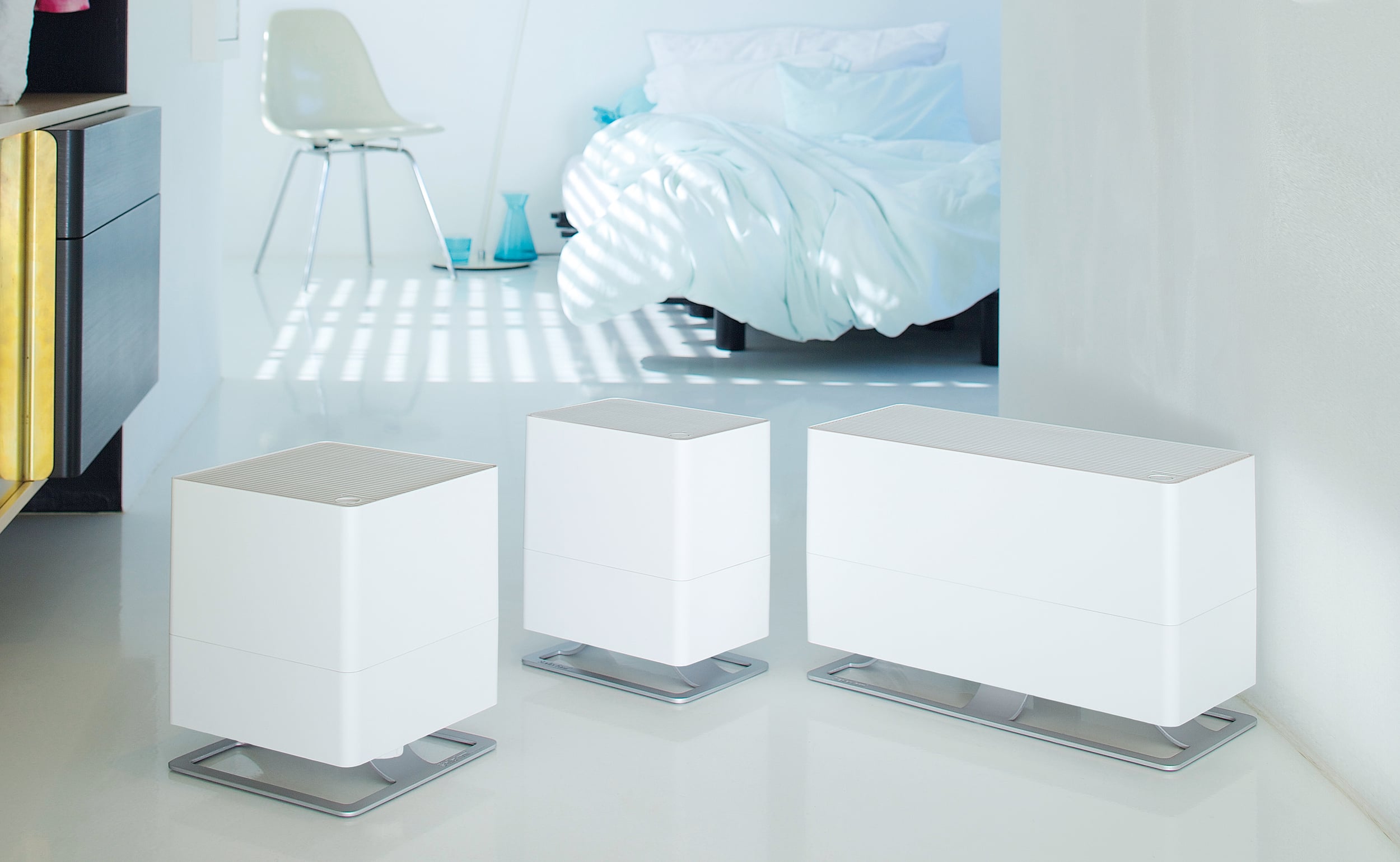
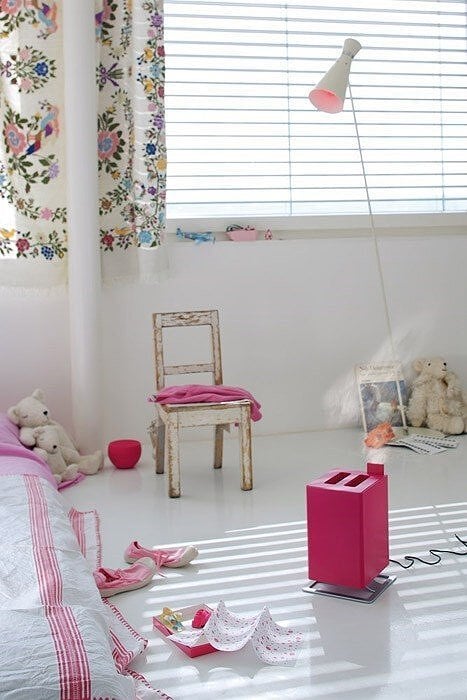
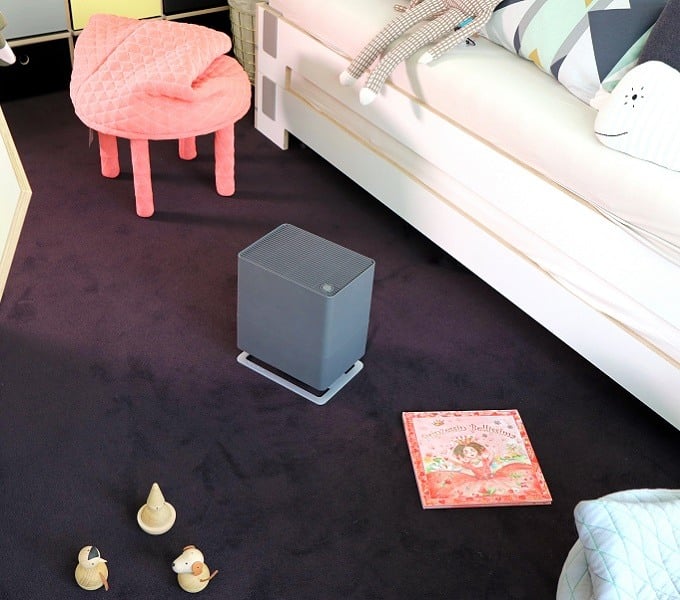
One must also not forget the design of the air purifier, after all, it's a device that usually sits in a visible spot in the room. However, the market is awash with stylish and aesthetic appliances that can easily be matched to any interior design.


Which air purifier to choose? With a humidifier? Or perhaps with ionisation?
An air purifier can solely purify the air, but there are many models that combine the function of purification with humidification or air ionisation.
- Air purifier with humidifier
Many purifiers have a built-in ultrasonic or evaporative humidifier. Such a device not only filters the air but also helps maintain optimal air humidity. This is an incredibly functional solution that allows you to comprehensively take care of the air quality in your home.
- Ionic air purifier
Did you know that our well-being depends on the electrical charges in the air? Operating electrical devices cause the formation of positive ions, which negatively affect both our physical and mental condition. Our body needs negative ions to function properly. Moreover, positive ions attract dust, and additionally, they provide an ideal breeding ground for bacteria, fungi, and viruses. Hence, many air purifiers are equipped with ionisation, i.e., a function that supports the purifier's operation. A 离子发生器 causes negative ions to appear in the air, which are excellent at capturing pollutant particles, then destroying them and preventing them from floating in the air. Ionisation positively affects air quality. Thanks to this option, air filtration becomes more effective, and well-ionised air is clean, contains fewer microorganisms, and helps our body regenerate better.
- Air purifier with automatic cleaning function
Automatic cleaning is essentially standard equipment for every purifier, leaving it in standby mode. A pollution sensor automatically activates the device when the air needs filtering and switches it off by itself once the work is done.
Furthermore, air purifiers are often equipped with a range of additional functionalities that improve their operation. These include, among others, an air quality indicator, dust content indicator, filter wear indicator, timer, and remote control.
What should the humidity be in a flat?
Insufficient humidity levels at home are another factor that lowers air quality. Dry air causes suspended dust, dirt, bacteria, and viruses to float freely, and consequently, to be inhaled by residents. Moreover, dry air can cause coughing, scratchiness in the nose and throat, dry mouth, itchy eyes, sleep problems, as well as lower our immunity and dry out the skin. It must also be added that air that is too dry also negatively affects furnishing elements, especially those made of natural wood.
That's why it's so important to maintain proper humidity levels. Optimal indoor air humidity should hover between 40-60%. How can it be measured? A device called a hygrometer comes to the rescue, which measures the humidity in a room. Meanwhile, an air humidifier is the device that will help you maintain the appropriate humidity at home.

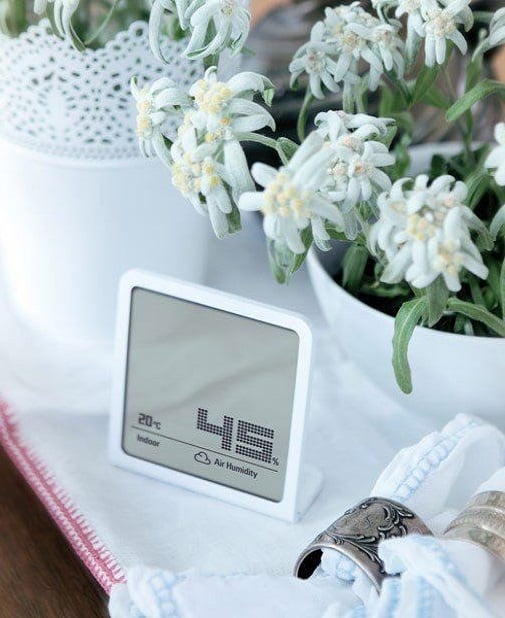


Air humidifier – a device to maintain optimal humidity levels
The most effective way to ensure proper humidity in your flat is to use an air humidifier, which produces water vapour, thereby humidifying our interiors. There are several types of humidifiers on the market, differing in their operating principles.
- Steam humidifiers
These are the cheapest and simplest humidifiers in their construction, equipped with a heater that warms the water, consequently producing water vapour. Steam humidifiers are safe and hygienic.
These devices use ultrasound to break down water into small particles, resulting in the release of a delicate mist of water vapour into the air. Ultrasonic humidifiers are quiet, consume little energy, but are also characterised by high efficiency.
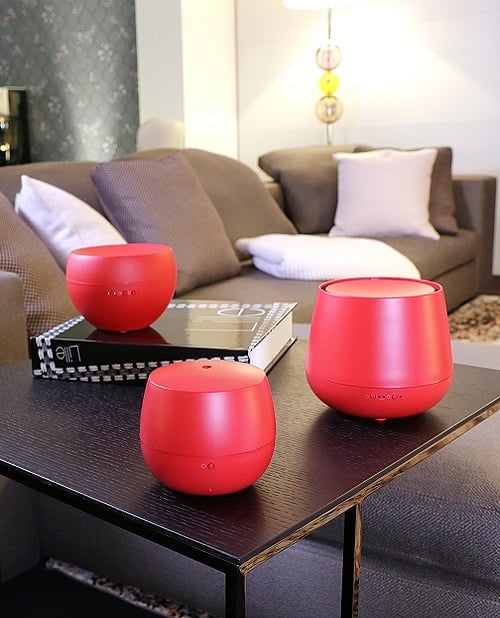
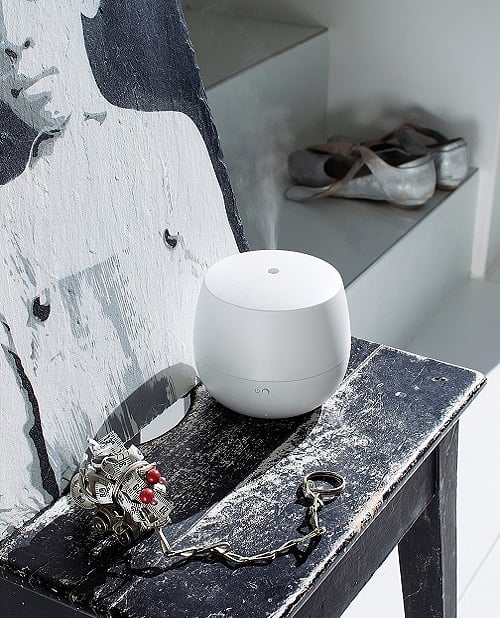
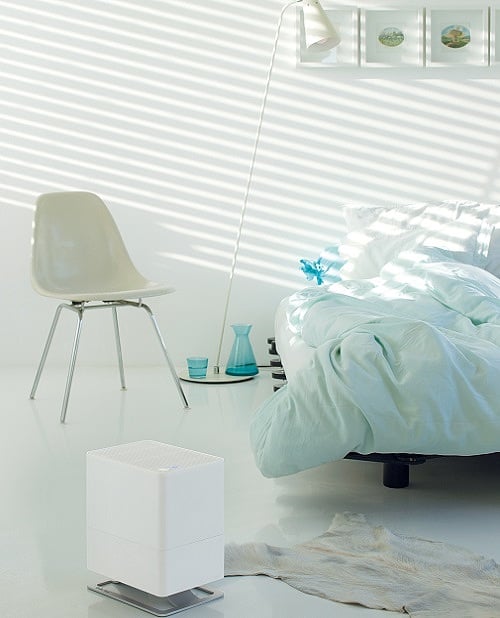


- Evaporative humidifiers
Their operation uses the process of natural water evaporation from a special humidifying cartridge, known as evaporation, which is considered the most natural and healthy method of air humidification. An evaporative humidifier is equipped with a fan that forces air through a filter or rotating discs submerged in water. Properly humidified air then returns to the surroundings.
This is a device that allows you to enjoy not only humidified but also wonderfully scented air – simply add a few drops of your favourite essential oil to the water.
Similarly to choosing an air purifier, when selecting a humidifier, you should primarily be guided by its efficiency. The chosen model should also have the ability to regulate water vapour, which allows for increased operating efficiency of the device.
Note!
Plants – natural air purifiers
Plants have a beneficial effect on the microclimate and air quality in our homes. They absorb carbon dioxide from the environment and release oxygen through photosynthesis, and also increase humidity. Furthermore, many green plants are excellent at trapping pollutants and dust from the surroundings and absorbing toxic substances. The most popular species of houseplants that purify indoor air include:
- parlour palm,
- anthurium,
- fern,
- lady palm,
- spider plant,
- dwarf date palm,
- Gerbera daisy,
- peace lily,
- snake plant,
- dracaena marginata,
- common ivy,
- golden pothos.
Place the above plant species in stylish pots and plant covers to breathe fresh and clean air in your home!
Tip
How else can you ensure good air quality at home?
A crucial role is played by ventilating the flat – for at least 15 minutes a day, ideally by creating a short draught. Especially in winter, the best results come from short but intensive ventilation, involving opening all windows fully and leaving them open for several minutes. Ventilation is the simplest way to get clean and fresh air, though it must be stressed that it should be avoided when there is smog outside, and consequently – the air quality is very poor.
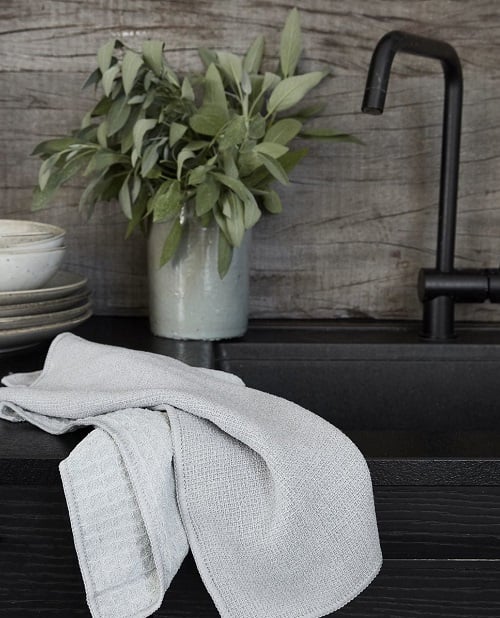
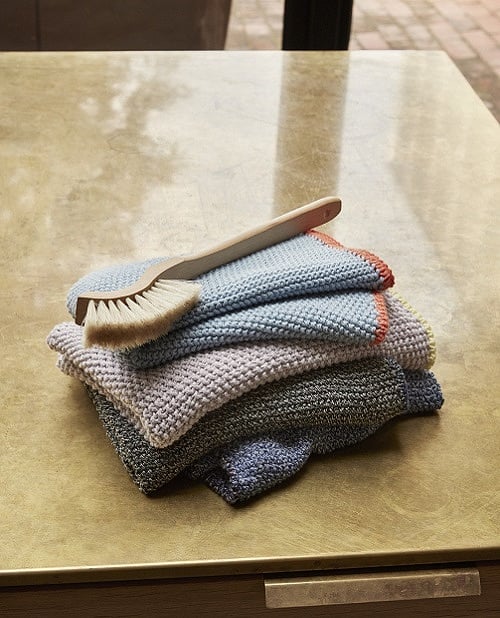
It's also extremely important to clean frequently, i.e., regular vacuuming and dusting, ideally using special dust cloths, which, thanks to their structure, don't just move dust around but trap it within their fibres.

You mustn't forget to clean other surfaces where various pollutants can settle. Using a cloth and high-quality, effective cleaning products, it's worth wet-wiping floors and other surfaces at home, such as kitchen countertops, bathroom fixtures, tiles, and door handles, to effectively remove all dirt, rather than just stirring it up into the air.



Take care of the air quality in your home so you can breathe freely every day and at any time of year.