Winter is in full swing, so most of us crank up the radiators to fill our homes with cosy warmth and get properly toasty. Unfortunately, warm radiators make the air at home dry, which can negatively affect the health and well-being of its inhabitants. We'll tell you how to humidify dry air at home.
Dry air, coughs and colds – why humidify?
We feel comfortable and at ease when we breathe air with a humidity level hovering around 40-60%. Unfortunately, in winter during the heating season, but also in summer in air-conditioned rooms, the air humidity drops below the levels desirable for the body. This leads to many symptoms affecting the respiratory system, among others. Dry air in a child's room, as well as in other rooms of our home, causes coughing, a scratchy nose and throat, itchy eyes, restless and interrupted sleep, and can also contribute to a weakened immune system and dry and cracked skin.
It's worth adding that...
overly dry air at home also adversely affects its furnishings, especially those made of natural wood, causing them to dry out. It also harms leather goods, as well as fabrics.
How to humidify dry air at home?
- Opt for houseplants
With grey, dull, and gloomy weather outside, surround yourself with plants that will not only bring a pleasant and cosy atmosphere to your interior but also positively affect air humidity levels.
Go for...
Go for houseplants such as: Aloe vera, Rubber fig, Scented Dracaena, Common Ivy, or Schefflera. These plants release most of the water they absorb into the atmosphere and also have purifying properties, thanks to which they absorb many toxic substances. You can also leave a bit more water in the pot saucer and let it evaporate.
- Ventilate your home frequently
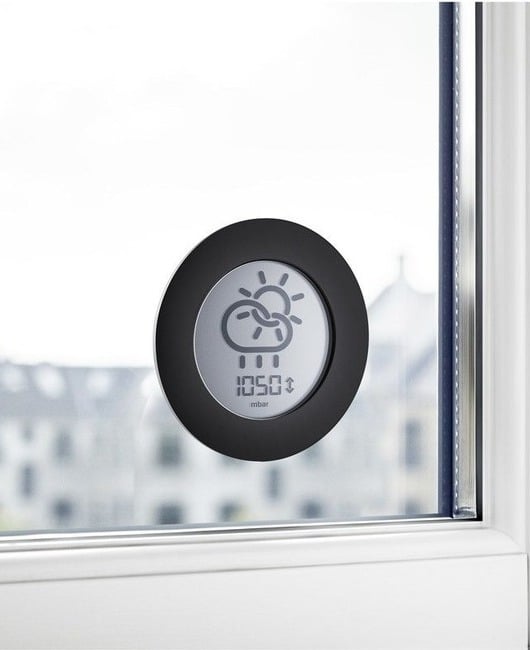
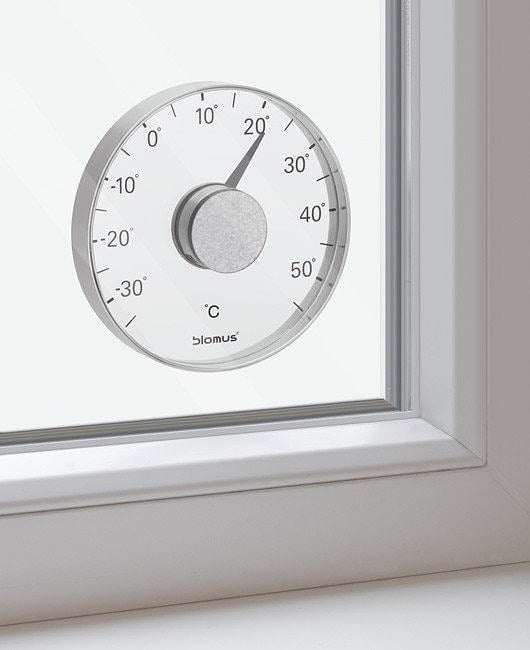
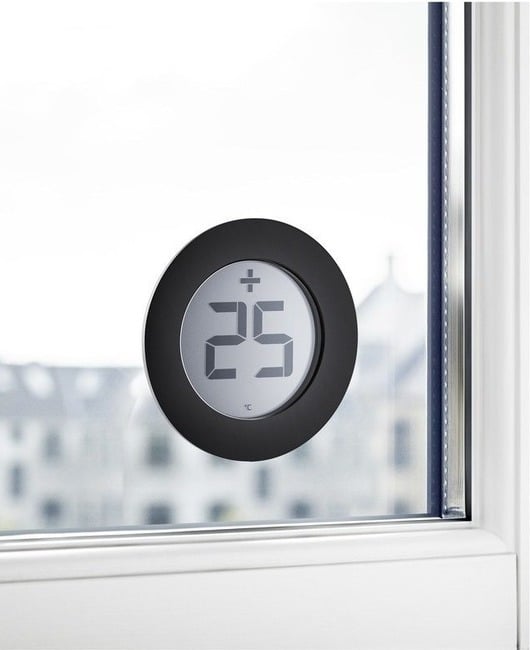
Remember to regularly ventilate rooms, especially during rain or snow – at these times, outdoor humidity is at its highest. It's also worth getting a thermometer to continuously monitor the air temperature at home, which should be between 20-22 degrees Celsius.
To maintain an optimal temperature at home, try to turn down the radiators and open windows as often as possible.


- Place a towel on the radiator
Placing a wet towel on the radiator, as well as hanging laundry nearby, is also a tried and tested method for dry air in a room. Water evaporating from the fabric will help to humidify the air. However, it must be said that this method has a few drawbacks. A towel placed on a radiator looks rather unsightly and needs to be changed frequently.
- A bath instead of a shower
Instead of a shower, take a warming and relaxing bath. Why? Water evaporating from the bathtub will wonderfully humidify the air. After your bath, don't immediately drain the water from the tub and open the bathroom door to allow the humid air to spread to other rooms in the house.
- Radiator humidifiers
This is another method for dry air at home. Water poured into the container evaporates due to the heat from the radiator, thus humidifying the air. Radiator humidifiers are particularly recommended for small rooms, although their efficiency can be increased by hanging several water-filled containers on one radiator. An undeniable advantage of radiator humidifiers is their appearance! These models are usually finished in an eye-catching and aesthetic way and make a great interior decoration.
A solution for dry air at home – electric air humidifiers
This method seems to be the most effective and convenient solution, thanks to which you can maintain an appropriate level of humidity in your home. Air humidifiers produce significantly more water vapour compared to other air humidification methods.
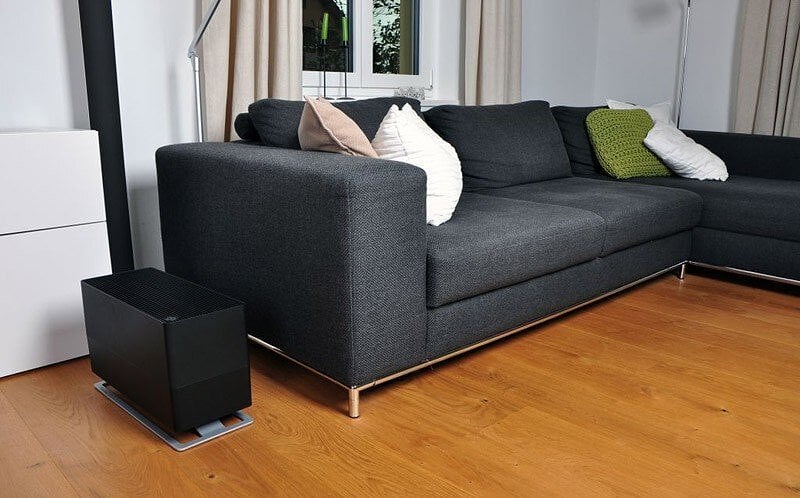
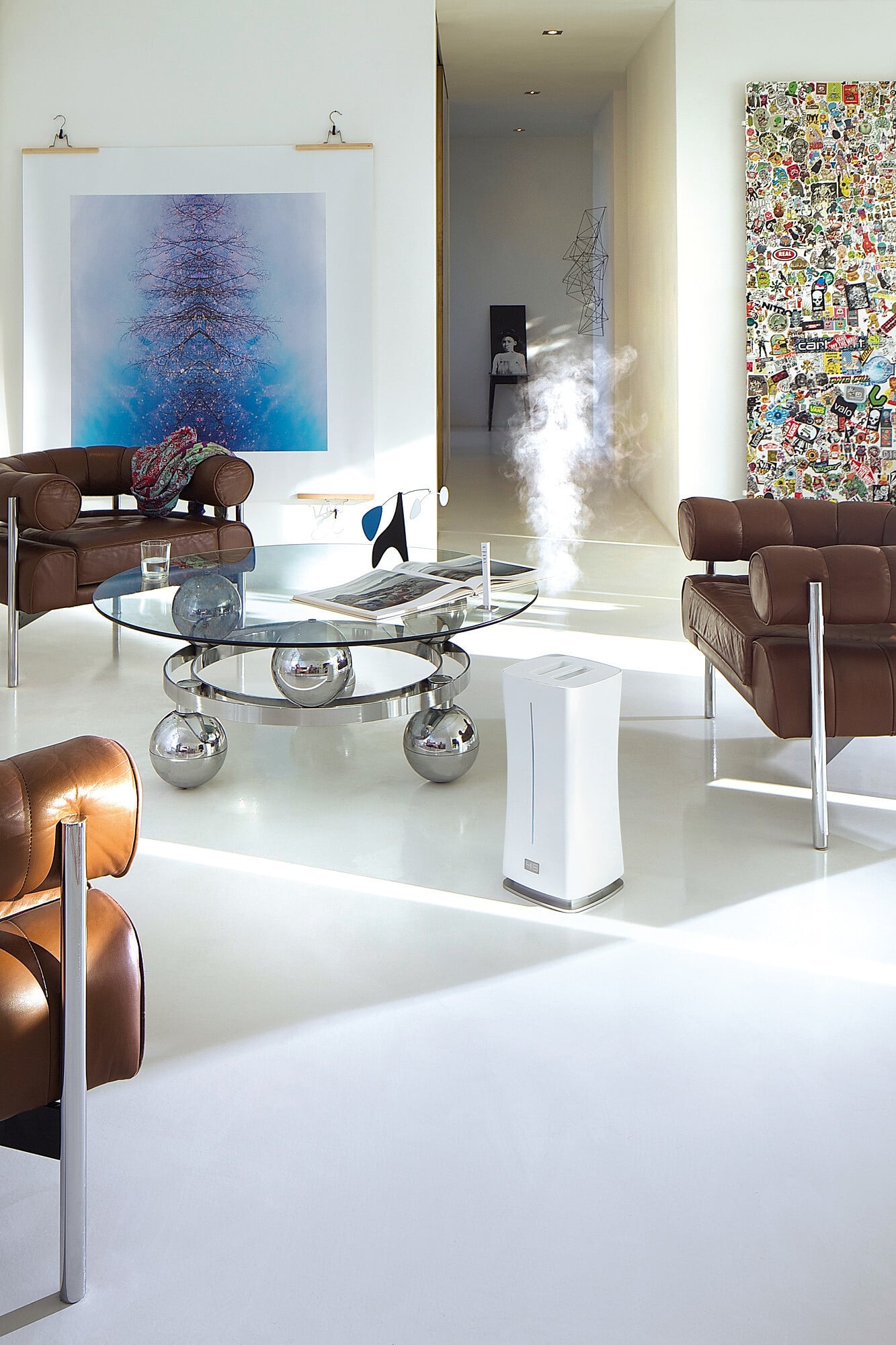
The cheapest and simplest in design among air humidifying devices are steam humidifiers. These are devices equipped with a heating element that heats water, resulting in the production of water vapour. Humidifiers operating with steam technology are safe and highly hygienic, as boiling water destroys a large number of microorganisms.
Another product is ultrasonic humidifiers, which mechanically, using ultrasound, break water down into tiny particles, thus emitting a delicate mist of water vapour into the air. They are characterised by high efficiency, low energy consumption, and quiet operation. However, it should be emphasised that the ultrasounds emitted by this type of humidifier, which are inaudible to the human ear, can negatively affect animals. Therefore, for the sake of our pets, it's worth considering purchasing a different type of device.
It's impossible not to mention evaporative humidifiers, whose operation is based on the natural evaporation of water from a special humidifying cartridge, i.e., evaporation. These devices consist of replaceable evaporative mats, a fan, and a water tank. They are characterised by very low electricity consumption and gentle air humidification.
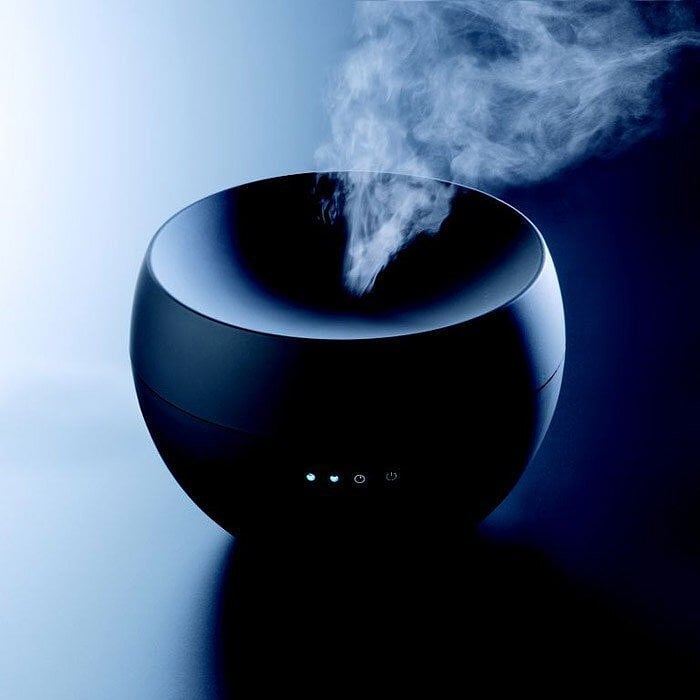
If you care not only about proper air humidification but also its scent, consider a humidifier with essential oils.
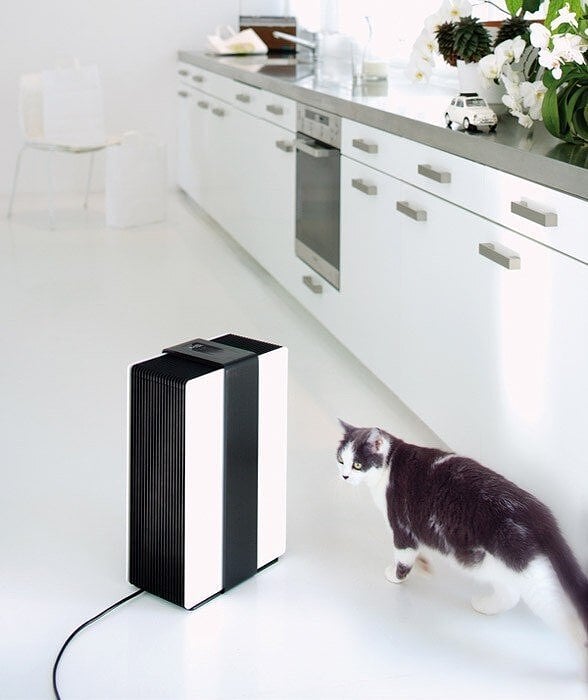
Another product worth paying attention to is a humidifier with a purifying function, which, thanks to a disc rotating in water, simultaneously humidifies the air and traps all kinds of microorganisms and allergens.
Our advice
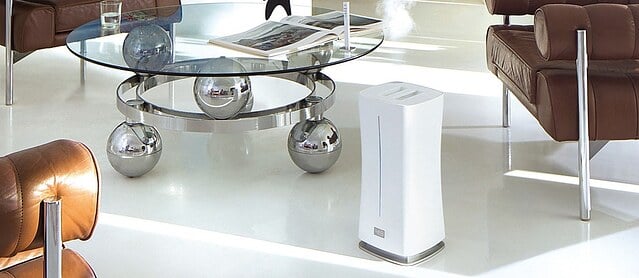

When choosing a specific model of air humidifier for your home, first and foremost, consider its efficiency. This is an incredibly important criterion that determines the area over which the device can maintain an optimal level of humidity. The chosen equipment should also have the ability to regulate water vapour. Too small a stream of vapour will not be able to humidify the air efficiently and effectively, while too much vapour will cause water to condense around the device, which can negatively affect the condition of the floor or nearby furniture.
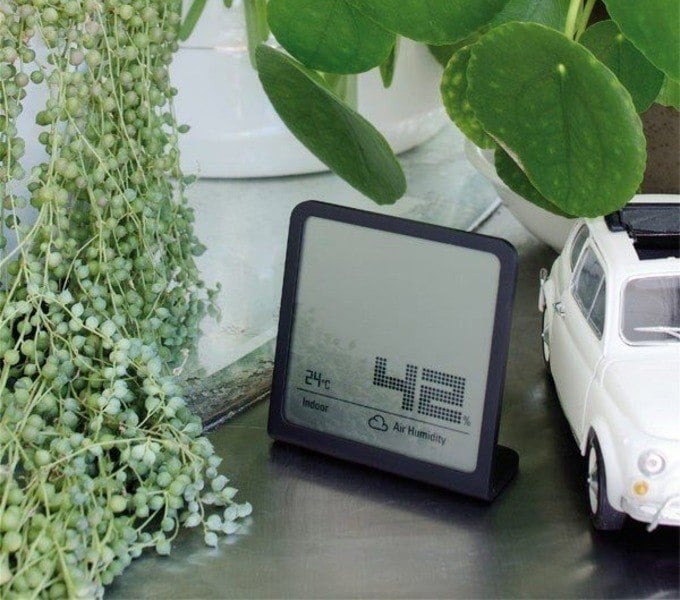
An interesting and useful feature that some humidifiers have is a built-in hygrometer that measures the humidity in the room. This is an incredibly useful gadget, so if your chosen humidifier doesn't have a hygrometer, consider buying one and placing it in the room. Thanks to the hygrometer, we can constantly monitor when to turn the humidifier on and when to turn it off.




A fascinating feature of some models is the ability to add essential oils to the water, which turns the humidifier into an aromatherapy device at the same time.
A fashionable accessory
However, regardless of which humidifier model you choose, remember to turn it on after ventilating your home. Why? If the air inside is simultaneously hot and humid, microorganisms will begin to develop in it. Don't forget to regularly clean and disinfect the device either.
Maintaining proper air humidity at home is crucial from the perspective of the health and comfort of its inhabitants, but also the condition of the apartment's furnishings. The right level of air humidity at home can be achieved most easily and quickly by opting for an electric air humidifier. Remember, however, to adapt the equipment to your own needs, i.e., to the type and area of the rooms where the device is to operate, so that the air humidification is as effective and efficient as possible.