Monstera is one of the most popular houseplants "," striking, easy to care for, and perfectly at home in modern interiors. This article is aimed at houseplant lovers and those planning to repot their Monstera, who want to provide it with the best growing conditions, because a well-chosen pot is an investment in the lush growth and beautiful appearance of your Monstera for many years to come.
Monstera pot - how to choose the ideal one?
Monstera is one of the most popular houseplants "," striking, easy to care for, and perfectly at home in modern interiors. This article is aimed at houseplant lovers and those planning to repot their Monstera, who want to provide it with the best growing conditions. Choosing the right pot for your Monstera is crucial not only for the aesthetics of your arrangement but, more importantly, for the plant's health "," it affects root system development, proper hydration, and the stability of its tall, sprawling stems. A well-chosen pot is an investment in the lush growth and beautiful appearance of your Monstera for many years to come.
Key information at a glance
In this article, you'll learn how to choose the ideal pot for your Monstera to ensure its healthy growth and beautiful appearance.
A Monstera pot should be about 2","4 cm wider than the current root ball "," a pot that's too large leads to root rot, while one that's too small hinders growth.
At the same time, the Monstera pot should be 5 cm larger than the plant's diameter.
Drainage holes at the bottom are an absolute must, supplemented with a 2",


Monstera "," a brief species characteristic
Before we dive into the specifics of choosing a pot, it's worth understanding why Monstera has such particular requirements. This tropical plant naturally climbs tree trunks in the forests of Central America, which directly translates into how we should cultivate it at home. Monstera thrives best in light, permeable soil rich in nutrients.
The most popular species include: Monstera deliciosa (the classic variety with large leaves), Monstera deliciosa 'Variegata' (with white and green patches), Monstera adansonii, also known as Monstera monkey mask (with smaller, perforated leaves), and Monstera deliciosa 'Thai Constellation' (with creamy variegation). Monstera dziurawa (a common name for species with characteristic perforations) typically reaches 1.5",




When to choose a light pot and when a heavy one?
The decision about the pot's weight depends on several factors "," here's a quick cheat sheet:
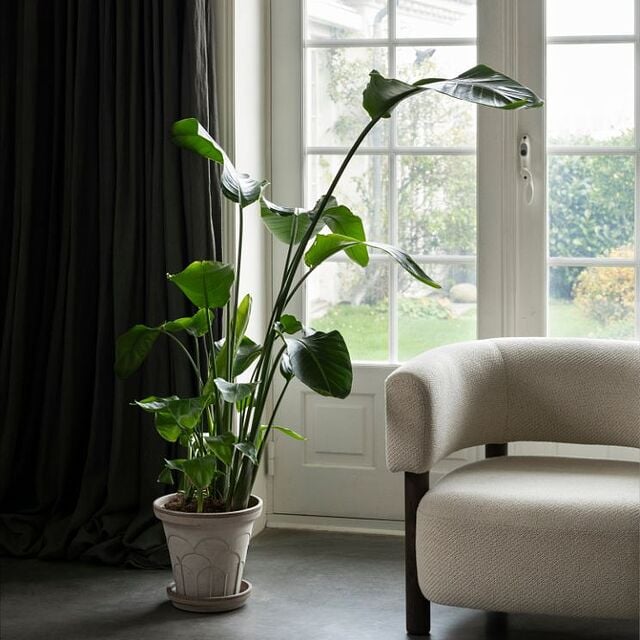
Choose a light plastic pot if you frequently move your plants (e.g., between the balcony and indoors, or between rooms depending on the season) and your Monstera is up to about 70",


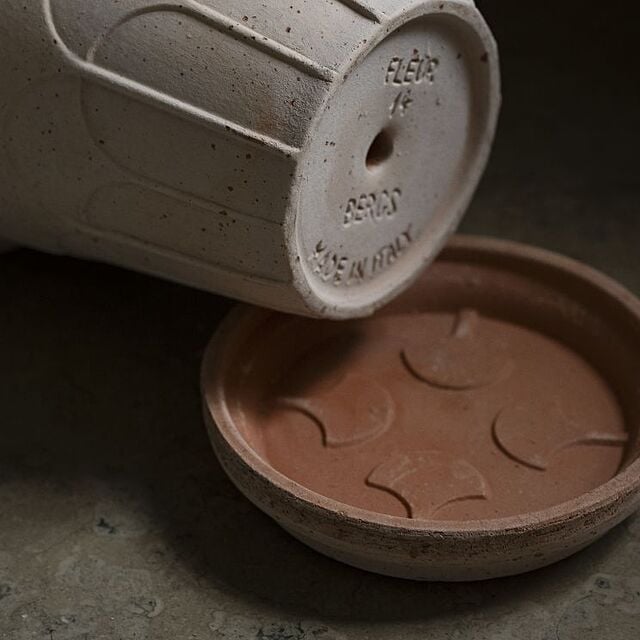
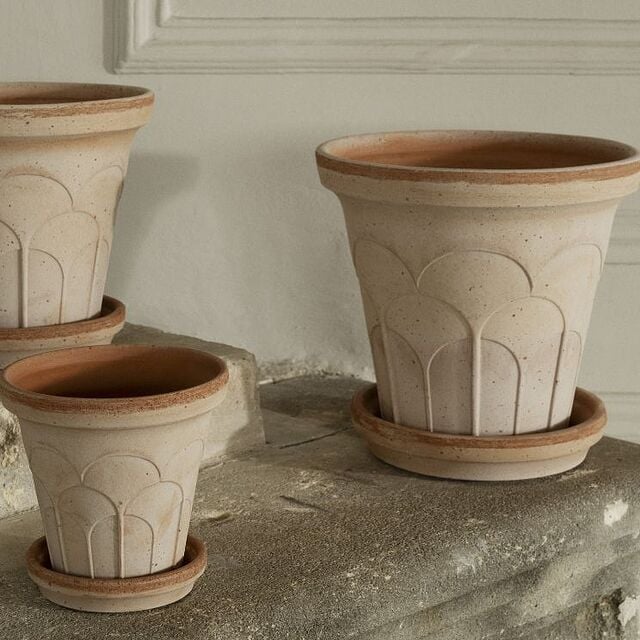


Pot style and color "," how to match the pot to the interior and Monstera's character?
The aesthetics of a pot aren't just a matter of taste "," the right choice highlights the plant's character and creates a cohesive arrangement. The pot's aesthetic is also very important, as it will be an element that will grace your home for a long time. Monstera is characterized by large, heart-shaped leaves, which are prized for their incisions and holes. Such a plant deserves a setting that won't compete with it.
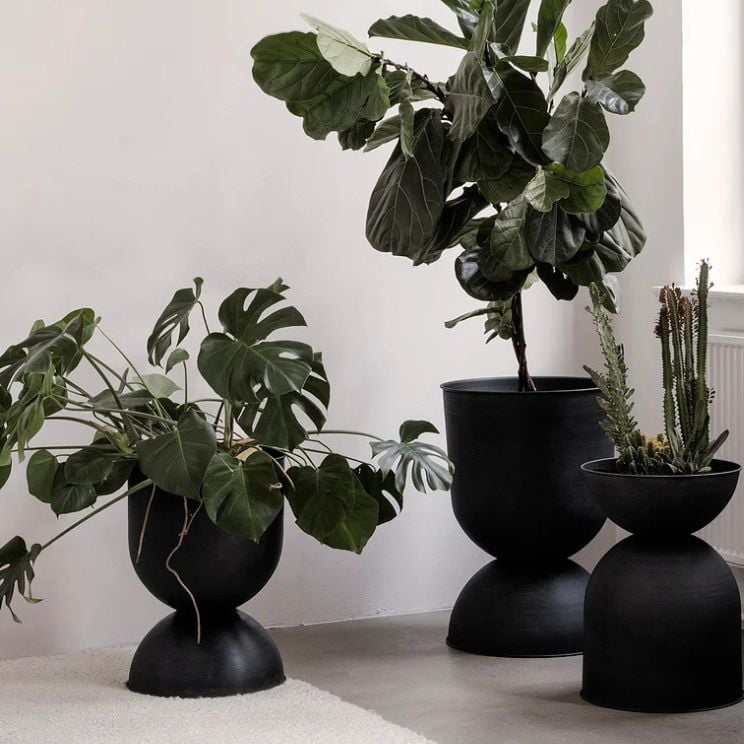
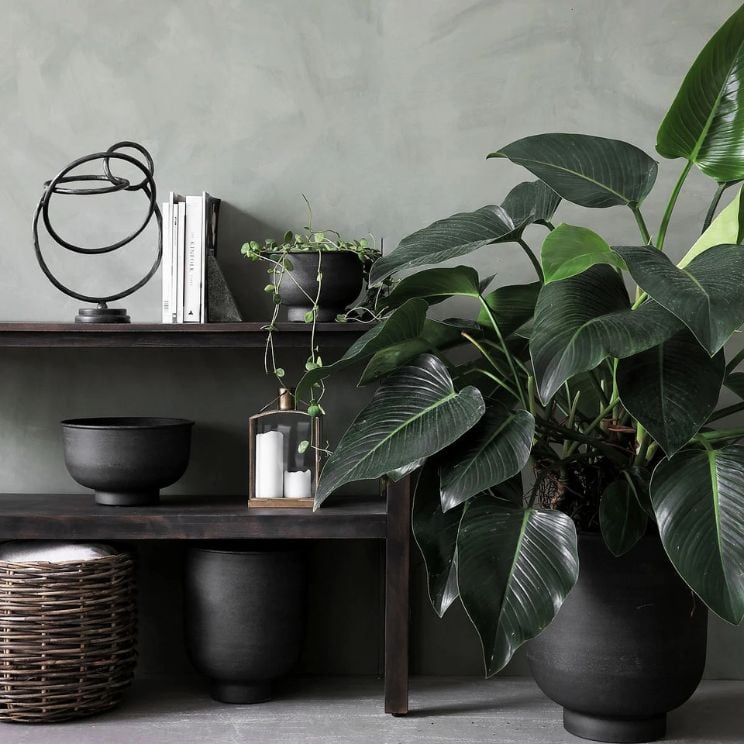
Due to Monstera's distinctive, large leaves, it looks best in simple, smooth pots "," avoid aggressive patterns and overly ornate containers.
Color examples for various interiors:
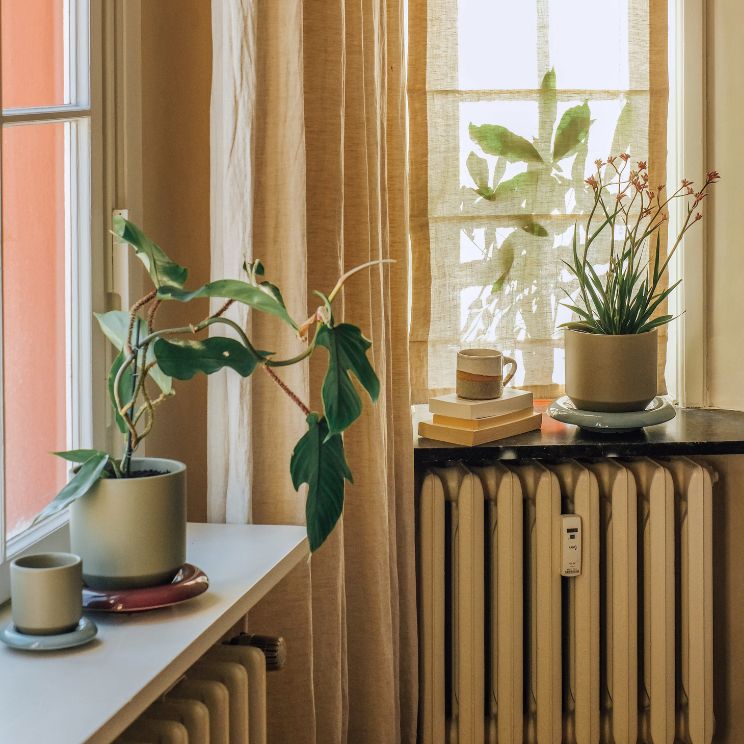
- White and beige pots "," Scandinavian and boho style
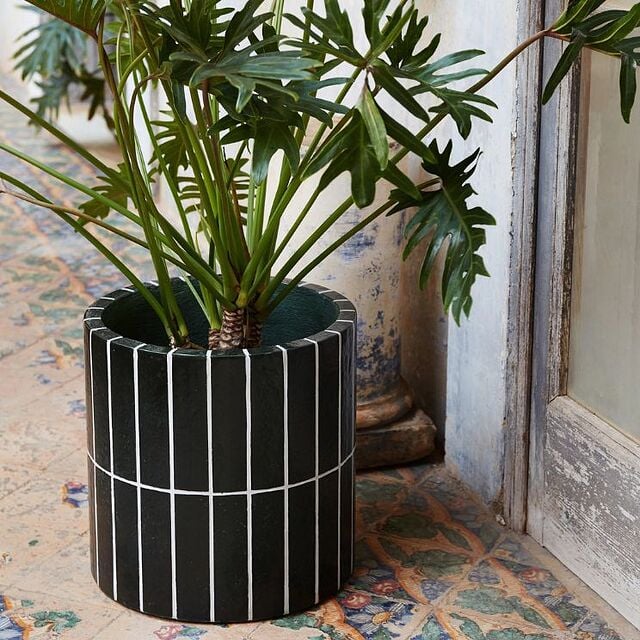
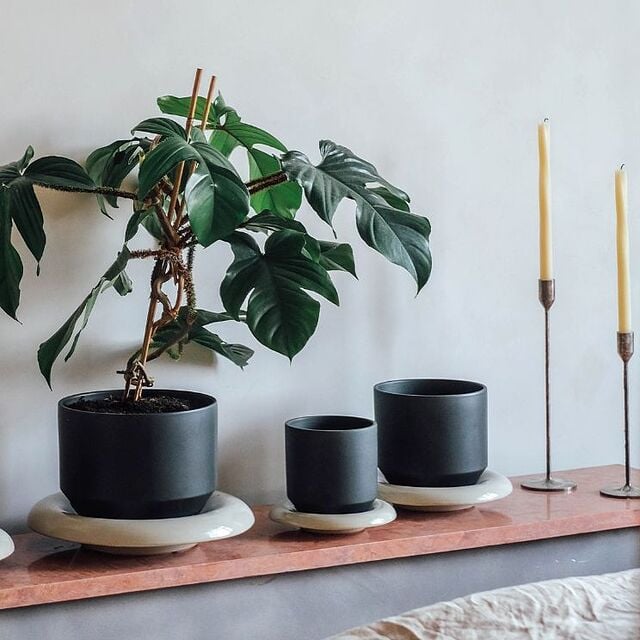
- Matte black and anthracite "," loft and modern interiors
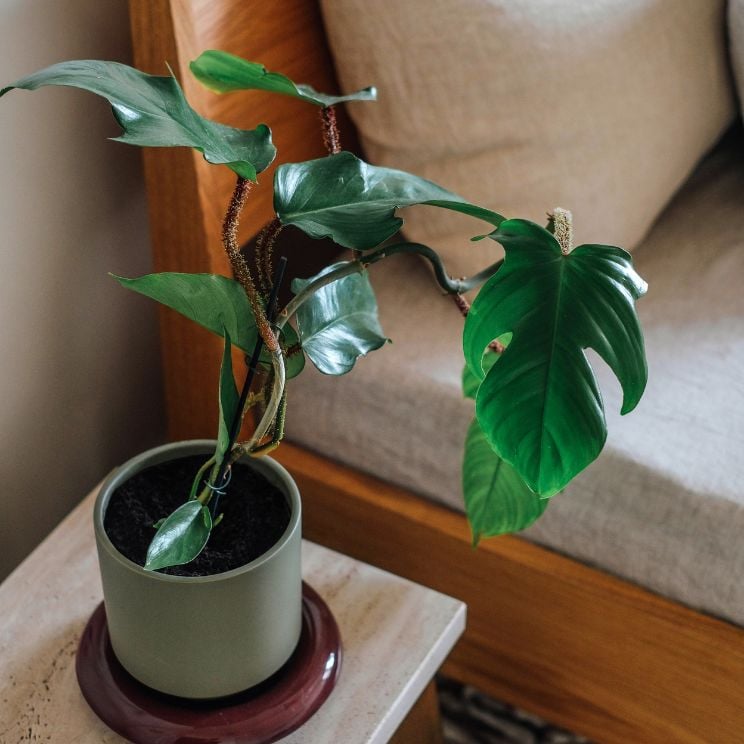
- Olive green or brick red "," retro and vintage arrangements
- Natural terracotta "," exotic and Mediterranean style
Currently, tall, cylindrical modern pots on metal legs are fashionable, showcasing Monstera's long leaf petioles "," they work perfectly in a living room or dining room.
Woven baskets made of seagrass or rattan as decorative covers add coziness and will work well in a Scandi boho style, provided a sealed plastic liner is used inside.
When choosing a color, consider the walls, floor, and furniture "," the pot can subtly blend into the background or create a strong accent emphasizing the plant's exotic character.
Pot and Monstera placement
The type and size of the pot should correspond to the place where you plan to put the plant:
Living room by the window: Heavier pots for floor placement, ideally by an east or west-facing window, where the plant receives diffused light without direct sunlight. Here, Monstera can freely grow for many years.
Bedroom and office: Slightly smaller pots and compact varieties (e.g., Monstera adansonii) in decorative covers that are easy to fit on a desk, dresser, or nightstand.
Near a balcony window: Avoid dark, heavily heating metal pots, which can overheat the root ball in summer "," Monstera roots prefer a temperature 2",




How to tell if your Monstera needs a bigger pot?
Here are specific signs that will tell you it's time to repot:
Roots growing out of the drainage holes at the bottom or visible on the soil surface.
Bulging or cracking plastic pot wall "," the pressure from the root ball is too great.
Very rapid drying of the soil (even within 1",