The modern method of sous-vide cooking is becoming increasingly popular - and it certainly needs no introduction to professional chefs. We are talking about long cooking in vacuum bags at a temperature that is maintained at all times. What should you know about this technique, what accessories should you equip your kitchen with and how to prepare different types of food?
Sous-vide - what is this cooking method?
The sous-vide cooking method was patented as early as the 1970s, when it was invented in France by chef Georges Pralus. The very name of the technique means 'in a vacuum' - and this is how meals are prepared in this case. This is because the food is sealed in vacuum packs and placed in a water or steam bath. The finished food looks almost identical to that cooked in the traditional way in water - the difference, however, is in the taste and texture. Importantly, the food retains its nutritional value as well as its taste and aroma.
Sous-vide products are waiting here.
Key benefits of sous-vide cooking
Cooking using the sous-vide technique is associated with many advantages - including the exceptional taste of the food. This is all thanks to the fact that the food does not lose its flavour or aroma - so much less seasoning is needed to prepare it. Meat or vegetables are cooked in their own juices, while their aroma remains enclosed in the vacuum bag - so there is no mixing of different smells in the kitchen. This is a big plus, especially with fish.
What's more, by cooking with this method, we can take care of our health as the food retains its nutritional values and vitamins. One of the reasons for this is the lower cooking temperature. During traditional cooking in water, on the other hand, food loses up to several dozen per cent of its valuable nutrients. The reduced use of salt and fat, as mentioned, also contributes to health.
Another major advantage is that finished food can be stored for longer. As long as the vacuum pack is not torn or accidentally damaged, no air can reach the contents - and aerobic bacteria grow much more slowly as a result. Properly prepared food can also be frozen without fear of quality loss or spoilage. For many people, the sheer size of meals, especially meat, will also be an advantage - food prepared in this way does not shrink like during frying or classic cooking.
However, it should be remembered that due to the specifics of product processing and the use of low temperatures, you should always use ingredients of the highest quality from verified sources. This applies to meat, fish and vegetables. Each product must also be washed and peeled very carefully before cooking.
What about the costs of such cooking? The sous-vide method guarantees considerable savings, e.g. due to lower electricity consumption and the lack of need for a cooker.


How to cook using the sous-vide method?
When cooking sous-vide, it is important to control the temperature. It should be lower than when cooking in the traditional way and usually does not exceed 100 degrees. The cooking time, on the other hand, is longer than standard cooking - it can be several or even tens of hours. This ensures that the food is cooked evenly both inside and out. When preparing food with this interesting method, it is worth remembering the appropriate temperature and time range:
- 80-85 degrees for vegetables and 45 min - 1 hour.
- 58-60 degrees and 30 min-5 hours for fish;
- 65-71 degrees and 30 min-5 hours for poultry;
- 65-66 degrees and 1-8 hours for pork;
- 58-60 degrees 45 min-24 hours for beef;
- 65-68 degrees for veal.
If you exceed the cooking time, with sous-vide you don't have to worry at all - the dish will definitely not overcook. The finished dish can additionally be pan-fried or placed on the grill for a while - especially if it is meat.


Sous-vide cooking - what do you need?
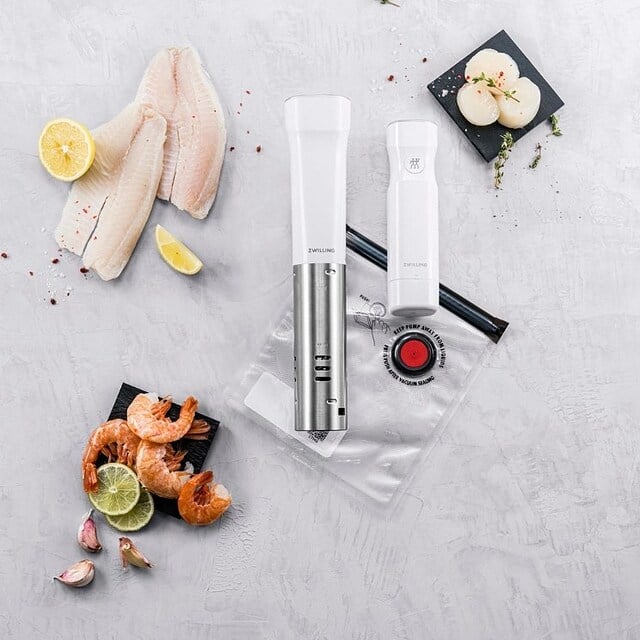
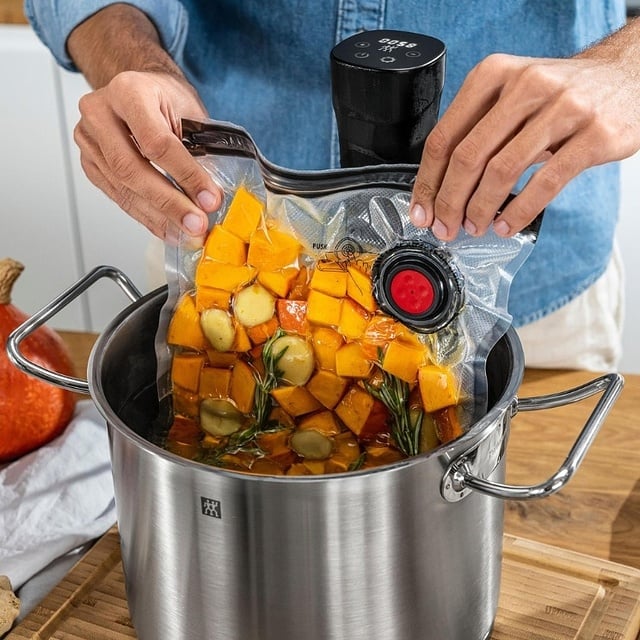
Several accessories are needed to cook food using the sous-vide method. The essentials in this case are the vacuum bags in which the food is stored during cooking. It is important that they are made of heat-resistant plastic. A recommended solution is the Zwilling brand packaging available in our range. The Fresh & Save vacuum bags are suitable for sous-vide cooking as well as for marinating, defrosting or storing food in the fridge or freezer. In addition to the packaging itself, a vacuum packaging device, i.e. a vacuum sealer, can also prove useful.
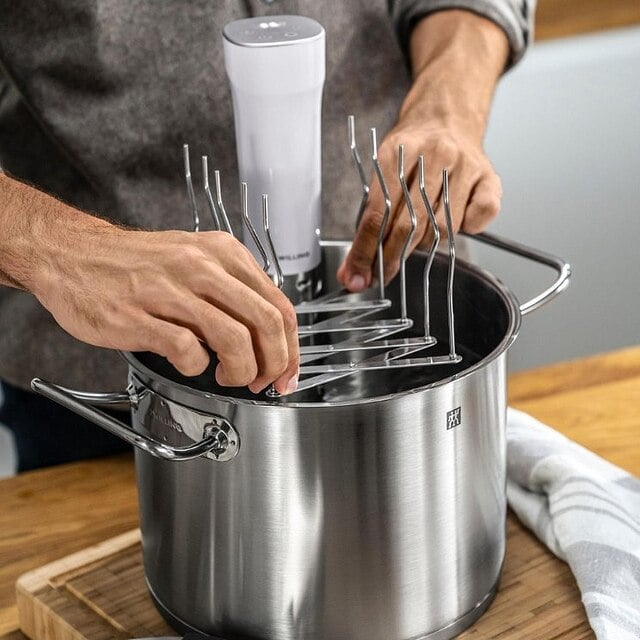
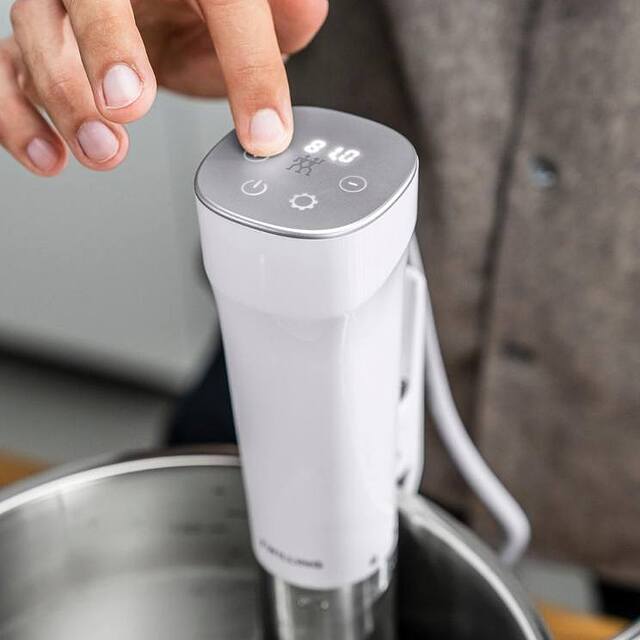
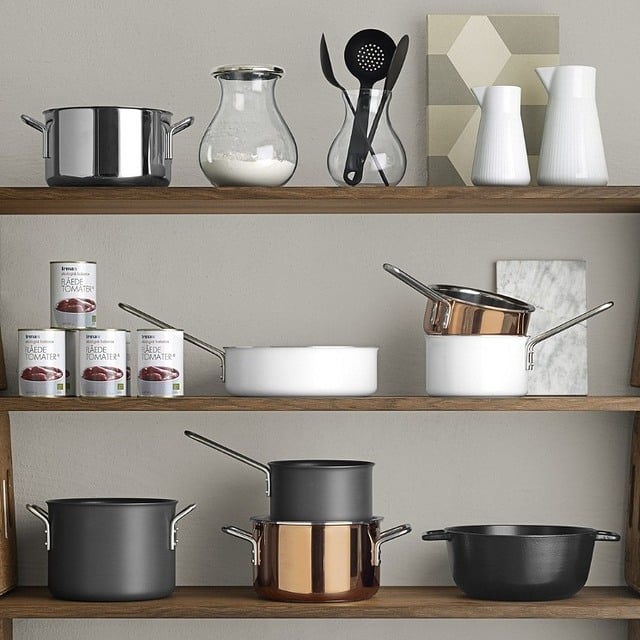
In the FormAdore shop, you will find a practical set with bags, a pump, a pump-out attachment and a circulator waiting for you. This last item turns out to be very useful when cooking with the sous-vide technique. The equipment not only controls the temperature of the water but also keeps an eye on the cooking time of the food. If you want to change your daily cooking routine and take care of your health, our product range includes both a sous-vide cooking appliance - the so-called "tub" - and circulators and special thermometers. Of course, if you want to save money, you can also cook in a classic pot - but it should be slightly deeper. When preparing food using this modern method, a special sous vide griddle is also useful, as it allows air to circulate when there are several bags of food in the pot.


Time for some recipes...
Many types of food can be cooked using the sous-vide method. We are not only talking about meat or vegetables, but also fish and seafood. Cooking in vacuum bags also works well for legumes, fruit - e.g. for desserts - and even eggs. Today, we have a few suggestions for dishes prepared this way - healthy, full of nutritional value and, above all, tasty.
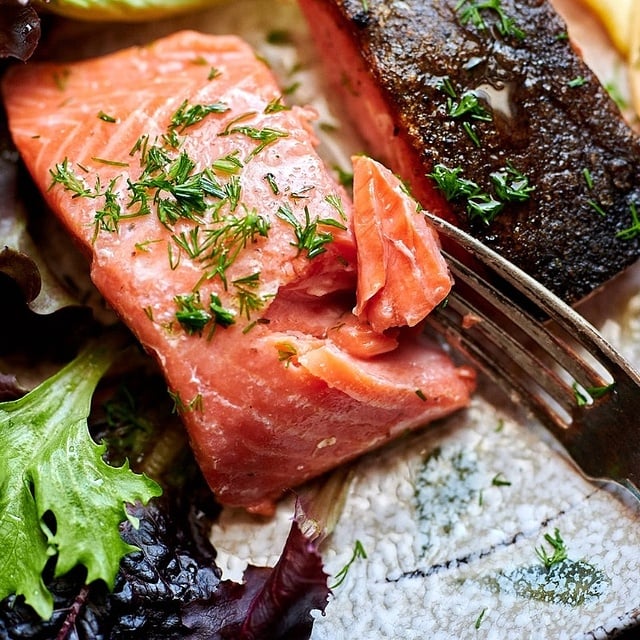
Tender sous-vide salmon
Salmon - who doesn't love it? This delicate fish tastes perfect both baked and sous-vide. Check out how to prepare it using this method.
Ingredients:
- salmon fillet;
- half a glass of salt;
- 5 tablespoons of sugar;
- a litre of cold water (temp. about 5 degrees).
Preparation:
1. Clean the fish thoroughly, then rinse it under running water.
2. Mix the salt and sugar in the prepared cold water.
3. Put the cleaned fillet in the water, and after an hour, put it in a vacuum bag (after removing the air from it).
4. Heat the water to 40 degrees, using a circulator, for example.
5. Put the vacuum bag with the salmon in the water for one hour and after that put it straight into the fridge.
6. Wait 20 minutes and tear the bag - the fish is ready!
Such sous-vide salmon tastes great in a duo with green asparagus - for example in a béchamel sauce.


Beef sous-vide
This time, something for fans of less tender meats - aromatic beef steaks.
Ingredients:
- 360 g of beef for steaks;
- 1 teaspoon of salt and half a teaspoon of pepper;
- 30 g of butter (cold);
- oil for frying the meat;
- fresh rosemary and thyme.
Preparation:
1. Wash the beef well, pat it dry and then cut it into two portions.
2. Season the pieces with pepper and salt and put them into vacuum bags.
3. Put herbs and pieces of butter into the bags.
4. Place the vacuum-packed meat and ingredients in a pan with water (this should completely cover the contents).
5. Cook using the sous-vide method for approximately 2.5 hours at a constant temperature of 60 degrees.
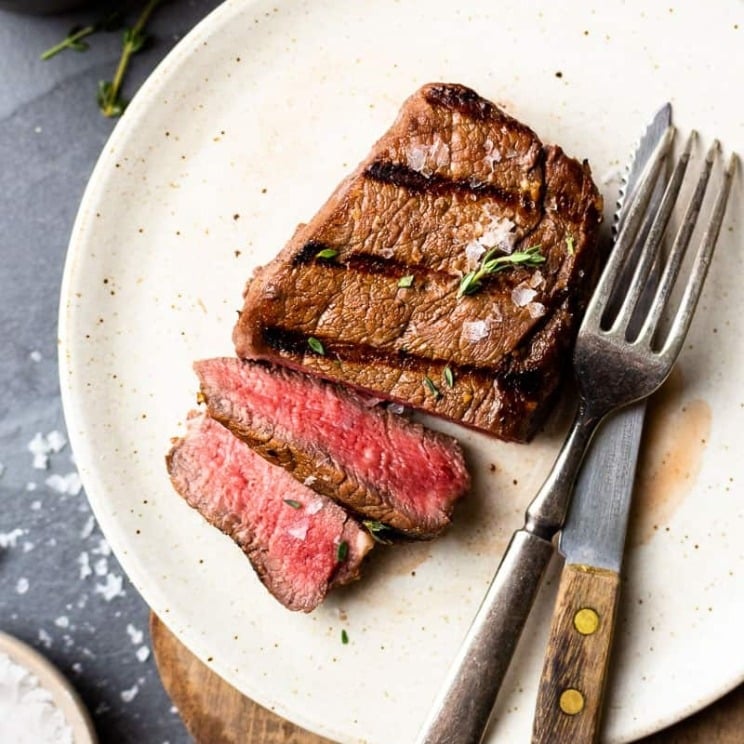
6. Remove the finished steaks from the bags, drain the sauce and fry in a pan with a small amount of well-heated fat.


Pork tenderloin sous-vide in a herb coating
If you're not a fan of beef but are partial to pork, we have another recipe for you - this time for pork tenderloin in a unique coating of fresh herbs.
Ingredients:
- pork tenderloin;
- salt to taste;
- mixed herbs.
Preparation:
1. Season the meat with salt and put it in a vacuum bag.
2. Cook using the sous-vide technique for half an hour at 62 degrees.
3. Remove the tenderloin from the bag, then fry it in a hot pan until the meat caramelises (about a minute).
4. Coat the fried pieces of meat with the herb coating.
The tenderloin tastes delicious with vegetables cooked in the same way and baked potatoes or potato puree.