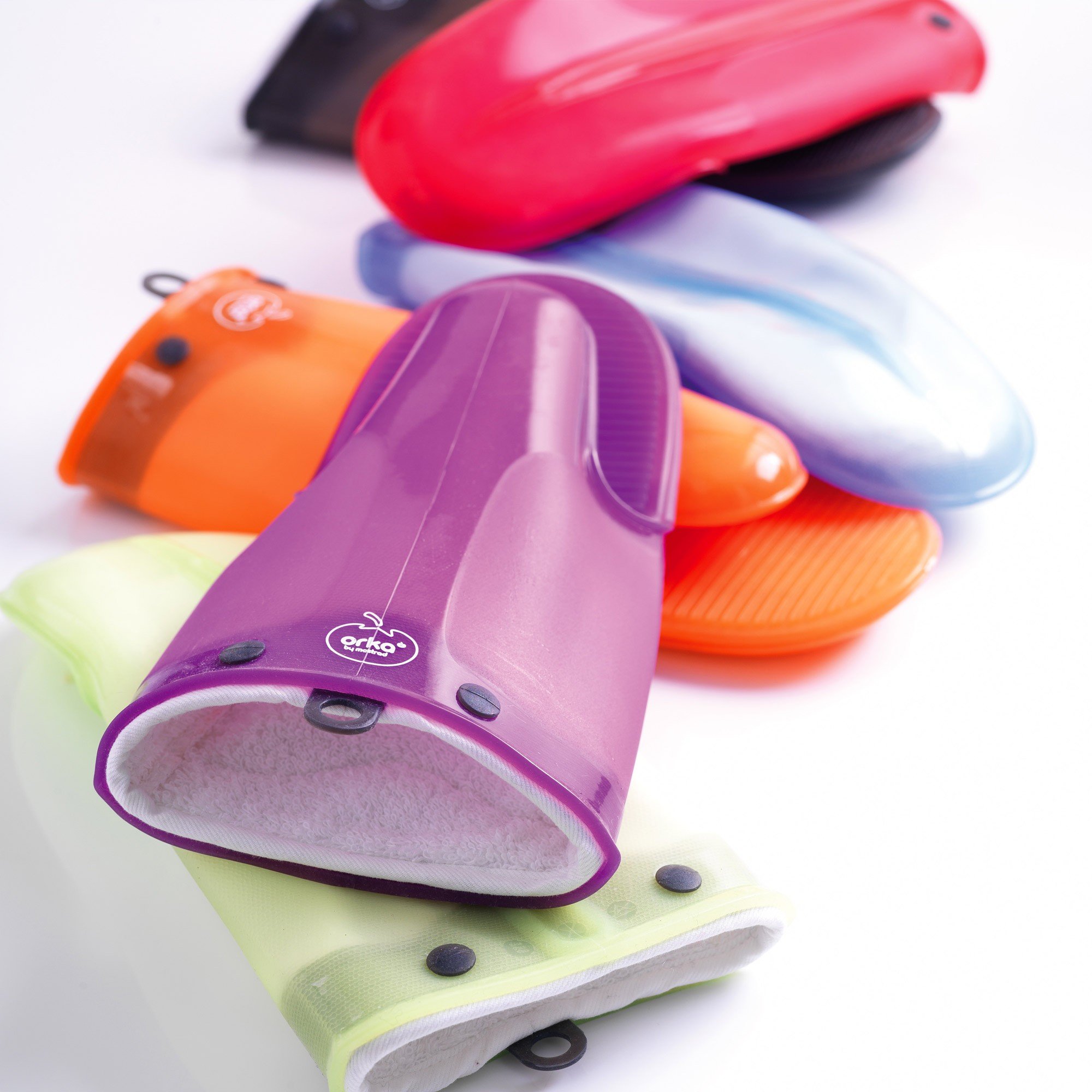
Grease splashing from a hot pan, steam from a kettle, the edge of a pot or boiling water while straining noodles - it is not difficult to get burned in the kitchen. Even minor burns can be quite painful, so it is important to know how to protect yourself and, if an accident does occur, how to help someone quickly. This knowledge is useful not only for experienced cooks, but above all for beginners in their culinary experiments, since it is in their case that various accidents occur most frequently.
How can burns be prevented?
Ideally, of course, burns should not occur. Both our grandmothers and health and safety experts could tell us a lot about safe cooking. And although we usually take this kind of advice with a pinch of salt, sometimes it's worth putting it into practice.
What do you need to keep in mind, especially if you are an inexperienced cook or cooking with children?
- Try to get in the habit of gripping all hot pots and pans using only a glove or oven mitt. This is the surest way to avoid getting burned. Use oven mitts to move hot pots or lids, and gloves must be worn before removing a casserole or a cake from the oven - this is important because a long glove protects not only your hand but also your forearm from the hot air coming from behind the open door.
- Never reach with your exposed hand over a pot of boiling water or soup - the hot steam can severely burn your skin! Wear a protective glove or reach your hand next to the pot.
- Try not to drop chopped vegetables into boiling water from a great height or pieces of meat into a pan of melted fat, as splashing oil or hot water can burn you badly.
- Watch out for gusts of hot air - not only when you open the oven, but also the dishwasher - if it has just finished its washing cycle.
Which oven glove should you choose?
Traditional, made of fabric, or modern, silicone or neoprene - which kitchen g love should you choose? Each has its advantages and disadvantages, which are worth knowing before making a decision. The original design, colour and shape of the hand protector is also important, as a well-chosen accessory can also decorate the kitchen. Remember that both hands need to be protected, so it is best to get two gloves as a set.
| Type of glove | Advantages | Disadvantages |
|---|---|---|
| Material |
|
|
| Silicone |
|
|
| Neoprene |
|
|


Home remedies for burns
If a burn has already occurred, it is good to know how to help yourself or the injured person. Of course, in the case of severe burns, you will need the help of a specialist, but when dealing with a minor injury, home remedies are sure to bring relief.
Important!
- The most effective way to relieve the pain immediately is to place the burned area under a jet of cold water - but it should not be very cold, just cool. Cool the burned skin in this way for several minutes until the pain subsides significantly. Instead of water, you can also use other cold liquids, e.g. tea or milk, or even a slice of raw potato for minor, light burns.
- The next step is to dry the burned skin thoroughly with sterile gauze and apply a dry dressing (if the burn is extensive). The dressing should be changed once a day to prevent infection.
- Home remedies for soothing the burned skin (in the case of light 1st or 2nd degree burns) are infusions of chamomile, calendula and elderberry. Soak cotton wool in the infusion and gently wash the skin several times a day. These herbs have soothing, regenerating and disinfecting properties on the skin.
- Soothing preparations from the pharmacy such as aloe vera gel or calendula ointment will also speed up the healing of burns. However, these can only be used if there is no open wound on the skin.
- A compress made of gauze dipped in milk can also help with burns, as the fat in the milk relieves the pain and speeds up the healing process. The milk should, of course, be cold and... full-fat.
- To prevent scarring, apply lavender oil mixed with olive oil or liquid vitamin E capsules to the dried skin at the burn site. Apply these preparations to the burned skin about three times a day.
Important!

How to protect countertops from heat?
Hot pots, dishes, steam and heated grease can be dangerous not only for the cook, but also for kitchen appliances. If you want your kitchen to shine new for a long time, follow a few simple tips. Some of these recommendations should already be taken into account at the design stage of your flat or house.
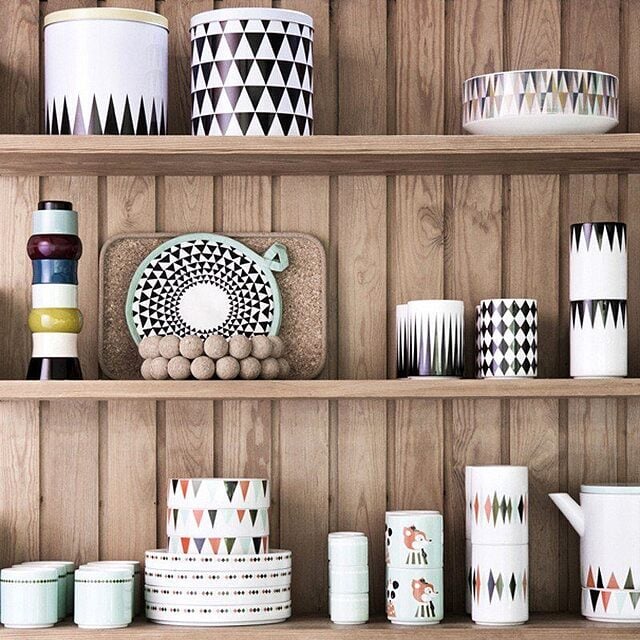
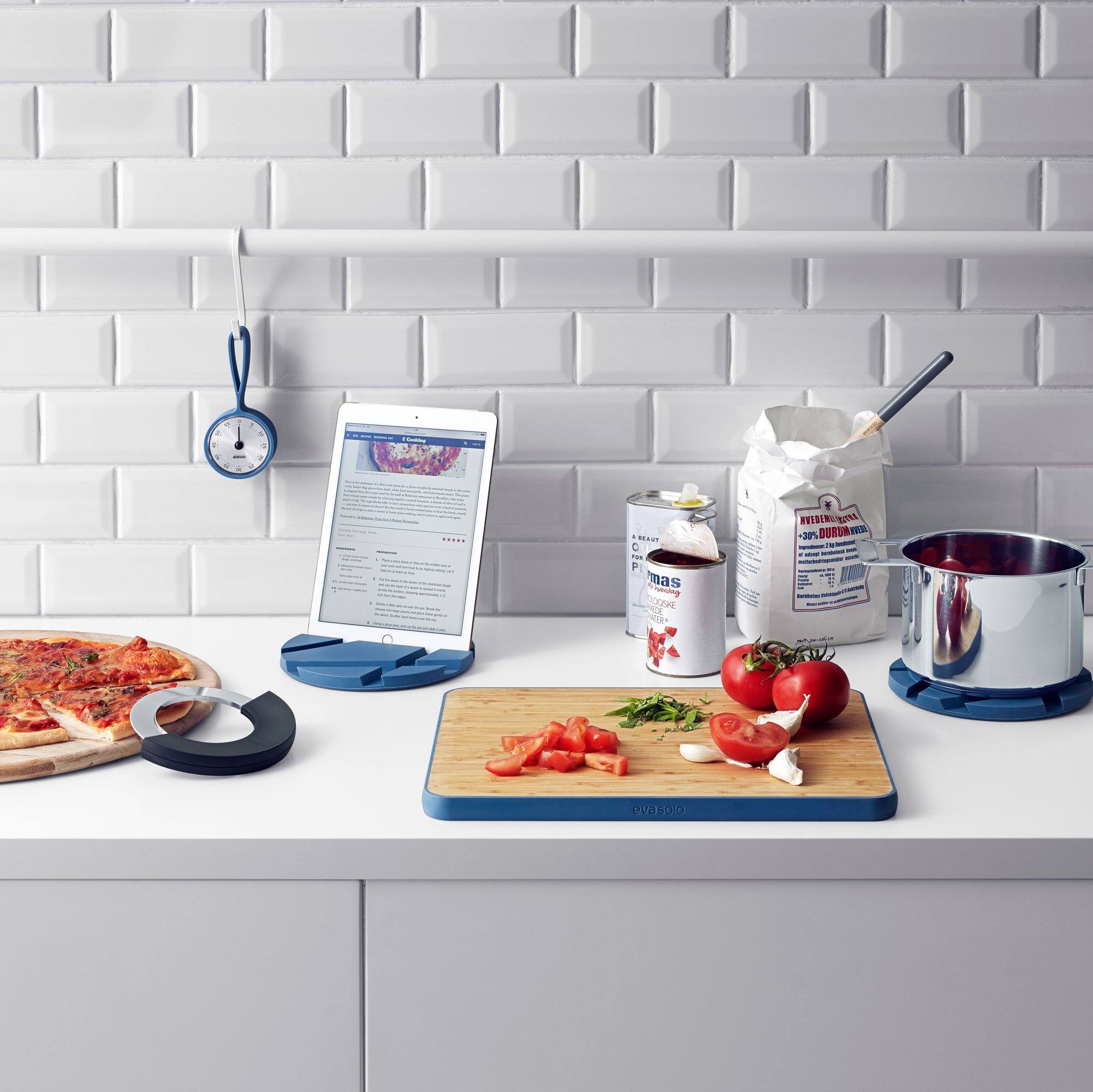
- Kitchen worktops need the most protection, because hot pots and pans can leave unwanted marks. Always remember to use hot pot holders - it's worth having a few on hand so that you don't have to search for them in a panic in your kitchen drawers at the crucial moment. Decorative saucers will also look beautiful on the living room or dining room table.
- Proper ventilation in the kitchen is important - wooden cabinets or worktops are sensitive to airborne water vapour. Moisture can cause the furniture to warp and change colour. Therefore, always remember to switch on the cooker hood (it should work not only during cooking, but also some time afterwards), clean the ventilation grilles regularly and ventilate the kitchen.
- Hot tea, coffee or milk spilled and left on the worktop can also cause unsightly stains. Therefore, wipe surfaces dry immediately after spilling with a soft cloth or kitchen towel.
- Neither the oven nor the dishwasher should be opened immediately after cooking or washing. The hot steam will then settle on the furniture and have an adverse effect on it.

Which hotplate should I choose?
The ideal hot plate should first and foremost be able to insulate and protect our table tops and tables from heat. However, its shape, colour and material are also important, as it is also a decorative element. Depending on your needs, you can choose a saucer that is folded, quilted or one that adjusts itself to the size and shape of the dish.
Modern saucers made of plastic
They are the most heat-resistant, colourful and come in a wide variety of shapes. As a result, there is something for everyone among the plastic coasters. In small kitchens, folding saucers will be desirable, saving valuable space in the kitchen.
Advantages:
- Variety of colours and shapes.
- Modern design.
- High temperature resistance (up to +340 ˚C).
- Easy to keep clean.
- Stretch models adapt to the size of the dish and take up little space in the kitchen cupboard.
Disadvantages:
- They fit mainly into modern interiors. In vintage kitchens, wooden or metal coasters would look better.


Classic wooden coasters
They will look beautiful in retro, vintage or classic interiors. Made of natural pine or oak wood, or practical plywood, they insulate hot dishes from the surface of the table or tabletop, and at the same time look elegant and timeless. Coasters in which fine woods such as teak are combined with stainless steel elements look particularly stylish.
Unusual coasters for connoisseurs
If you are looking for something really unusual, check out the range of coasters made of raw stone. The simple shape, natural, muted colour and unusual texture make this accessory look great in modern interiors where every detail matters. The stone coasters can also be used as a plate, e.g. for sushi, cheese or other snacks, as well as a glass or cocktail glass holder.
Attractive and functional gadgets can not only function as protection from burns or heat, but also as an aesthetic, eye-catching detail that adds to the uniqueness of your kitchen. They are worth bearing in mind when decorating a flat or house. They will also make the perfect gift for newly-acquired homeowners.