Designers are hailing wabi-sabi as the new trend for 2018, set to replace the hygge and lagom that have triumphed in recent years. However, wabi-sabi is not only a love of cosiness, but above all a philosophy of life, from which the choices we make are to be derived - also when it comes to interior design. These two pleasant-sounding Japanese words, which offer us the joy of simplicity, true nature and authenticity, are not only an antidote to unbridled consumerism but also familiarise us with the inevitable passing of time.
A legend still alive today
Wabi-sabi, or the delicate cracks of reality
A Japanese legend telling the story of a young man named Sen no Rikyu captures the essence of wabi-sabi. Rikyu was trying to learn the complicated customs known as the Way of Tea, so he went to the tea master Takeeno Joo. The latter asked him to take care of the garden. Rikyu tidied up the garden and then looked at the immaculate space before presenting his work to the master by shaking a cherry tree and sprinkling some of its flowers on the ground. To this day, the Japanese remember Rikyu as the one who understood the idea of wabi-sabi to its depths
The aesthetics of transience
Wabi-sabi was born in the 15th century and was a reaction to the prevailing aesthetics of glamour, ornamentation and rich materials. According to this philosophy, joy is to be derived from everything that is in harmony with the natural mode of existence, which is constantly striving towards destruction. In this light, the imperfect is perfect: a beautiful mug with a chipped ear, in which our mother used to serve us tea, a comfortable chair with a seat marked with the marks of our bodies, walls revealing the history of the house under successive layers of paint... In Japan, the aesthetics associated with this perception of the world is natural. In Europe, we can learn it and create it in such a way that we feel at ease. Here are 5 simple ways to achieve a state of perfect imperfection in interiors.
Only the essentials
Japanese minimalism
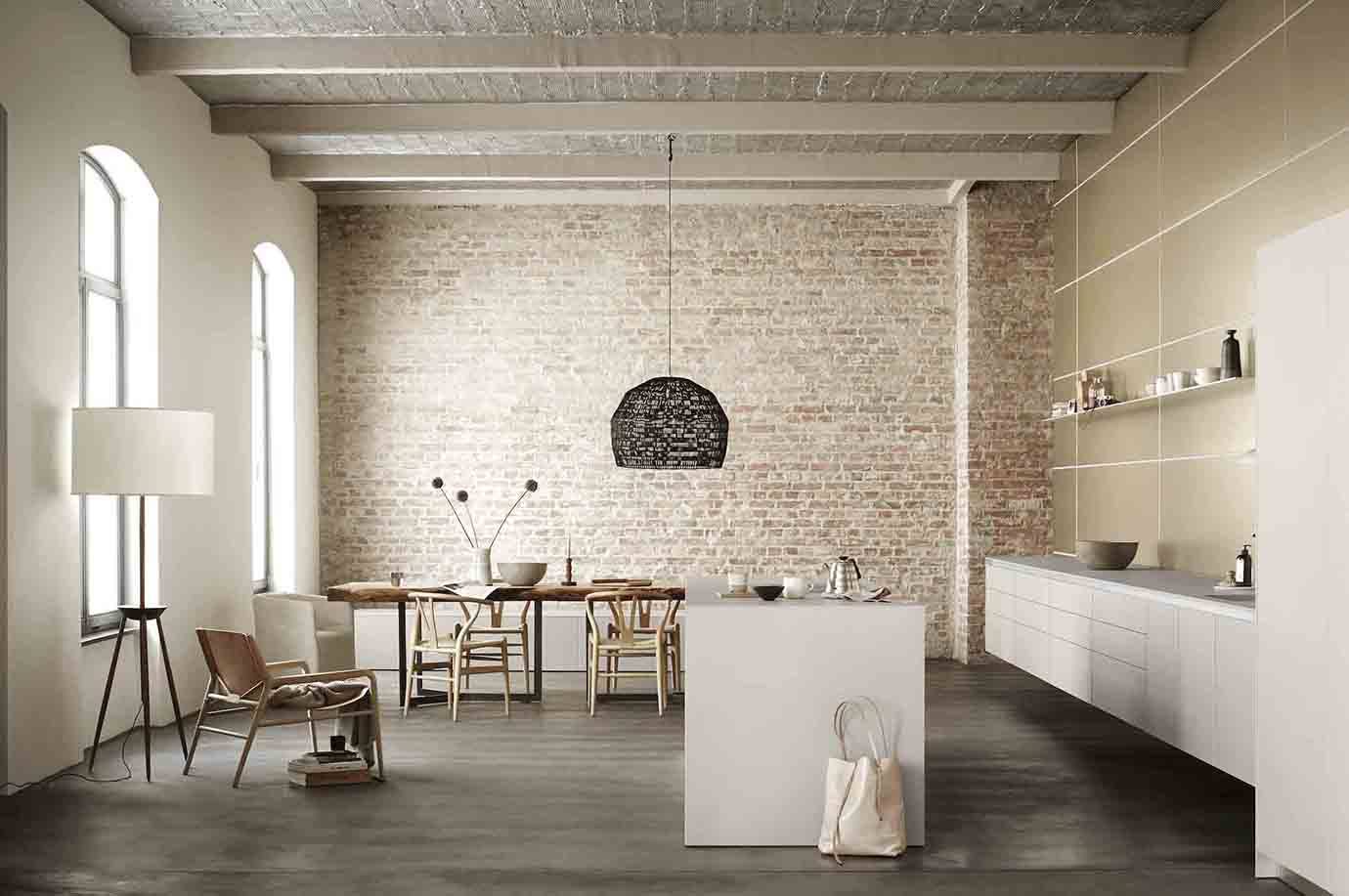
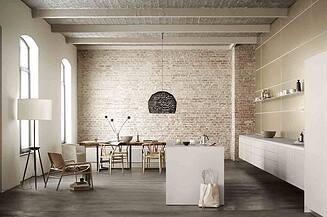
In interiors arranged in accordance with this Japanese aesthetic, it is above all important to exercise restraint. There should be exactly as much furniture, equipment and decoration as we need to be comfortable: a sofa and armchair in the living room, a soft carpet in the living room and a large wooden bed with natural bedclothes in the bedroom. Any excess will unnecessarily complicate a space that is supposed to offer respite after a day at work in a world overrun by excess.



Back to nature
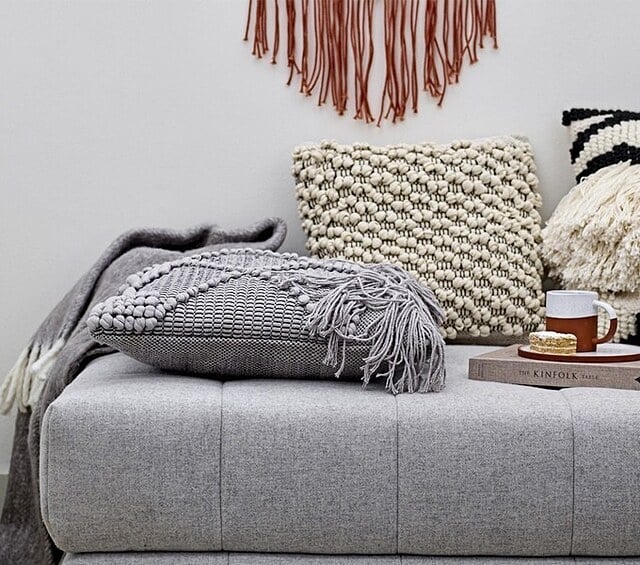
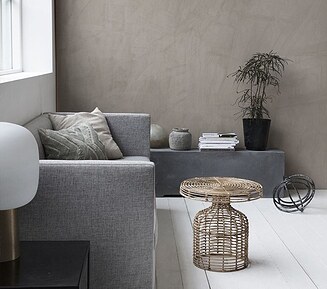
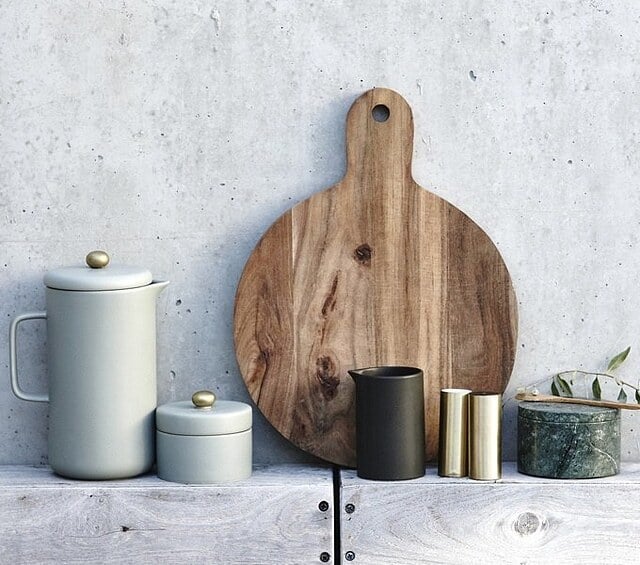
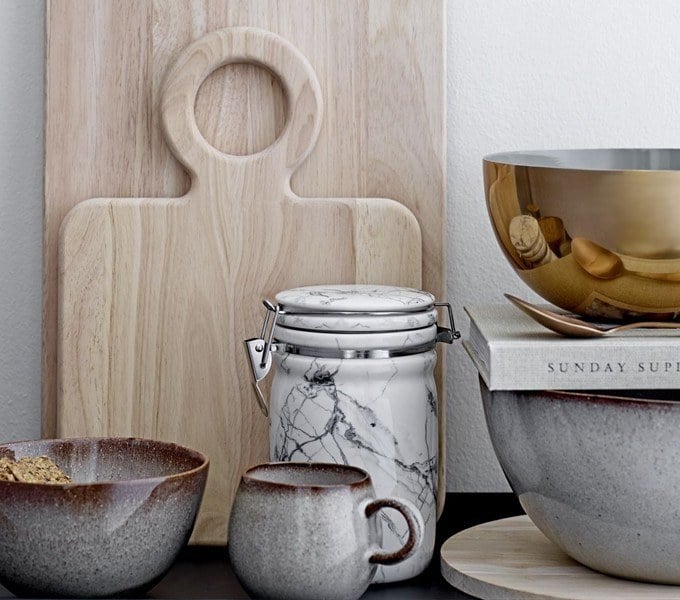
There are many aspects to 'back to nature': from natural materials such as wood, stone, wicker, cotton and linen textiles and ceramics, to finding your own voice in the interiors you furnish. Inspiration can come from combining raw industrial style with rustic elements. By returning to nature, or our roots, we will become more attentive and begin to see the beauty in the smallest objects.
Neutral colours
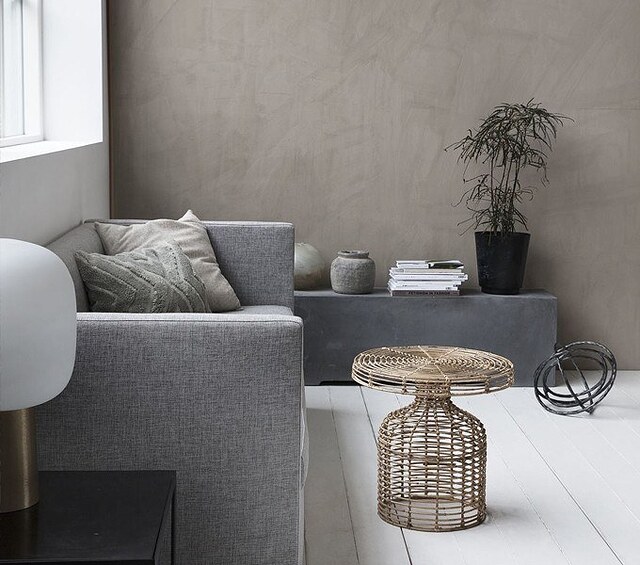
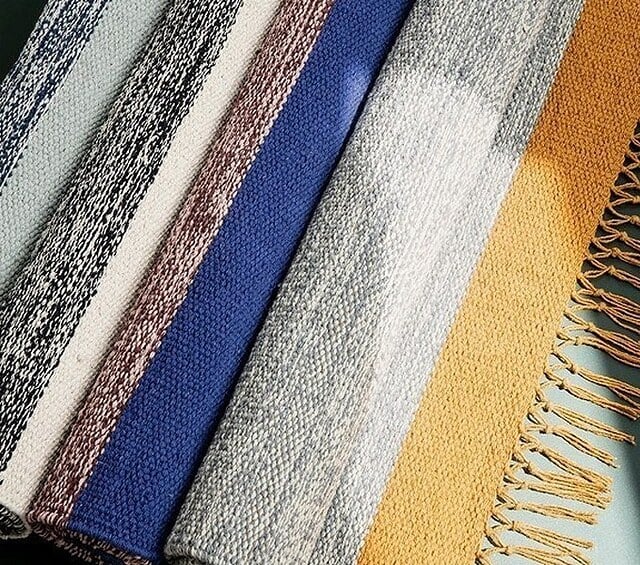
Wabi-sabi interiors are dominated by neutral and earthy tones: whites and greys combined with browns, ochres and muted greens. This combination makes the interiors "breathable" and spacious and, instead of being overwhelming, inviting you to immerse yourself in their cosy atmosphere.

Handmade
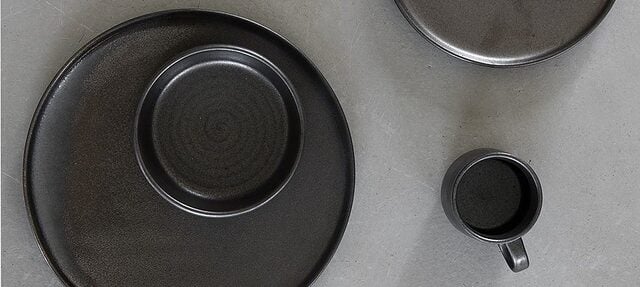
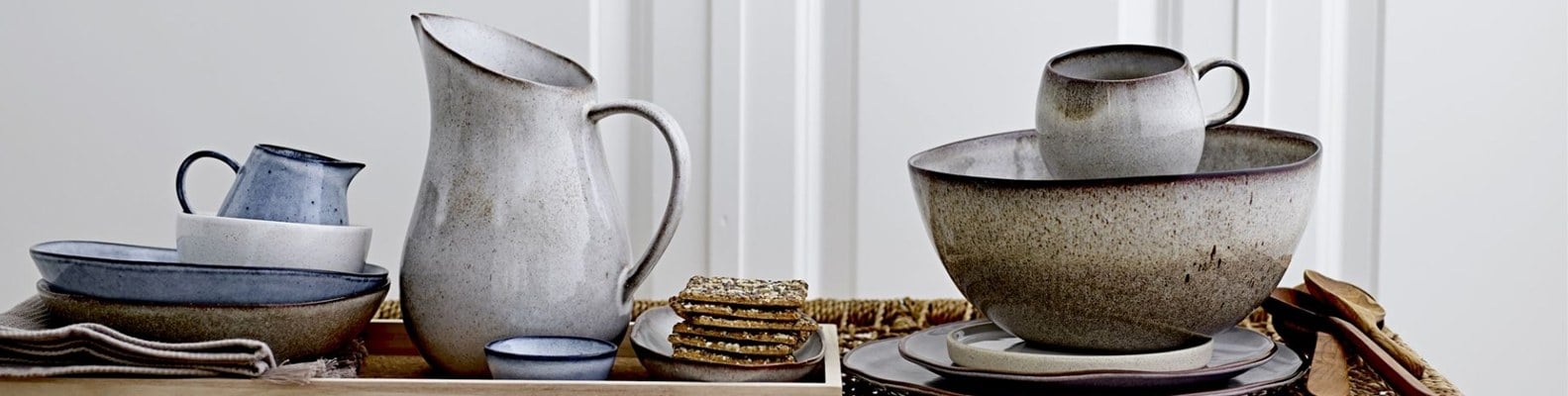
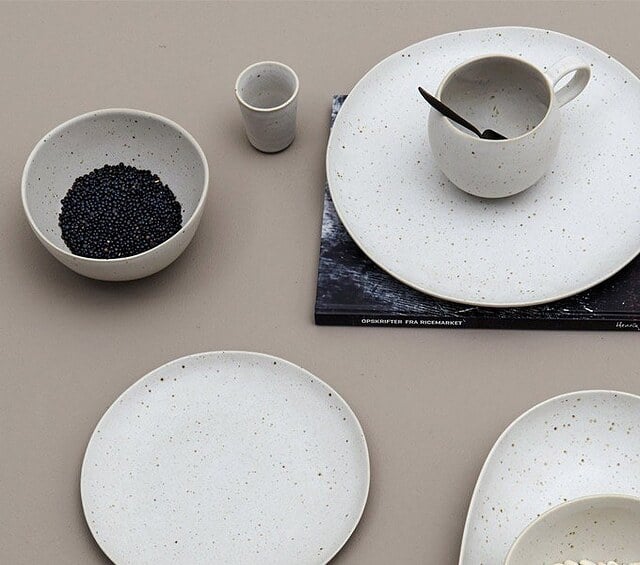
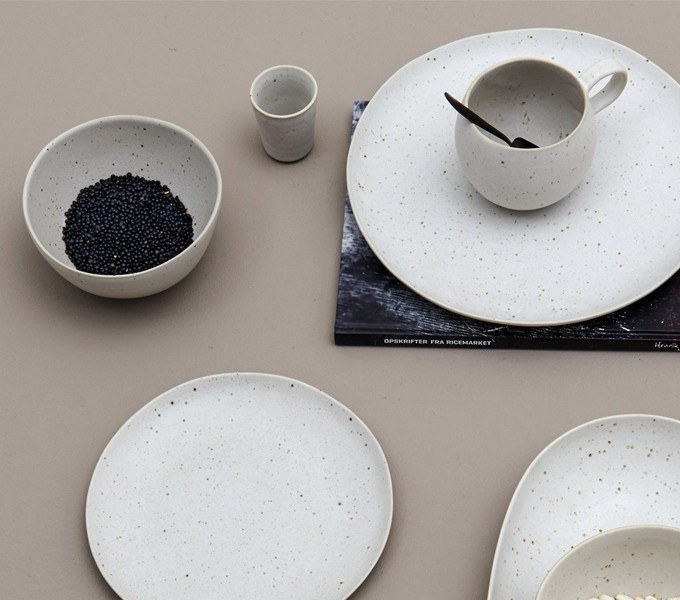
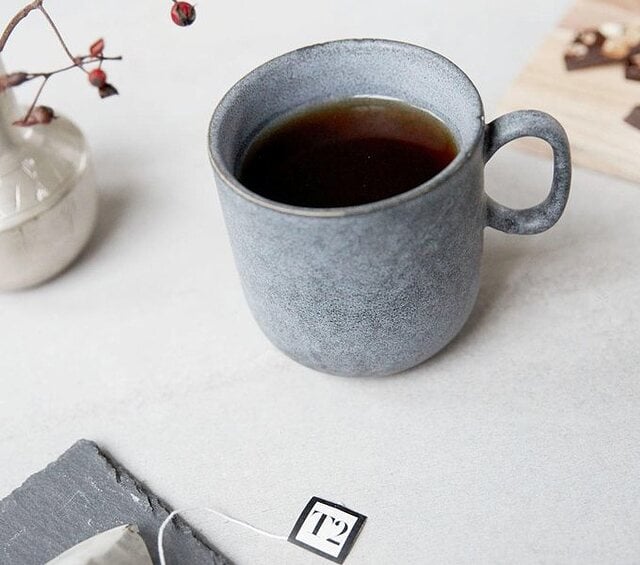
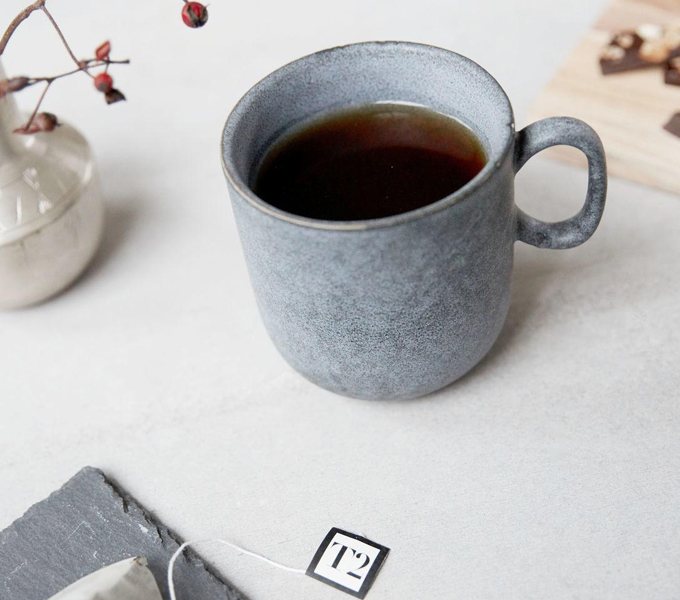
Decorations are only handmade, bearing the traces of human hands, with irregular textures, even those that do not match. Ceramic mugs, for example, will be perfect, especially those made of stoneware. One of the manifestations of wabi-sabi is also the Japanese art of kintsugi, which consists of repairing broken ceramics by means of laka with the addition of powdered gold or silver. Such vessels can be found, for example, in the collection by Marcantonio for the Seletti brand.


Objects worn down by time
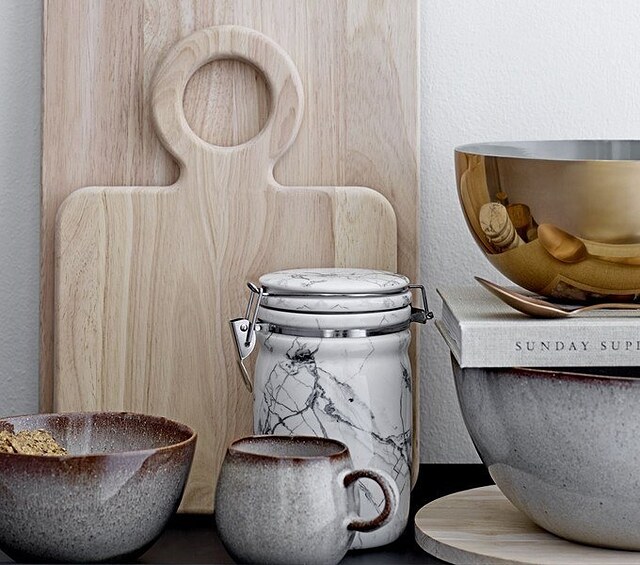
In a house decorated in the spirit of wabi-sabi, you can see that someone lives there and you can even recognise which objects and places this person likes best. What matters in such a home is the emotion, the positive atmosphere, not the value of the objects in it. Although this may sound overly philosophical, it hides the truth of what is most important in life - and in objects it is the memories associated with them.
Simple, transient beauty...