Delicious, Healthy, Colorful – these three words perfectly describe a Buddha bowl, a nutritious meal packed with vitamins and minerals, a true powerhouse of goodness. Discover recipes for delicious Buddha bowls.
What is a Buddha Bowl?
A Buddha bowl...
can be literally translated as Buddha's bowl. According to legend, Buddha would rise before dawn each day and wander from house to house with his bowl, into which kind people would put whatever they had to offer. These were usually vegetables, fruits, legumes, and grains – everything but meat. In a looser translation, a Buddha bowl is simply a bowl of health and abundance. It's a wholesome and well-balanced meal, rich in valuable nutrients essential for the proper functioning of our bodies. A Buddha bowl is the kind of dish that will strengthen everyone and fill them with positive energy.
There isn't one specific recipe for a Buddha bowl. However, it is a meal whose ingredients are chosen according to a specific scheme to provide the body with everything it needs. Therefore, a Buddha bowl should consist of ¼ grains, ¼ protein, and ½ vegetables. It also can't be without healthy fats, various additions like nuts or seeds, and dressings – which perfectly enhance their flavor. When composing a Buddha bowl, try to choose ingredients with different textures and consistencies, i.e., soft and crunchy, sweet and sour – to ultimately achieve an interesting combination of flavors and visuals. An important element of the bowl of abundance is also the preparation of individual additions. Therefore, add raw vegetables, cooked rice or groats, baked meat, grilled fish, and nuts or seeds – toasted in a dry pan. This way, you'll create a diverse meal combining a multitude of nutritional values and a huge array of different flavors that, when put together on one plate, will delight many a palate.
Looks matter too :)


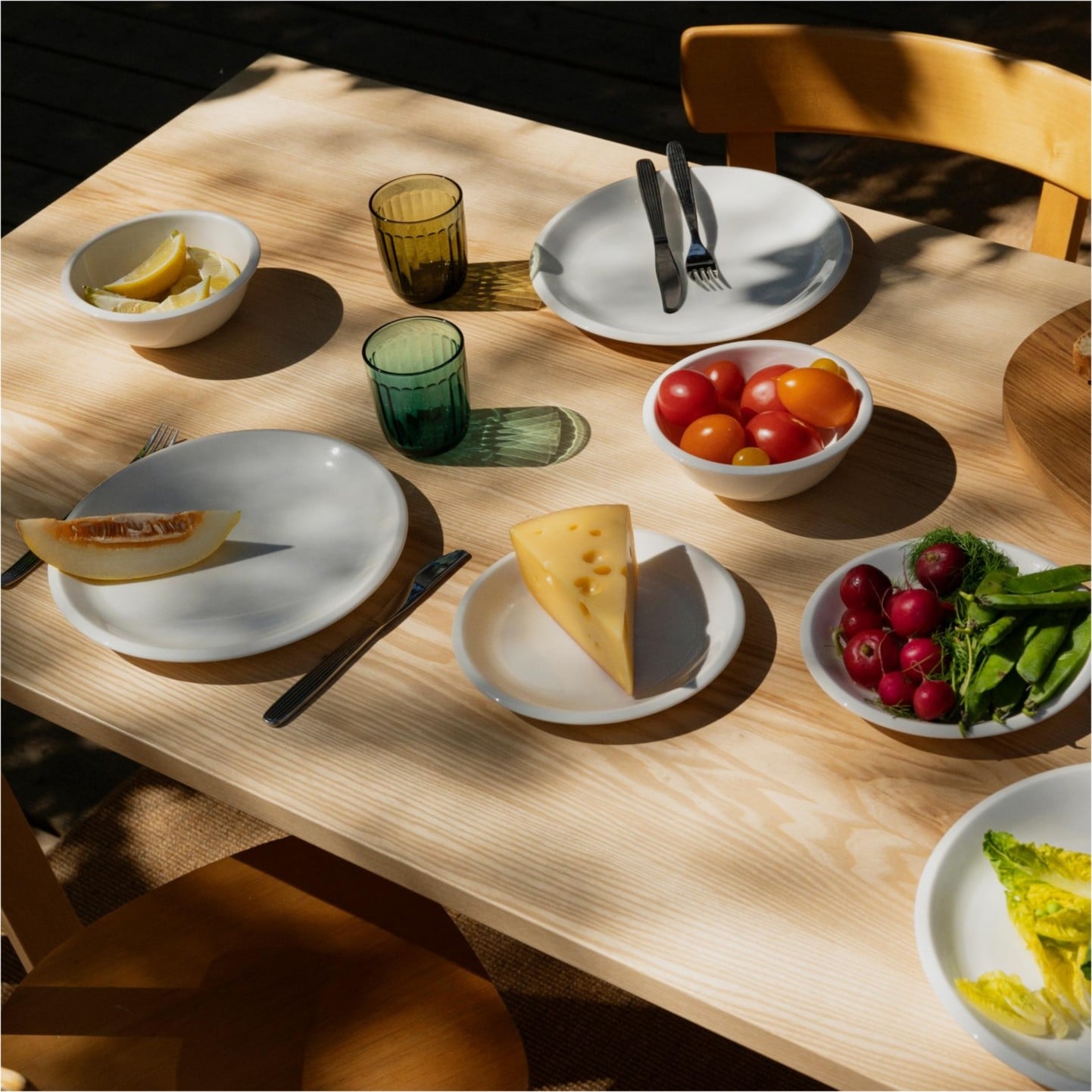
How to serve Buddha bowls? These types of meals look best in flat, wide bowls. This allows all ingredients to be evenly spread out and effectively showcased in the dish. It's a great idea for both a healthy dinner at home and lunch for work, delighting not only with a richness of flavors but also a riot of colors. Wondering how to make a Buddha bowl? Below you'll find our suggested vegetarian and non-vegetarian recipes for colorful and tasty bowls of health.
Buddha Bowl with Rice Noodles and Salmon
Ingredients:
- 0.5 cup couscous
- 0.5 broccoli head
- handful of green beans
- 1 carrot
- 0.5 red bell pepper
- piece of baked salmon
- handful of peanuts
Dressing Ingredients:
- 3 tablespoons natural yogurt
- 1.5 tablespoons Dijon mustard
- 1.5 tablespoons lemon juice
Preparation:
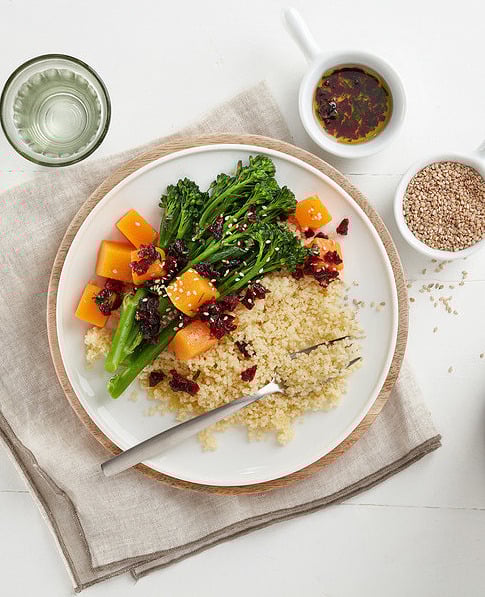
Wash the broccoli and divide it into florets. Wash the green beans, trim the ends, and cut into smaller pieces. Cook the broccoli and green beans in salted water until tender. Cut the carrot into thin strips, preferably using a vegetable and fruit peeler. Clean the bell pepper and cut it into small strips. Divide the salmon into smaller pieces. Rinse the couscous with hot water in a fine-mesh sieve. Put it into a bowl, add a pinch of salt, and pour in ¾ cup of boiling water. Cover and let stand for 5 minutes. Prepare the dressing. Put the yogurt, mustard, and lemon juice into a dressing shaker and shake vigorously. Arrange all ingredients in a bowl or salad bowl, sprinkle with peanuts, and finally drizzle with the dressing.




Buddha Bowl with Chicken Breast and Quinoa
Ingredients:
- 0.5 cup quinoa
- 1 baked chicken fillet
- 2 handfuls of spinach
- 0.5 head of romaine lettuce
- 1 avocado
- 1 tablespoon lemon juice
- a handful each of cress and broccoli sprouts
Herbal Yogurt Sauce Ingredients:
- 150 ml thick natural yogurt
- 1 teaspoon chopped fresh mint leaves
- 1 teaspoon chopped dill
- 1 teaspoon chopped parsley
- 0.5 teaspoon chopped chili pepper
- 1 teaspoon lemon juice
- 1 small garlic clove
- pinch of salt and pepper
Preparation:
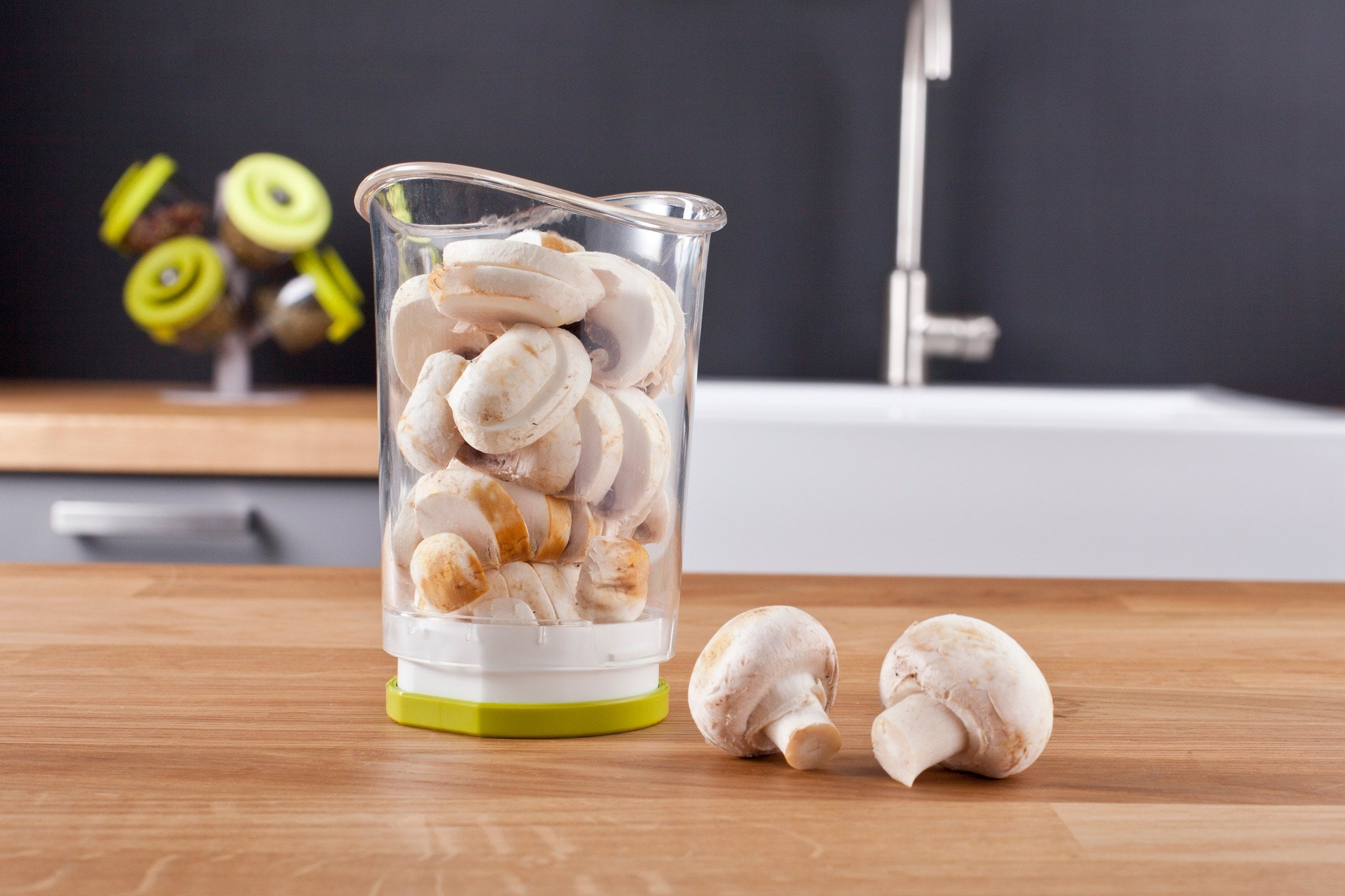
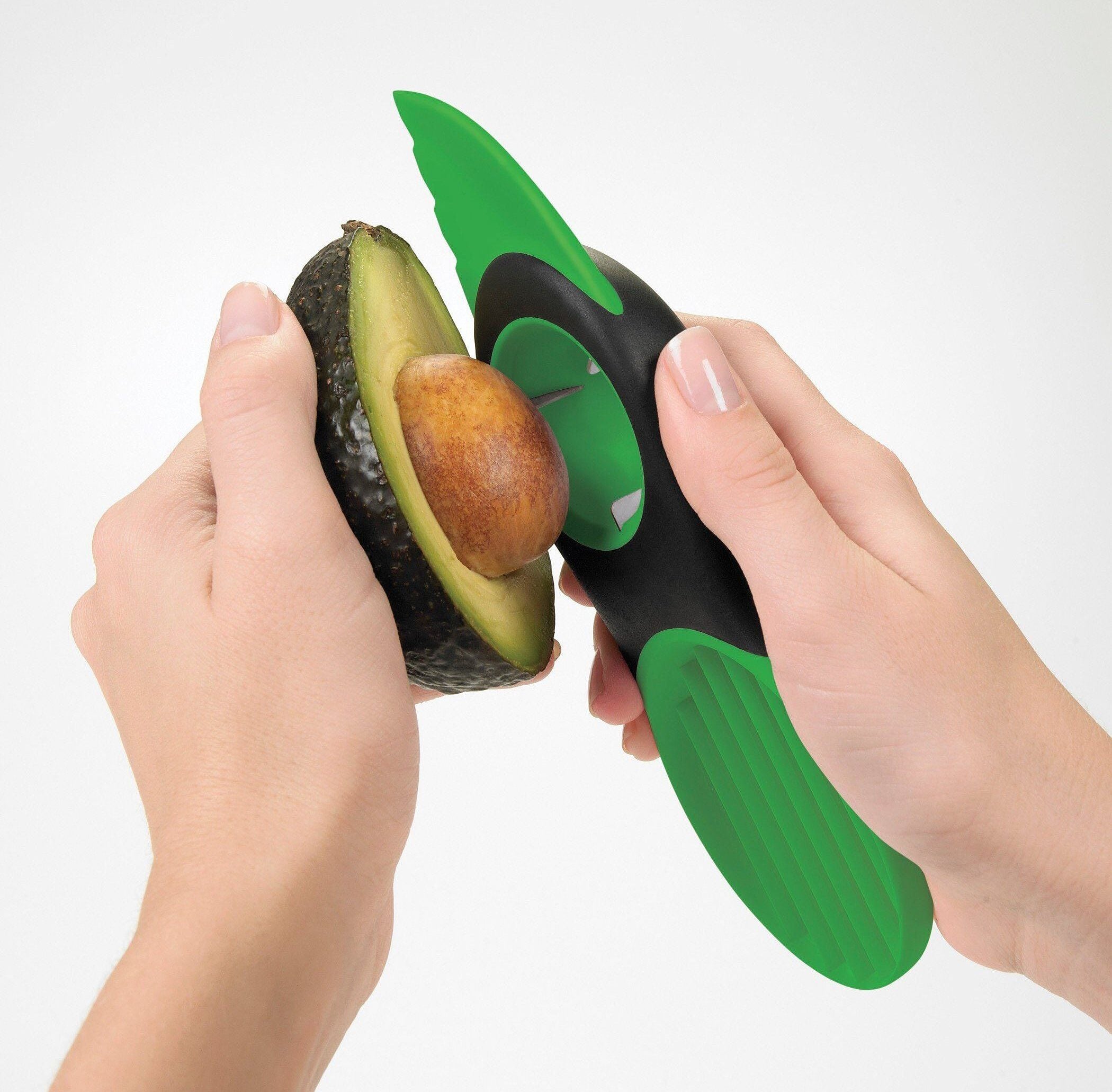
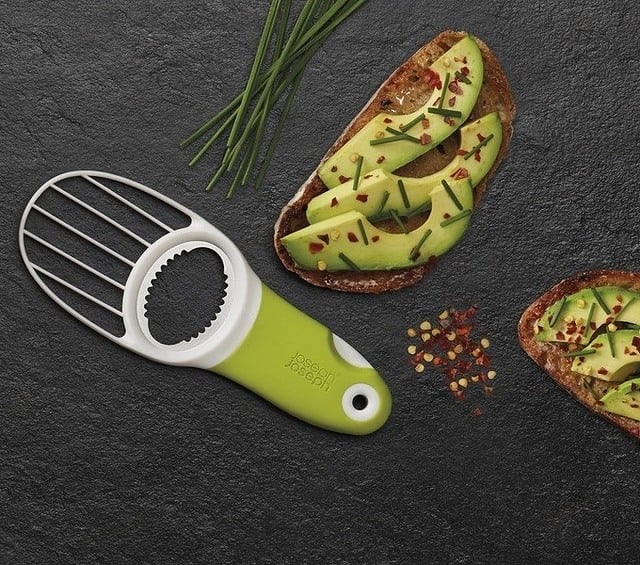
Rinse the quinoa thoroughly in a fine-mesh sieve. In a pot, boil 1 cup of water with a pinch of salt. Add the rinsed quinoa to the boiling water, cover the pot, and cook for about 15 minutes over low heat, covered. Remove the pot from the heat, leave the quinoa covered for another 10 minutes to allow the remaining water to absorb. Tear the romaine lettuce into smaller pieces. Peel the avocado, slice it thinly, and drizzle with lemon juice. Slice the chicken breast thinly. Prepare the sauce. Press the garlic through a garlic press. Pour the yogurt into a small bowl, add garlic, chili, herbs, and lemon juice. Mix, season with a little salt and pepper. You'll streamline your kitchen tasks if you equip yourself with functional graters and shredders, with which you can chop vegetables or herbs for dressing in a flash. First, put the quinoa into a bowl, then arrange the spinach and romaine lettuce, followed by avocado and chicken breast. Sprinkle the whole thing with sprouts and drizzle with the herbal yogurt sauce.




Lunch Recipes
Buddha Bowl with Bulgur and Roasted Chickpeas
Ingredients:
- 0.5 cup bulgur groats
- 0.5 cup cooked chickpeas
- 4 tablespoons sunflower seeds
- 1 avocado
- 1 tablespoon lemon juice
- handful of spinach
- spices for roasting chickpeas: cayenne pepper, dried garlic, cumin, smoked paprika, salt
Paprika Dressing Ingredients:
- 1/3 chili pepper
- juice squeezed from 1/3 lemon
- 3 tablespoons olive oil
- 2 tablespoons water
- 3 coriander seeds
- salt and pepper
Preparation:
Rinse the bulgur groats in a sieve, put into a pot, add a cup of salted water, and bring to a boil. Cook the groats for about 15 minutes. Mix the cooked chickpeas with the spices. Spread them on a baking sheet lined with parchment paper. Place the baking sheet in an oven preheated to 220 degrees Celsius and bake for 20 minutes. Toast the sunflower seeds in a dry pan. Add them to the cooked bulgur groats. Slice the avocado and drizzle with lemon juice.
Prepare the dressing. Peel the garlic, put it into a mortar or press it through a garlic press, add coriander seeds, chopped pepper, salt, and pepper. Grind thoroughly. Add lemon juice. Grind again. Finally, pour in the olive oil and water. Mix. In a bowl, arrange in order: washed spinach leaves, bulgur with sunflower seeds, chickpeas, and avocado. Drizzle the whole thing with the paprika sauce.



Buddha Bowl with Roasted Beef
Ingredients:
- 80 g rice noodles
- 300 g beef steak (sirloin, roast beef, or ribeye)
- 0.5 head of romaine lettuce
- 2 handfuls of arugula
- 8 cherry tomatoes
- 1 red onion
- spices: thyme, rosemary, salt, pepper
Vinaigrette Sauce Ingredients:
- 4 tablespoons olive oil
- 1 tablespoon lemon juice
- 2 tablespoons chopped parsley
- 1 teaspoon mustard
- salt and pepper
Preparation:
Rub the beef with salt, pepper, rosemary, and thyme. Sear the meat in a hot pan. Then transfer it to a roasting pan and place it in an oven preheated to 80 degrees Celsius. Roast for 60 minutes. Remove the meat from the oven and let it rest for 5 minutes. Slice the beef into fairly thin pieces. Pour boiling water over the rice noodles, cover, let stand for a few minutes, then drain. Halve the cherry tomatoes. Tear the romaine lettuce into smaller pieces, mix with arugula, wash, and dry in a salad spinner. Peel the onion and slice it into thin feathers. Prepare the sauce. Pour lemon juice into a small bowl, add salt and mustard. Mix. Add olive oil. Mix. Finally, add parsley and pepper. Arrange on a plate in order: noodles, beef, arugula mixed with romaine lettuce, tomatoes, and onion. Drizzle the whole thing with vinaigrette sauce.


Buddha Bowl with Tofu
Ingredients:
- 0.5 cup jasmine rice
- 1 cup cooked chickpeas
- 100 g tofu
- 0.5 avocado
- 1 teaspoon lemon juice
- 0.5 long cucumber
- 1 carrot
- handful of fresh spinach
- 5 radishes
- sesame seeds for sprinkling
- 1 tablespoon olive oil
- spices for roasting chickpeas: salt, sweet smoked paprika, hot paprika
Preparation:
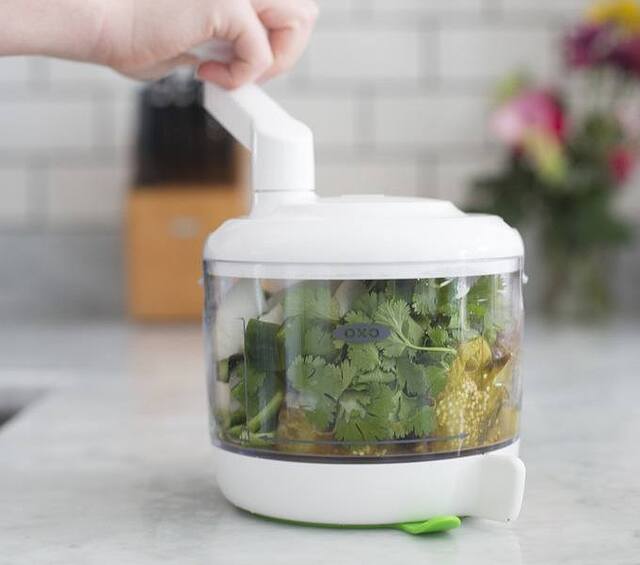
Rinse the rice with warm water. In a pot, boil 1.5 cups of water with 1.5 tablespoons of oil and a pinch of salt. Add the rice to the boiling water, stir, cover with a lid, and cook for 12 minutes. Turn off the heat, leave the pot covered for another 10 minutes. Mix the cooked chickpeas with olive oil and spices. Toast them in a hot pan. Peel the avocado and slice it. Drizzle with lemon juice. Cut the peeled carrot into sticks, the cucumber into strips, and the radish into slices. Cutting, chopping, and shredding ingredients will be much easier if you equip yourself with a functional food processor or shredder. Cut the tofu into small cubes. In a bowl, arrange in order: spinach, rice, tofu, carrot, cucumber, radishes, avocado, and chickpeas. Sprinkle the whole thing with sesame seeds.

Smoothie Recipes
Incorporate Buddha bowls into your daily menu, and you'll see that your body will thank you with good mood and health.