Beef steak is a classic of American cuisine. Frying the perfect steak is a real art, but one that any of us can master. All you need to do is learn a few simple rules. How long should you fry a steak? How do you prepare a beef steak to taste great? Discover a tried and tested recipe.
Choosing the right meat for a steak
How to fry a steak? One of the guarantees of preparing a perfect steak is choosing the right kind of meat. The better it is, i.e. younger, fresher, from a good grade of beef, the tastier the steak will be. It should be beef from a meaty breed of cow or bull, seasoned. Experts point out that those who prefer the most tender meat in terms of texture and flavour should choose a beef sirloin steak. Roast beef steak, entrecote steak and beef leg steak are also good choices, although it is stressed that steaks from this type of meat will no longer be as tender and juicy, which, however, does not mean less delicious. It is the ideal option for lovers of intense, robust beef flavour.
When choosing your meat, pay attention to the amount of fat. This applies to both the fine fatty deposits inside the meat, the so-called marbling, as well as the fatty layer around the steak. After all, fat is the carrier of flavour and it is the right amount of fat in the meat that makes a fried steak tender, juicy and aromatic.
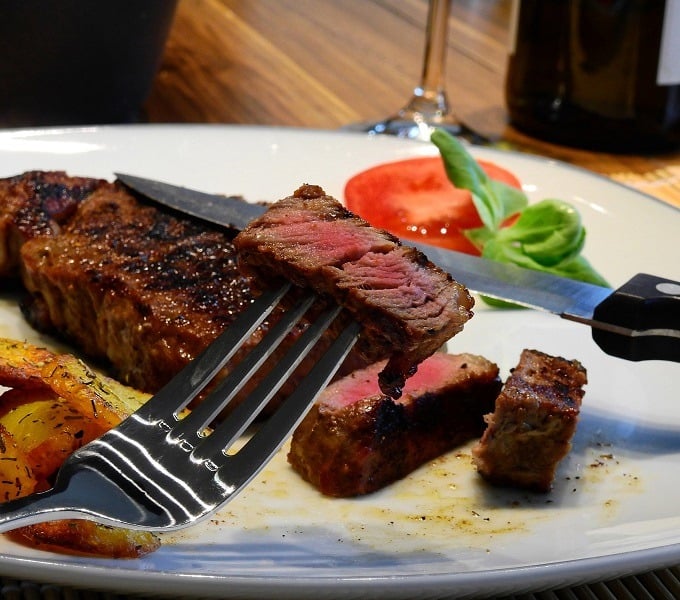
Prepare the meat properly for frying
- Take the meat out of the fridge early enough
Before frying, the steak should be taken out of the fridge at least 30 minutes before the planned heat treatment. It is also a good idea to dry it with a paper towel. How to make a beef steak? Remember never to put cold meat on the pan, as this will rapidly lower the temperature of the pan, which in turn will result in unevenly browned meat. Although it will have a browned colour, it will be cold and raw inside.
- Season the meat before frying
One of the culinary myths is that steak should not be salted before frying. This is not true! It is true that the juices leak out of the meat when it is salted, but seasoning the steak immediately before frying does not affect its juiciness. In addition, the meat tenderises during cooking, so if you do not salt it before you put it in the pan, the salt will not be able to penetrate it. As far as pepper is concerned, it should only be added to the steak after it has been removed from the pan, as the pepper will burn during frying.
Choose the right pan for steaks
The pans are waiting here
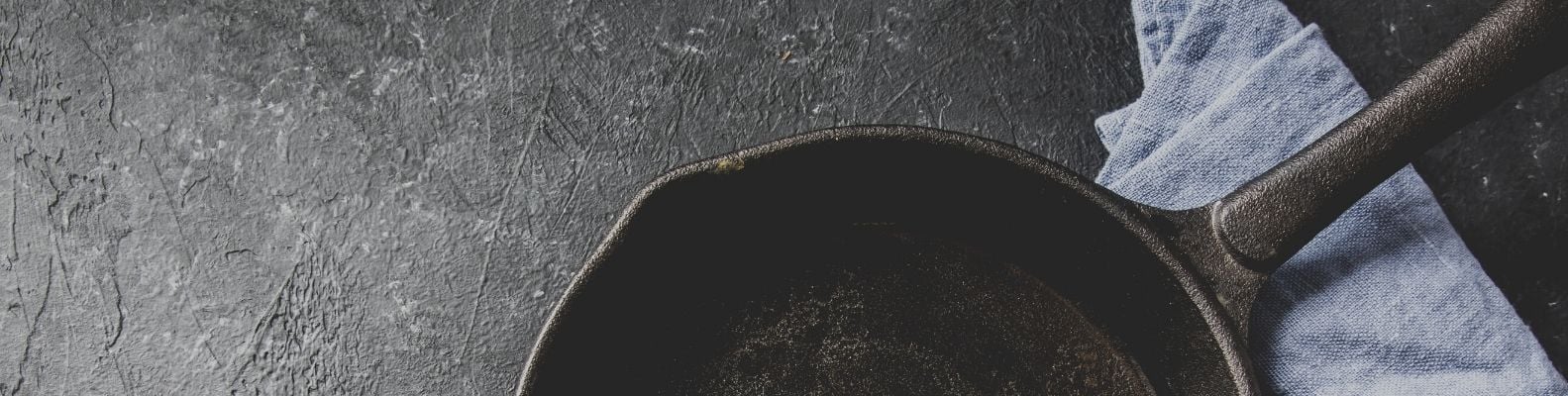
How do you prepare a steak? Another of the guarantees of a perfectly fried steak is to choose a good quality steakpan. It should be a pan with a thick bottom, evenly heated, which accumulates heat and then gives it back to the fried dish. What to fry steaks on?
Steel frying pan
The perfect choice for frying steaks is a steel frying pan, which guarantees great heat distribution and even heating. However, remember to heat and grease the pan very well before frying the meat. The ideal pan for frying steak should be made of high-quality steel and have a slightly thicker bottom.
Read also our guide on how to fry in a pan in a healthy way.


Cast iron frying pan
Cast-iron p ans are heavy and solid and take a long time to heat up, but they hold the heat longer and distribute it evenly. As with a steel pan, care should be taken to ensure that the pan is adequately greased so that the meat does not stick to the surface.


Ceramic pan
Frying steaks in a ceramic-coated frying pan is the perfect way to prepare this meat. Meat fried in a ceramic pan does not stick to its surface and browns beautifully.


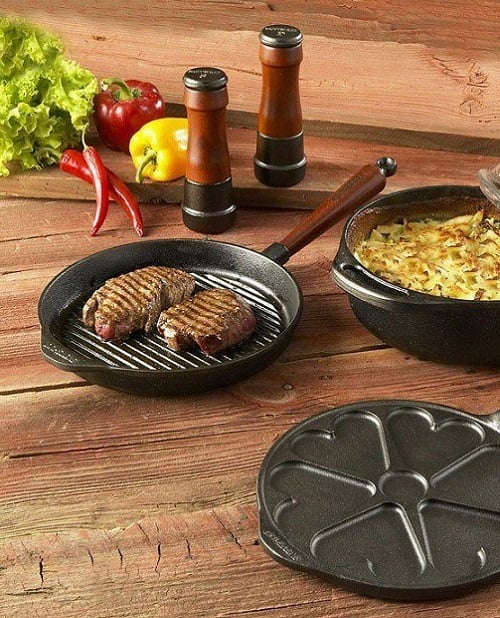
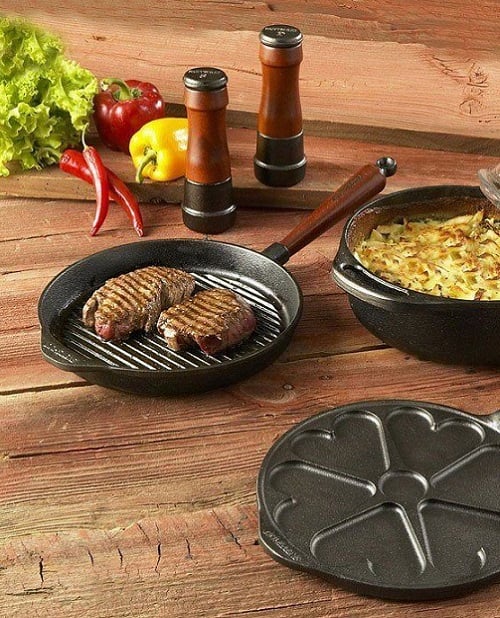
Grill pan
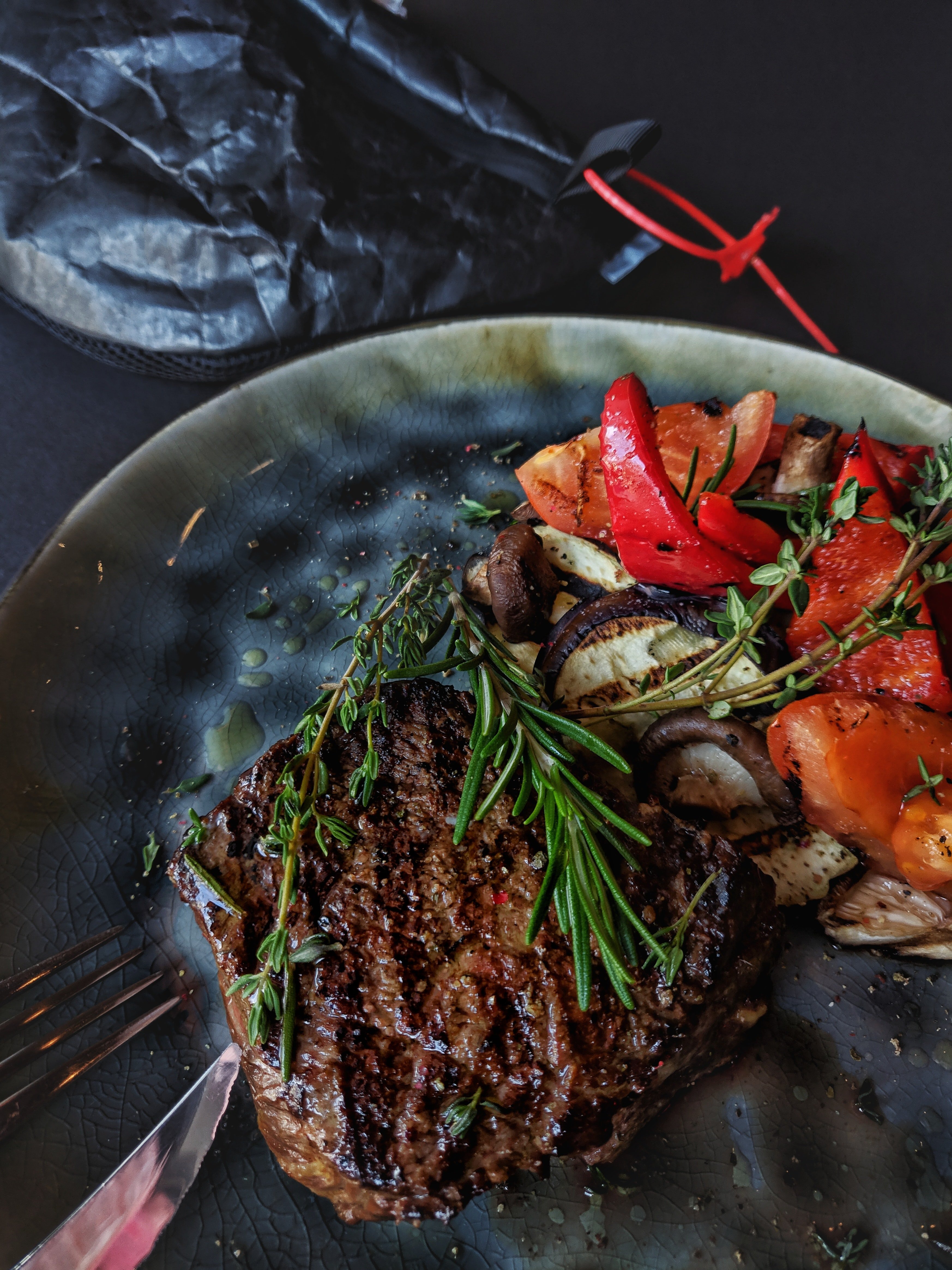
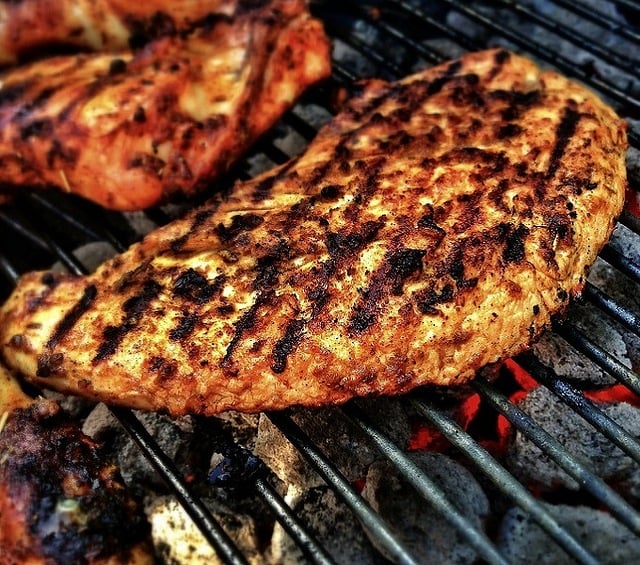
The bottom of a grill pan resembles a barbecue grill, which makes it possible to prepare a flavoursome and juicy steak without using any extra fat. In addition, frying a steak on this type of pan gives an interesting visual effect in the form of a grid on the surface of the meat.
If you are hesitating on which pan to choose, make sure you read our magazine "Grill pan - cast iron or steel?


Information
How to make a steak? Handling the meat while frying
- Choose the right fat
One of the key things to remember when frying steak is to choose the right fat with a high smoke point, as steaks are fried at high temperatures of up to 150 degrees Celsius. Therefore, steak can only be fried in clarified butter, rapeseed oil or refined olive oil. However, it is worth noting that a large amount of fat is not necessary for steaks to brown beautifully, as the reactions of proteins and sugars are responsible for the brown colour, so if you have a non-stick, fat-free frying pan, you can successfully fry the meat on it without adding fat.
- Do not pierce the meat during frying
Use a spatula or tongs, preferably wooden or silicone, to turn the steak to the other side or remove it from the pan. Remember that the meat must not be pricked with a fork, as this will cause all the juices to flow out and thus result in a loss of flavour and aroma.

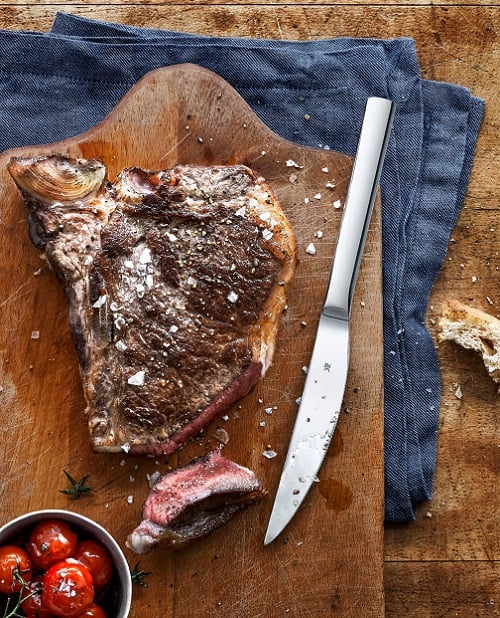

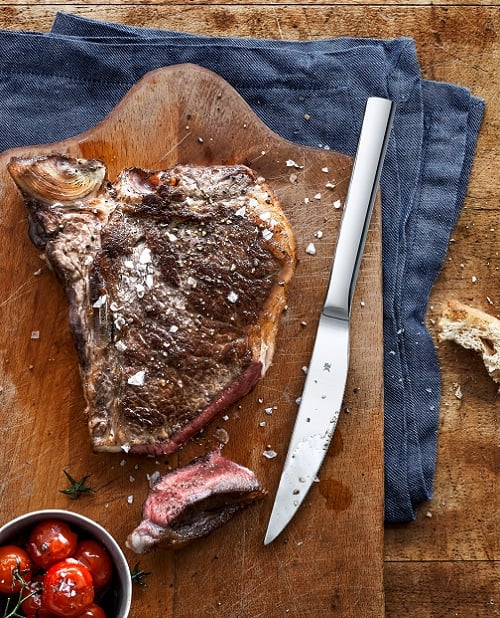
How to make a good steak? Learn about the 6 degrees of steak frying!
- Blue - a very bloody steak that has only been lightly fried, 1 minute on each side. The meat is lightly browned on the outside, but quite raw and slightly warm on the inside, and soft to the touch, almost spongy.
- Rare - when cut, the blood steak is intensely red in colour and juices are flowing out of it, but you can already observe the process of protein shearing. When pressed, its texture will still be spongy, although you can already feel a slight resistance. You will achieve a degree of rare by frying the meat for about 2 minutes on each side.
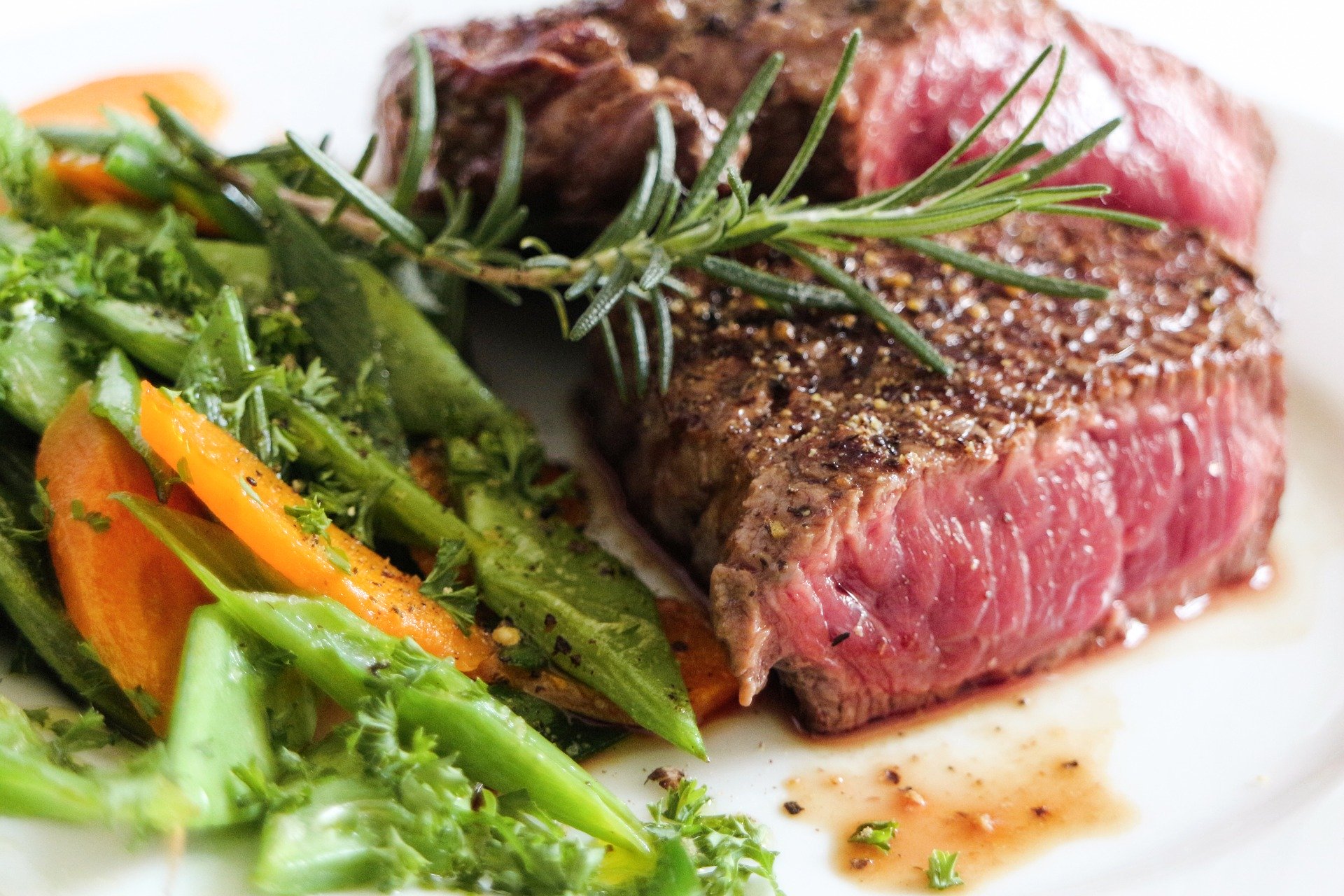
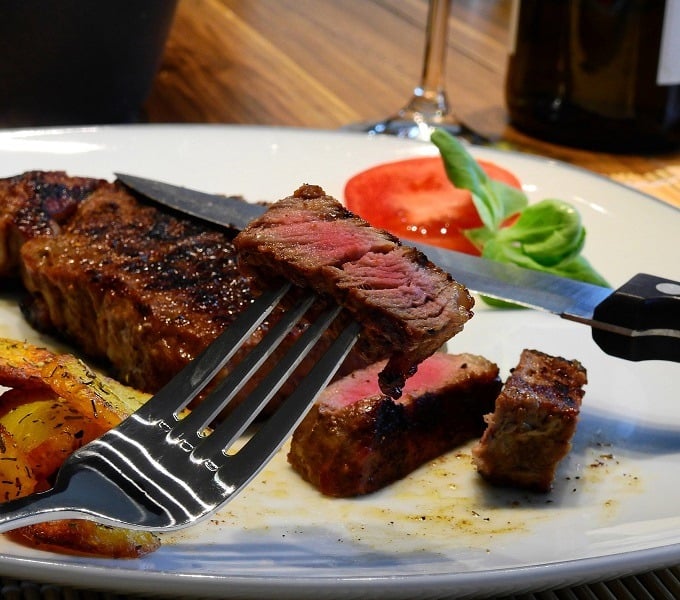
- Medium rare - medium rare steak. This is the most popular degree of steak frying. To obtain it, the meat should be fried for about 3 minutes on each side. The meat is slightly pink in colour when cut, with the juices still gently flowing out. It is soft and springy to the touch.
- Medium - medium-fried steak. It should be fried for about 4-5 minutes on each side. The meat is pale pink, firmer and slightly cut in the middle.
- Medium well - well-fried steak, about 6-7 minutes on each side. The colour of the meat is brownish. The steak is firm but pliable when touched.
- Well done - steak very well fried. It should be fried for 8 minutes on each side. The meat is brown or grey in colour, firm and there is no plasma coming out.
Whichever degree of frying you decide on, remember to heat the pan first, then the fat, and only then fry the steak.
Tip
Give the steak a rest
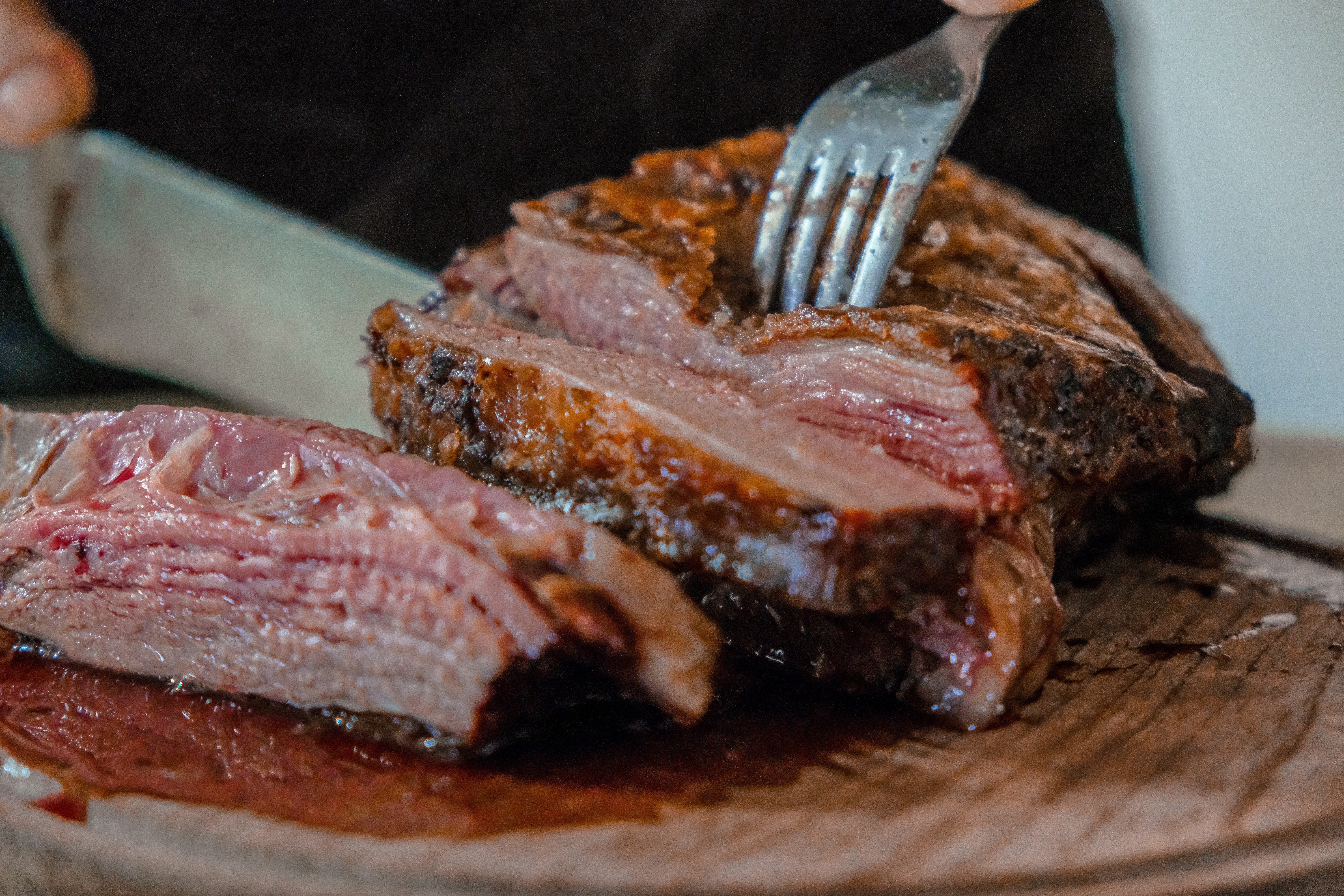
After removing the steak from the pan, set it aside for 5-10 minutes to let the meat rest for a bit. This procedure will allow the blood and juices to spread evenly throughout the piece. This loosens the fibres, keeps the meat evenly coloured, soft, tender, firm and juicy. After ageing, cut the meat into pieces with a steak knife and eat.


How do you cook a steak? Discover a tried and tested recipe for pan-seared beef steak!
Ingredients:
- 1 beef steak weighing 225 - 250 g
- 2 tbsp rapeseed oil
- 50 g clarified butter
- 3 sprigs of fresh rosemary
- 2 cloves of garlic
- coarse sea salt
- freshly ground pepper
Preparation:
- Season the steak with salt on both sides immediately before frying.
- Add the meat to a well heated frying pan and oil and fry for 3 minutes on one side, then flip to the other side.
- Add 50 g of clarified butter, rosemary sprigs and crushed garlic cloves to the pan.
- Fry the meat for another 3 minutes or so, basting every now and then with the sauce that has formed in the pan.
- Remove the steak from the pan and season on both sides with pepper.
- Set the steak aside to rest for a few minutes before serving. Enjoy!
Interesting!
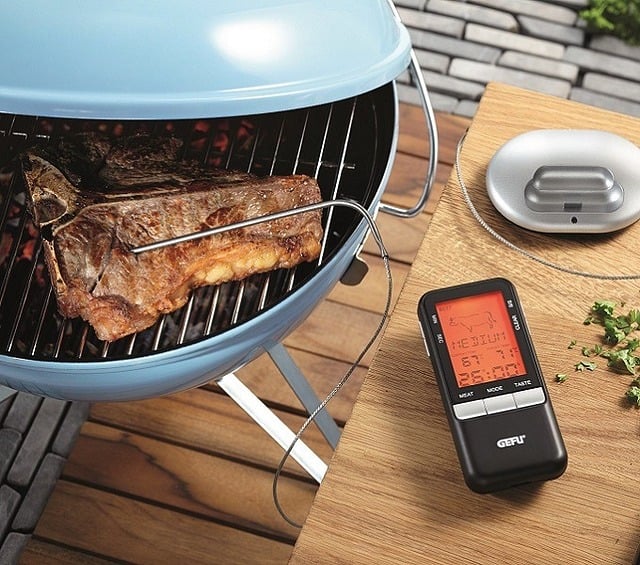
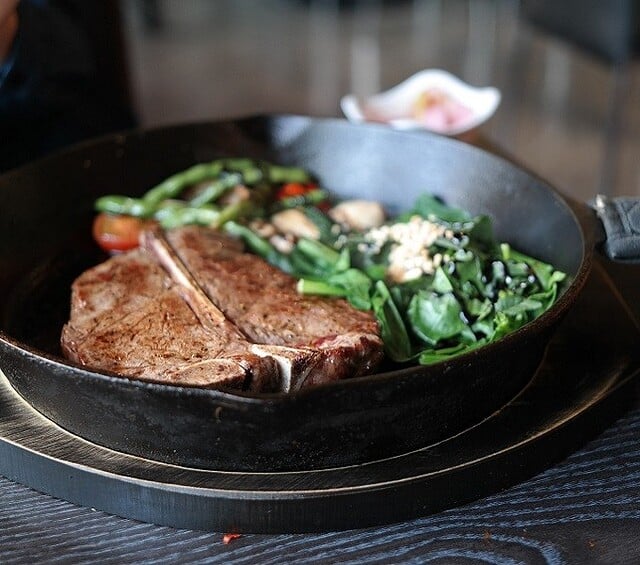
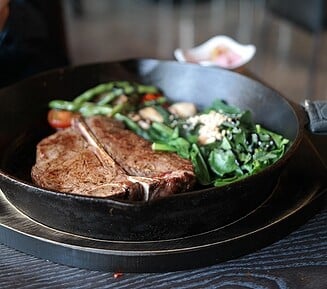
How to fry a beef steak and what rules to follow to get a juicy and flavoursome meat in the end?
Let's summarise:
- choose a good quality cut of beef; the best choice is a sirloin steak, roast beef, striploin or leg steak;
- take the meat out of the fridge at least 30 minutes before frying to bring it to room temperature;
- season the meat with salt before frying and pepper after frying;
- choose a suitable pan for frying the steak; cast iron, steel, ceramic and grill pans are the best choices;
- fry steaks in fat with a high smoke point;
- do not pierce the steak during frying;
- there are 6 degrees of steak frying: very well done, well done, medium well done, medium well done, well done and very well done;
- after frying, let the meat rest for 5-10 minutes.
We are convinced that all the tips we have presented will allow you to prepare the perfect steak in the comfort of your own kitchen.