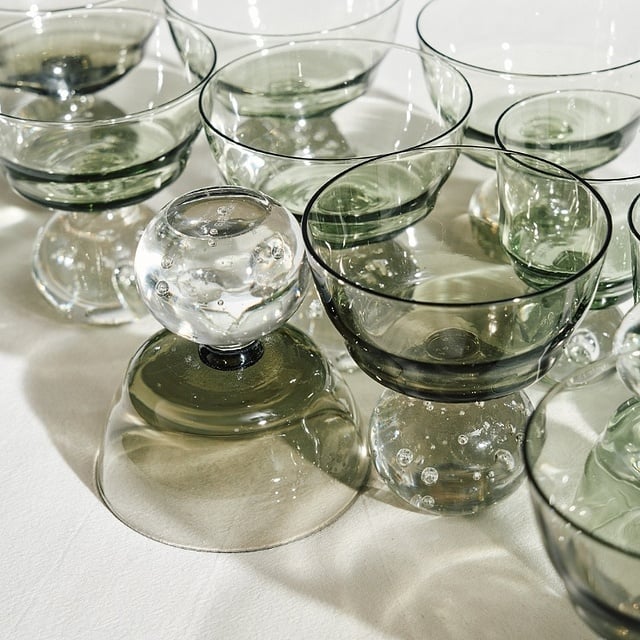
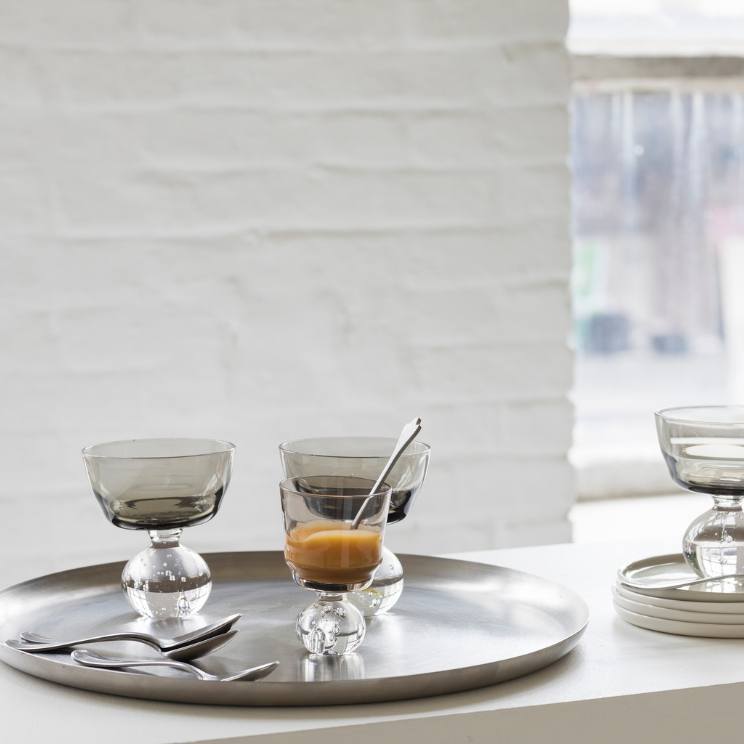
Choosing the right glassware for different types of alcohol is not as straightforward as it seems. You'd pick one glass for red wine, another for white, and yet another for champagne or liqueur. So, how do you choose the right glass to fully enjoy the perfect taste of your drink?
What to Consider When Buying Glassware for Alcohol?
When deciding to buy glasses for various types of alcoholic beverages, it's worth remembering that their shape, size, and glass thickness play a significant role. In a properly chosen glass, a given alcohol tastes decidedly better than in a random one. It's worth considering, among other things, the appropriate transparency of the glass – especially for wines. This allows for an easy assessment of the drink's clarity and brilliance.
It's also important what ingredients the glass is made from. Its composition affects the hue – and if the glass is colored, it's difficult to assess the color of the alcohol. The texture of the glass, in turn, translates into the ability to assess the texture and fluidity of the alcohol. The height and width of the glass bowl, the length of the stem, the type of glass used – all these elements are of great importance. If the glass is thicker, it provides greater stability. The shape of the bowl, in turn, determines how the drink will develop its aroma.
In this magazine, you'll find glasses for every type of alcohol, both simple and classic, as well as those with a slightly more adventurous design.
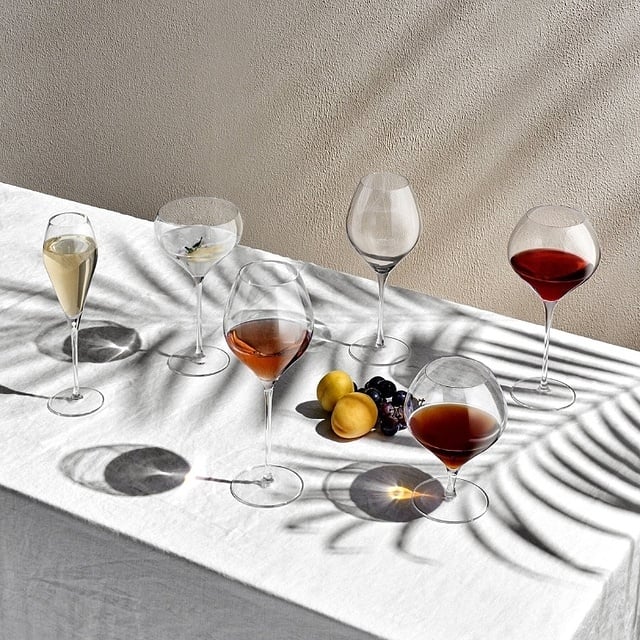
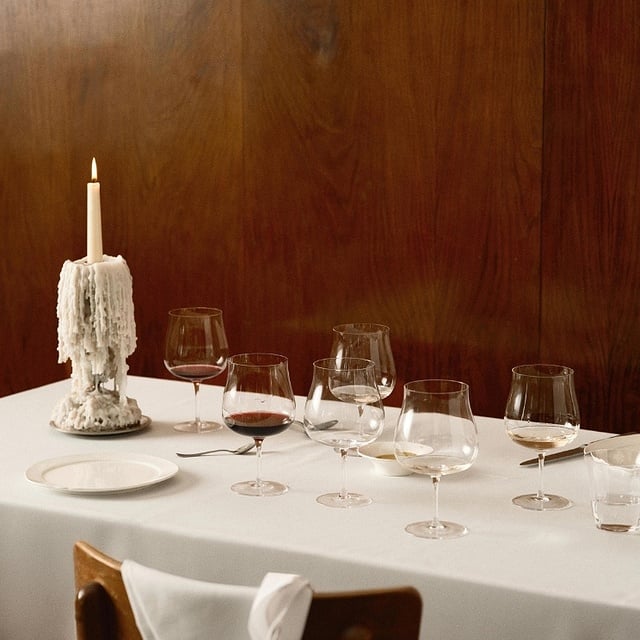


Red Wine Glasses
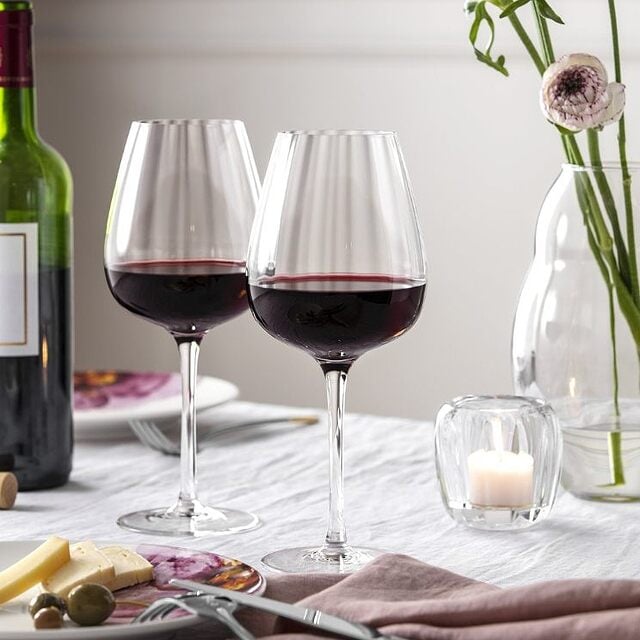
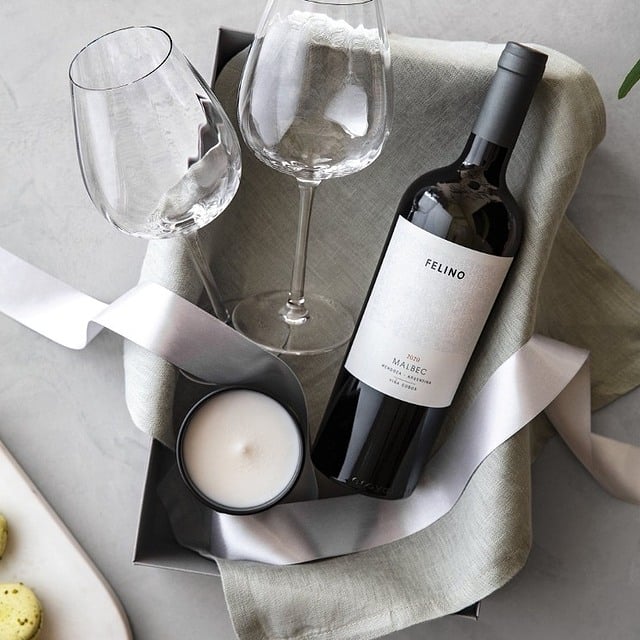
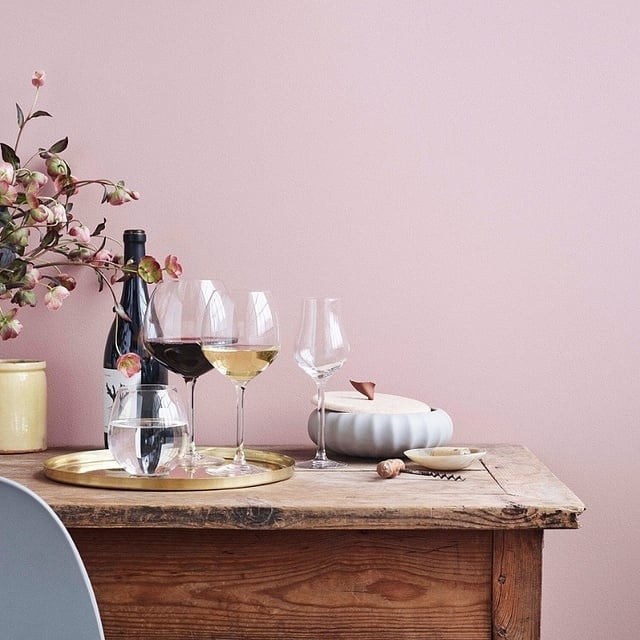
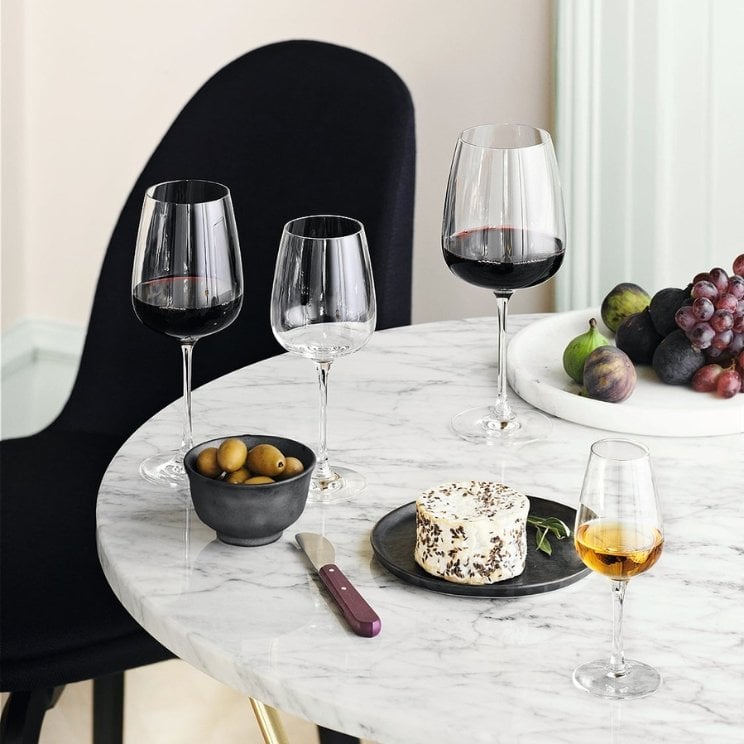
Red wine glasses should be larger than those intended for white wine. Their larger size and plump, tulip-shaped bowl, narrowing towards the top, allow the wine to come into contact with air. This makes its flavor even more delicate, and the wine can release its full aroma. It's also worth remembering that the older the wine we are serving, the larger the bowl of the glass should be. When serving it, it's also worth paying attention to the transparency of the glass, which allows for an assessment of the alcohol's color.




White Wine Glasses
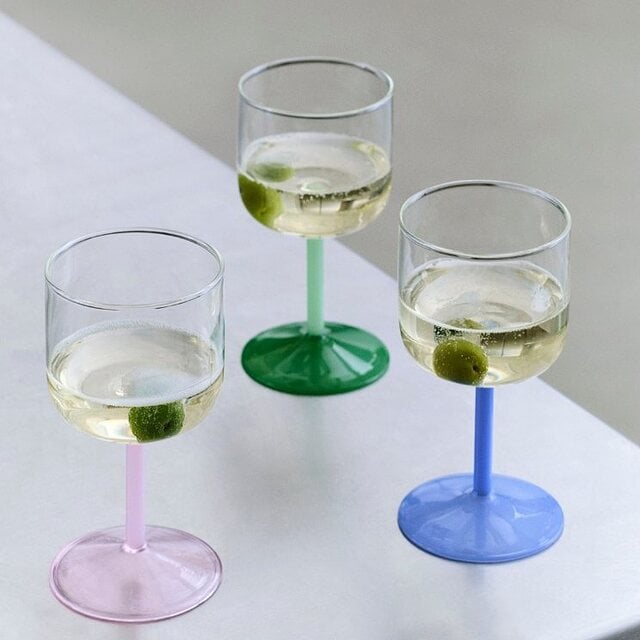
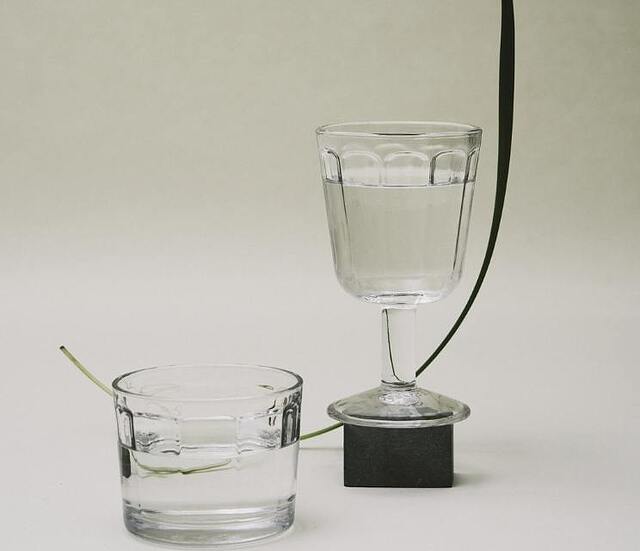
White wine glasses are characterized by a smaller size than those intended for red wine. Furthermore, the bowl of the glass is narrower, and the stem is longer. This prevents you from touching the bottom of the bowl or the upper part of the stem with your hand, allowing the wine to maintain the proper temperature for longer. The narrow bowl, in turn, prevents excessive contact of the wine with air – white wine doesn't have as complex an aroma as red wine, so it doesn't need as much surface area. White wine glasses with a slightly narrowed bowl at the top allow the aroma to be retained at the edges – then we can smell it even better.




Rosé Wine Glasses
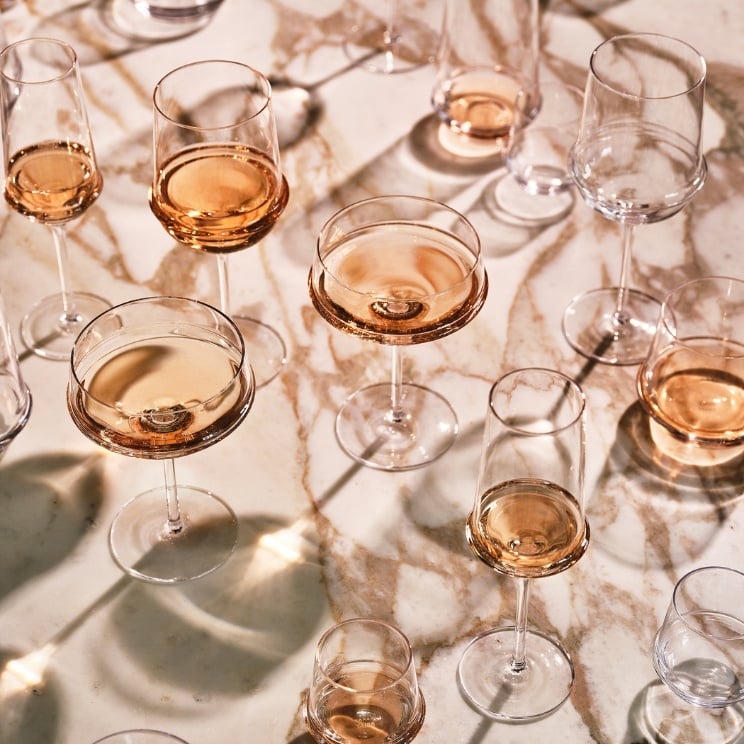
Rosé wine should also not be served in the same glasses as white or red varieties. It is decidedly more delicate and fruity in taste. It also doesn't need to breathe as much as red wine. Glassware for rosé wine therefore has a small, slender bowl with slightly flared edges. The glasses are smaller than those intended for other types of wine, and thanks to the long stem, they prevent the alcohol from being warmed by the hand.




And What About Sparkling Wine Glasses?
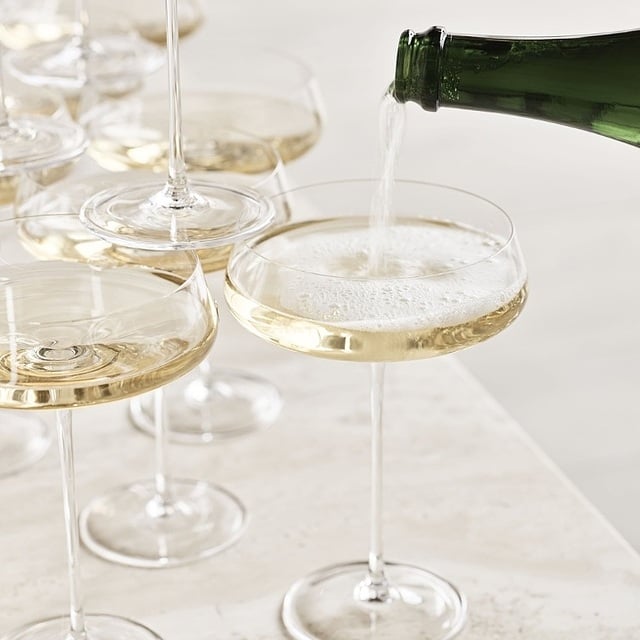
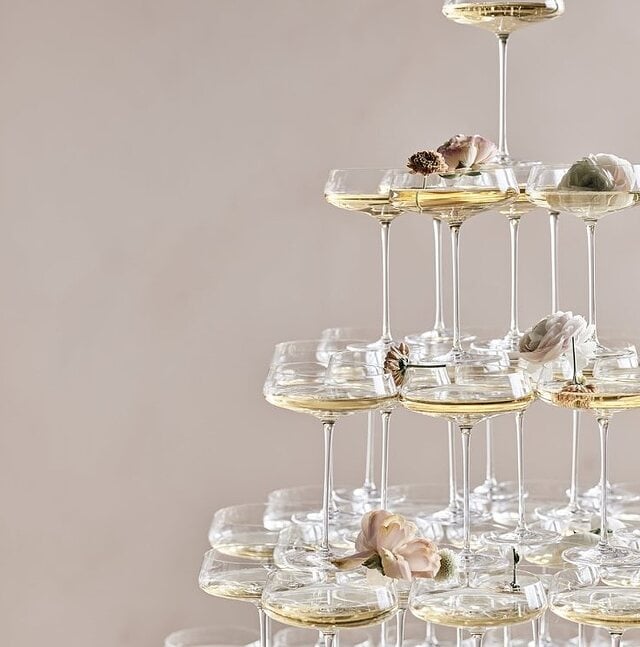
Sparkling wine is a light and refreshing alcoholic beverage, most often enjoyed during various celebrations. In the past, this drink was served in glasses with a very shallow and wide bowl. Nowadays, the preference is for slender champagne flutes with a long, narrow bowl and a high stem. Served this way, sparkling wine releases all its unique properties – not only its taste but also its delicate bubbles are maintained for a longer time. If, on the other hand, we want to serve dessert wine, we reach for low glasses with a bowl narrowed at the top. This prevents the ethanol from evaporating too quickly from the drink.




Vodka Glasses
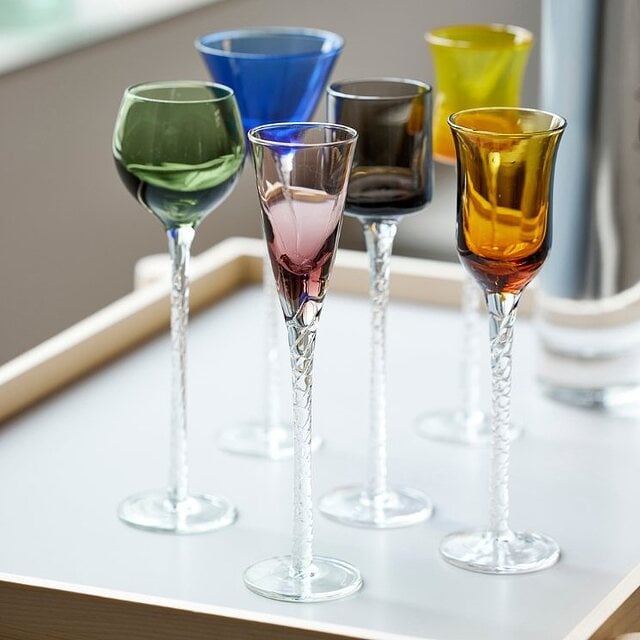
Vodka glasses are available in various forms – with or without a stem. Their capacity usually ranges from 25 to 60 ml, although even hundred-milliliter ones are available on the market. Flavored vodkas are most often served in stemmed glasses, while clear vodka is served in flat ones with a thick bottom.
Crystal glasses or those reminiscent of… Greenland, evoking the motif of ice on glass, are particularly interesting. When serving vodka, it's worth remembering that many people chase it with an additional drink. Next to the shot glasses, we should also place tumblers. Ideally, they should match the vodka glasses and other table setting elements.
Get inspired


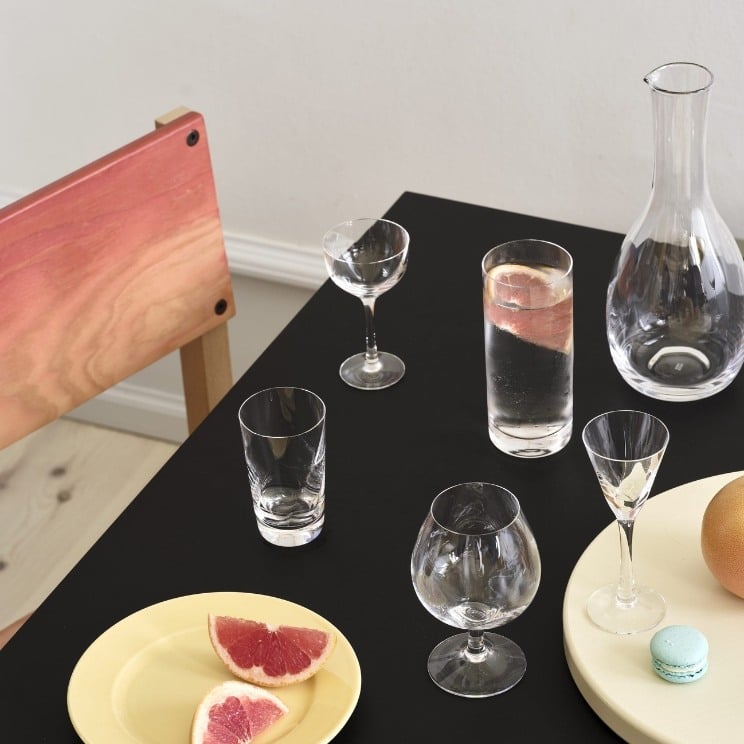


Brandy and Cognac Glasses
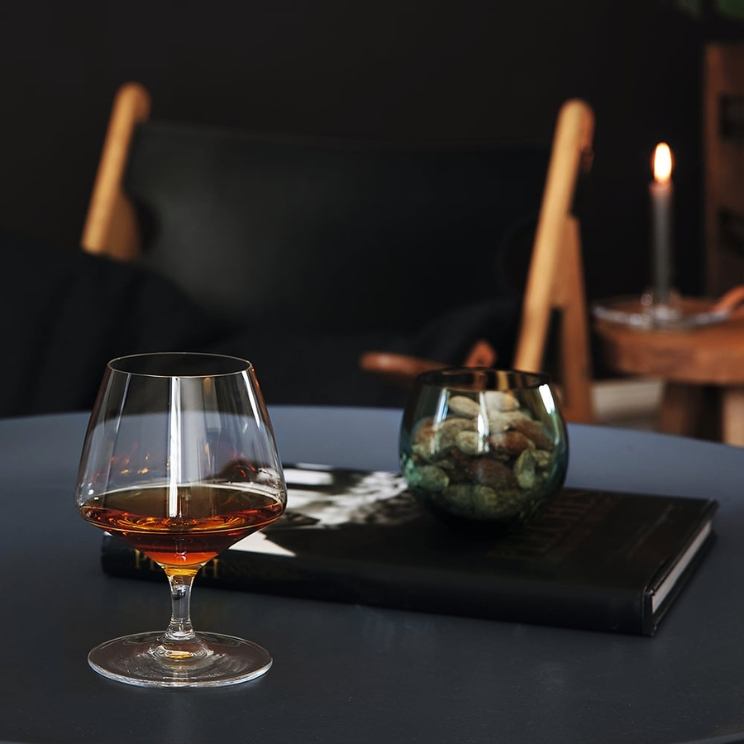
Cognac glasses and brandy glasses are distinguished by their characteristic plump shape and rather low stem. This design of the glass allows us to warm the drink with our hand while tasting it. Under the influence of temperature, both cognac and brandy release their aroma even better. Glasses for this type of alcohol somewhat resemble those intended for serving red wine.




Whisky Glasses
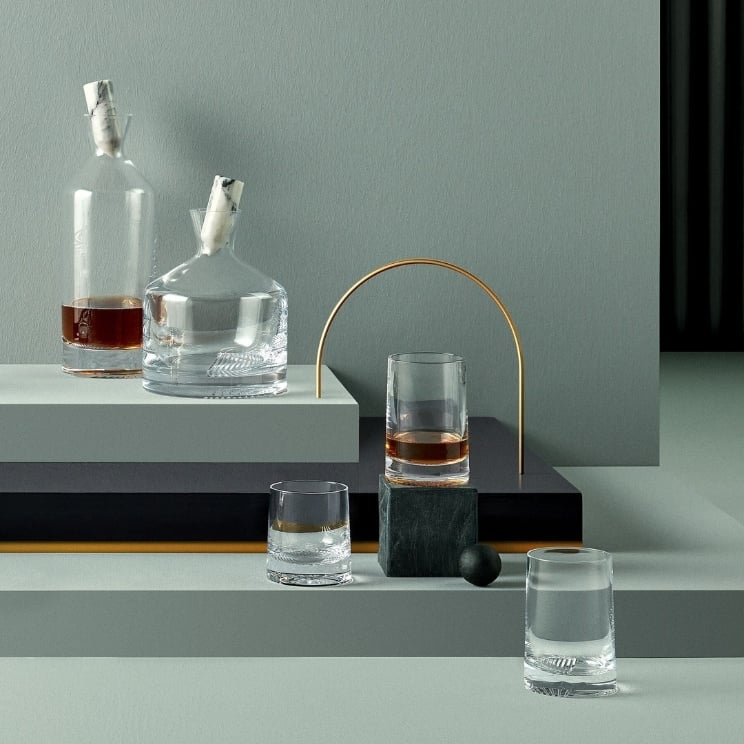
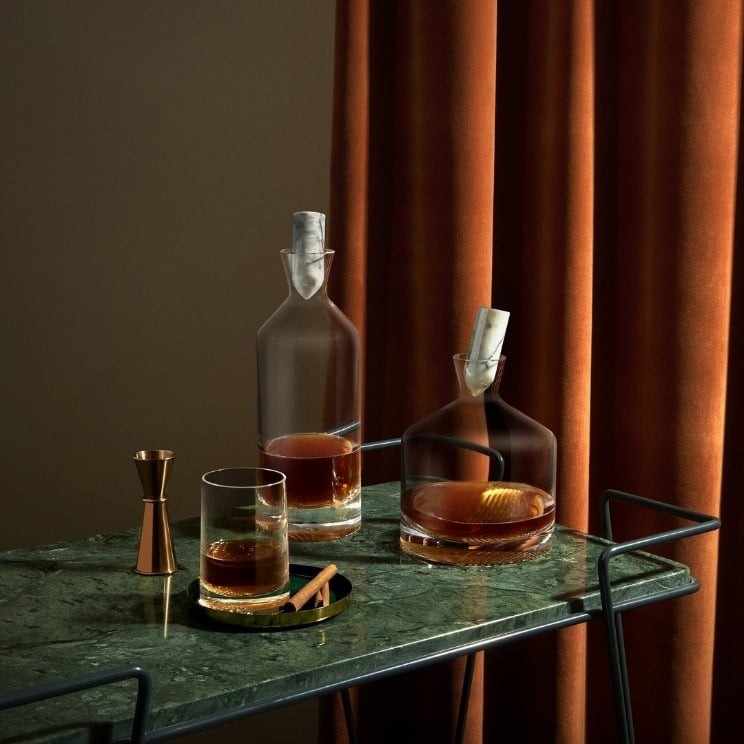
Whisky is an alcohol that we most often serve in special glasses. Those made of elegant crystal are particularly popular. Whisky glasses are distinguished by their characteristic cylindrical shape and thick glass and bottom. Thanks to the appropriate thickness, we do not increase the temperature of the drink by holding the glass in our hand. They are also wider and shorter than traditional glasses – but not too short, so they can accommodate a good amount of ice cubes. If we want to taste a small amount of the drink, we can also use whisky glasses with narrow stems. Their characteristic shape allows us to savor the aroma of the alcohol being tasted.
Get inspired




Beer in a Glass? Why Not!
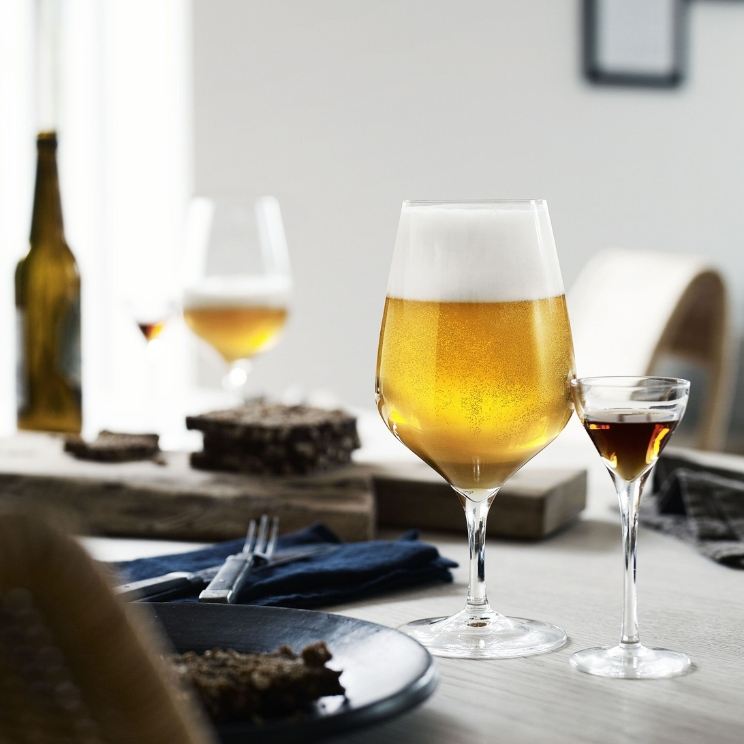
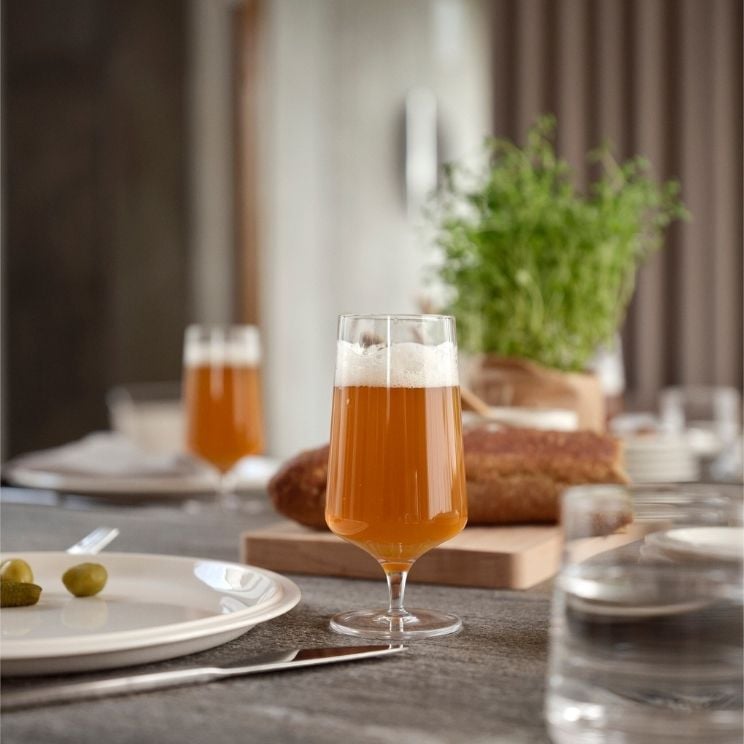
The taste of beer also depends on the glass it's served in. This alcohol can be successfully served in a subtle glass. Beer glasses most often resemble wine glasses in shape. Goblets – as we call them – do not have a handle, but they do have a low stem and a bowl that narrows slightly towards the top. This improves the circulation of beer bubbles, and a perfect head of foam forms on the surface of the beer. We also distinguish stemless beer glasses and mugs – often decorative. Traditional mugs made of thick glass best bring out the taste of beers such as Märzen, porter, bock, or pilsner. They are also recommended for mulled beer. However, if we want to bring out the aroma of a lager, it's best to reach for a goblet.




And for Colorful Drinks – Beautiful Glasses!
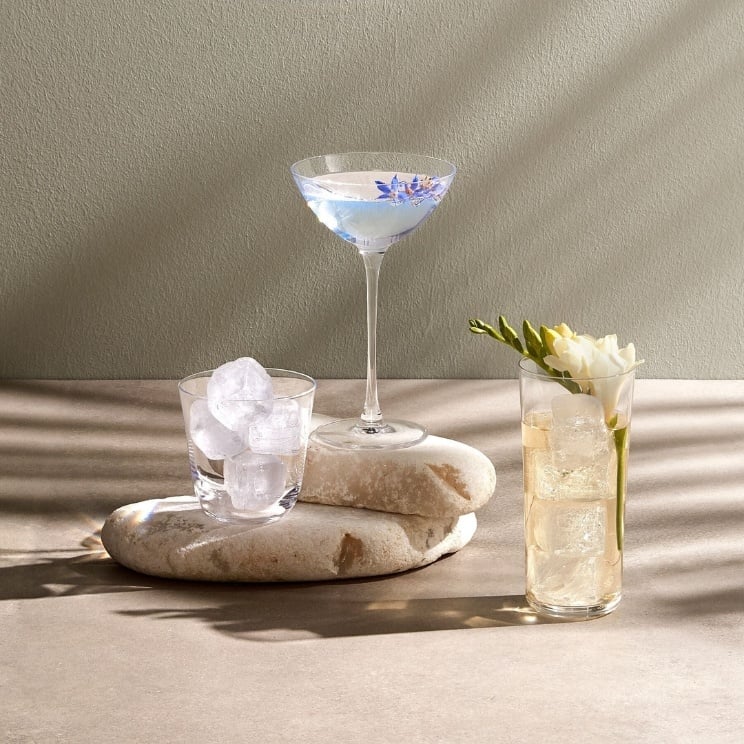
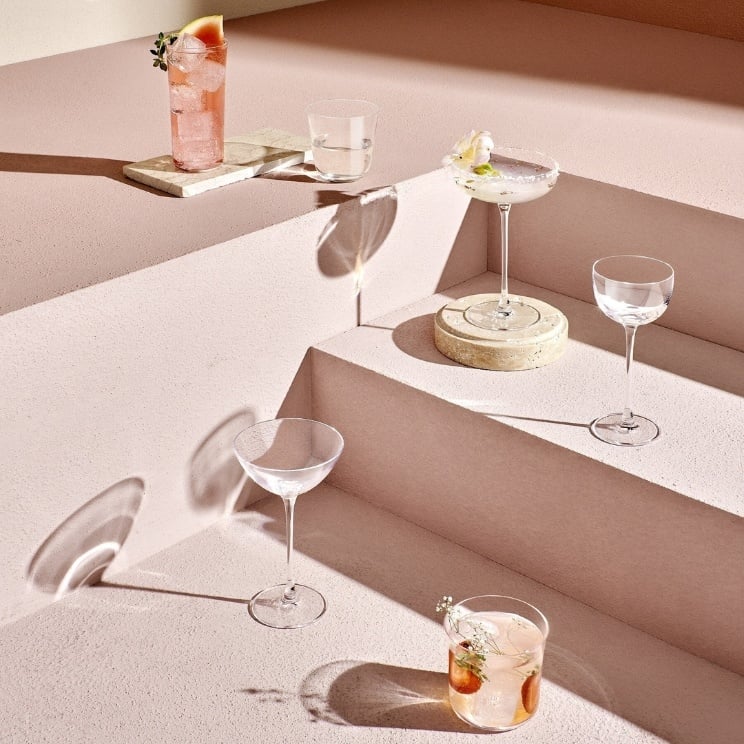
When serving colorful drinks, we can opt for two types of glassware. Most often, these are drink glasses, but special cocktail glasses are also available on the market. We distinguish several types of glasses – including tall highball and collins types. The first type is more squat, while the second is more slender and a bit taller. Drinks are also served in tumbler glasses, which are characterized by a thick bottom.
Long drink glasses are often richly decorated and make the colorful beverage served in them look even more luxurious. In addition to tumblers, when serving this type of alcohol, we can also use cocktail glasses. They are distinguished by a long stem and a wide, low bowl.


$39.51$43.90
Purismo Bar Margarita glasses 340 ml 2 pcs
Villeroy & Boch
Dispatch within 10 working days




How to Choose the Right Glasses for Alcoholic Beverages? Summary
Choosing the right glasses for alcoholic beverages is more than just a matter of aesthetics – it's a way to fully bring out the aroma, taste, and character of the drink. The shape of the bowl, its capacity, and the thickness of the glass have a real impact on the tasting experience, so it's worth matching the glassware to the type of alcohol, and not the other way around. Well-chosen glasses emphasize the quality of the drink, give the ritual the right setting, and make even a simple evening take on a unique character.

$65.04
Printworks The Essentials Bar Accessories Set dark blue, 4 pcs.
Printworks
Dispatch within 4 working days