Pour it in, pour it over and you're done! Many of us don't pay much attention to how we make this brew. Meanwhile, our hasty ritual would give any tea drinker a headache. Although we are far from the Japanese tea ceremony, tea meetings, courses and workshops are no longer a novelty. After all, every kind of tea needs to be treated in the right way - and once you know this, even your morning Earl Gray will delight you with its unique taste.
Water is the basis
The basis of an aromatic drink is, of course, water, which has a considerable impact on its quality. We can use tap water, although we can only take our word for it in terms of its crystal purity, and even trace amounts of chlorine can completely distort the taste of our favourite tea. So how about bottled? By all means, although avoid medium and high mineralised - they are not made for brewing due to their level of hardness. The best choice is to buy spring water or use a filter kit.
The type of tea matters
Black tea
Black tea is most commonly found in our homes. Its rich range of flavours and aromas has made it extremely popular. To ensure that the infusion retains all its qualities, pour water at a temperature close to the boiling point - 96°C is ideal. Too hot will rob it of its aroma, too cold will reduce its extractivity. After 3-4 minutes, it is ready to serve.
Green tea
Although the green variety owes its popularity mainly to its slimming properties, we should also appreciate its original flavour and numerous health benefits - it reduces the risk of heart disease, protects our teeth and strengthens blood vessels. Brew it for two minutes at a temperature of 80-60°C - if you don't have a thermometer, remember that 13 minutes after boiling, the water temperature drops to around 75°C. For green tea, the same dried tea can be brewed up to three times.
White tea
Subtle and delicate, it is also known as the queen of teas. White tea owes its nobility to the young leaves growing on the tops of the tea bushes. When preparing white tea, use water at 85°C and wait 7 minutes to enjoy its exquisite aroma and slightly refreshing taste. For herbal infusions, use boiling water and leave them covered for a quarter of an hour. They should be drunk within a day, although it is known that they are most delicious as a warm and warming drink.
Tea savoir vivre
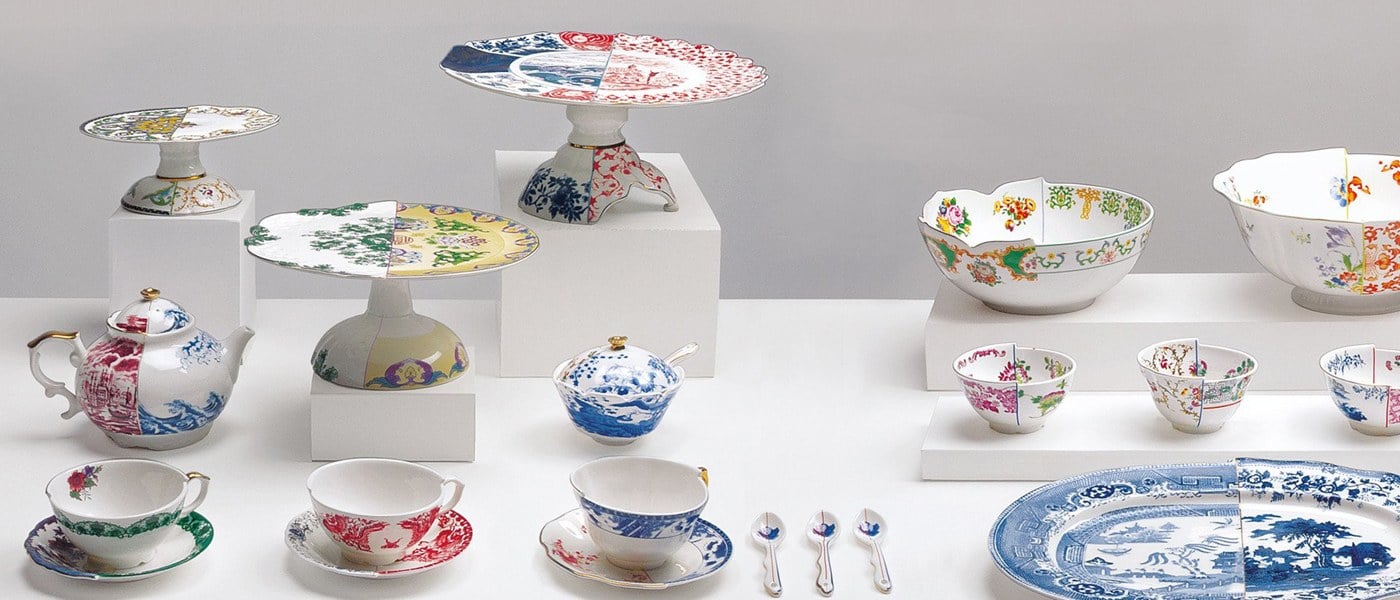
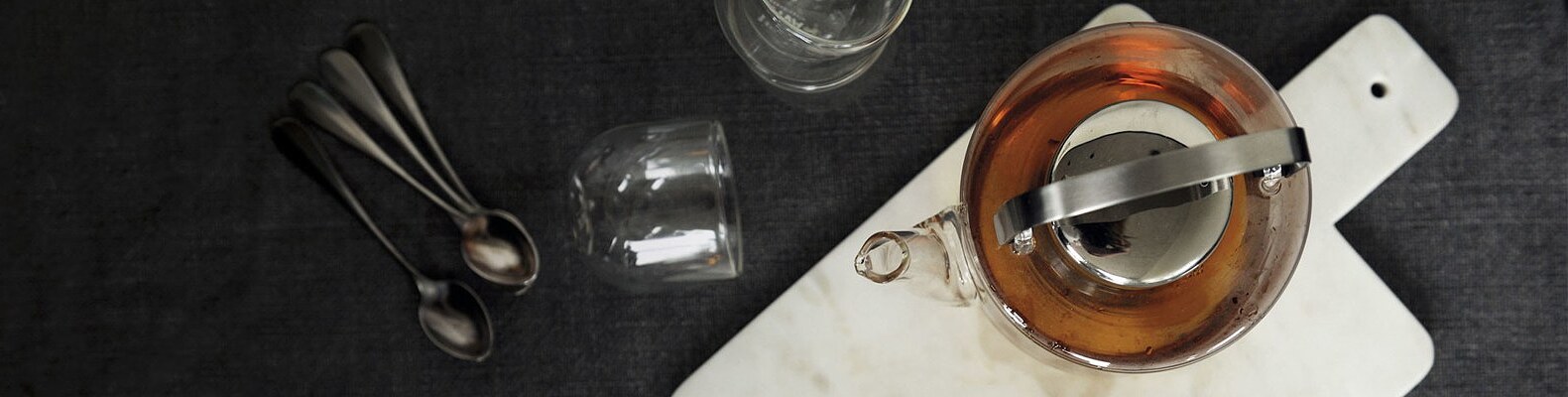
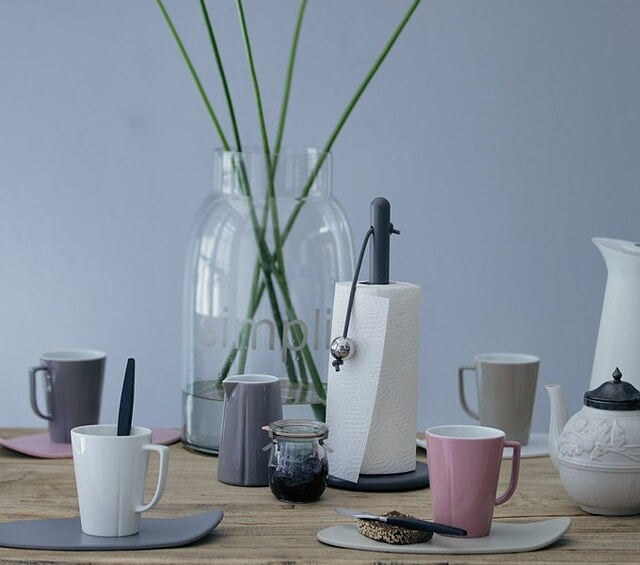
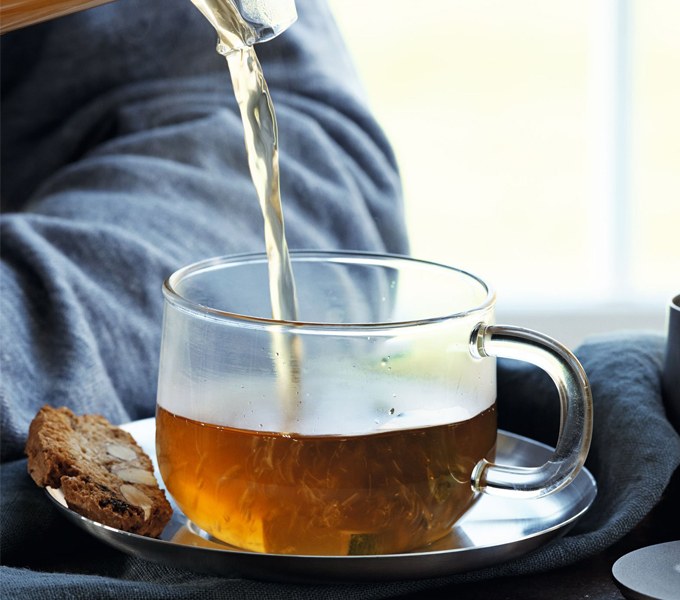
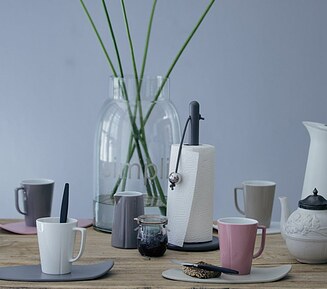
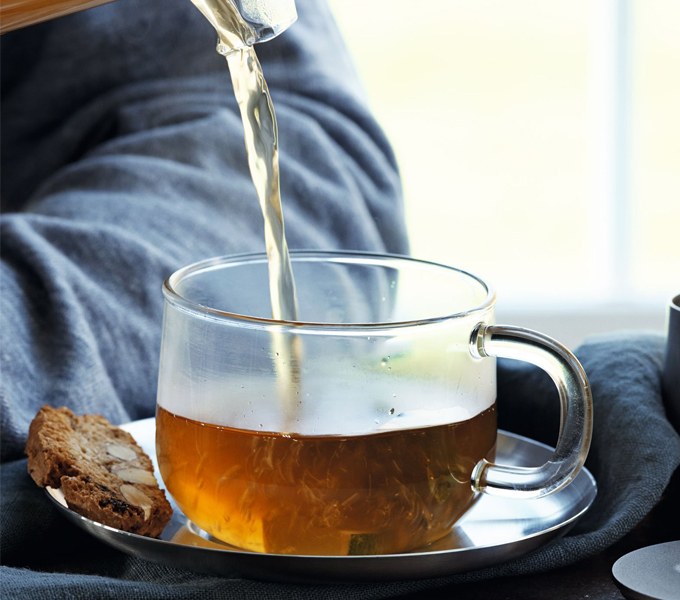
They say coffee tastes best in brown cups. So what should we serve tea in to make it the tastiest? Whichever kind you choose, tea needs to be served in the right setting. Of course, you can serve it in special tea glasses, such as thermal glasses. But tea cups are the most popular choice, as their upward-facing shape brings out the depth of the aroma. However, before you fill your rhodium-plated china with it and choose porcelain cups, you need to get the ideal vessel for brewing it. The best vessel is a jug, which is slightly heated beforehand. The round and crackly shape will allow the tea leaves to unfold freely.


Kettle - your choice, your colour
What kettle will be most suitable for me? The answer is not clear-cut. First of all, consider whether you want an electric kettle or gas - is a fundamental question to work through. If you're flitting from one solution to another, be sure to read our Magazine: Electric or traditional kettle? The pros and cons of both solutions.
We particularly recommend temperature-controlled kettles. They are particularly useful when tasting different types of tea, which require the right brewing temperature. If you like old-fashioned design straight from the 1950s, consider buying a retro-style kettle, and preferably with a whistle - such a kettle will bring a very nostalgic atmosphere to the kitchen! For fans of modern design, we have something too - a stainless steel kettle.
The most frequently searched kettle colours are:
- electric kettle black
- Electric kettle white
- Electric kettle red
Also very popular are Smeg kettles and KitchenAid. At FormAdore we have a really wide selection of kettles, so you're sure to find something for you!