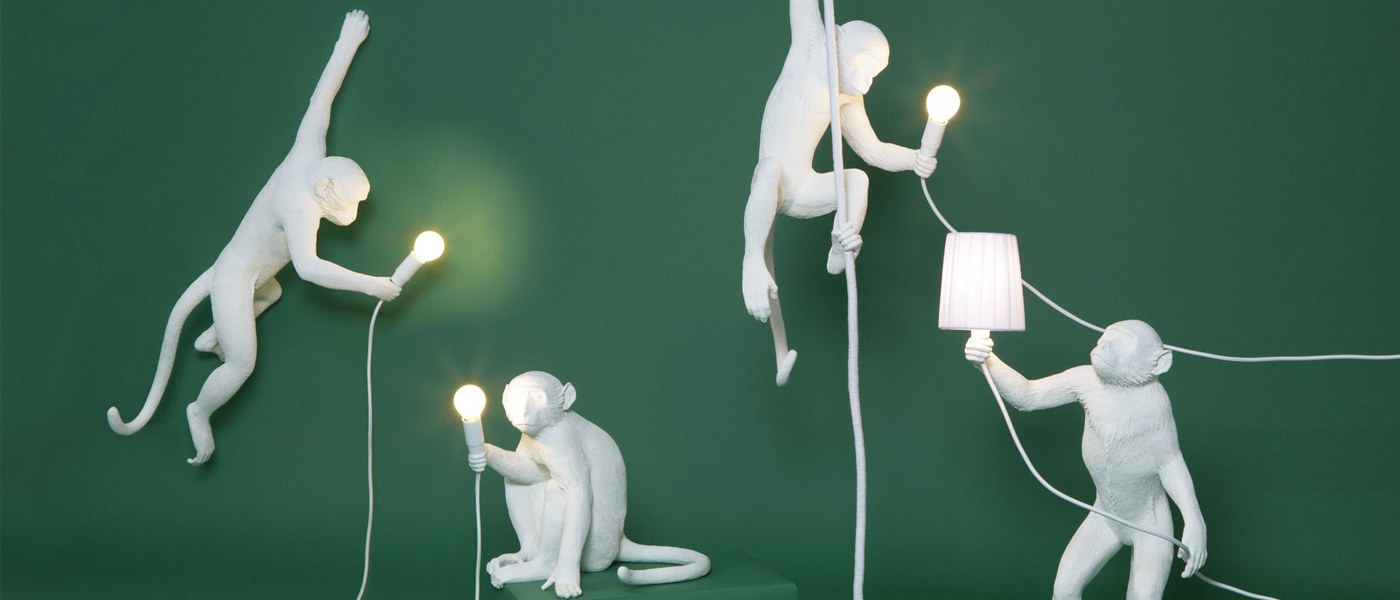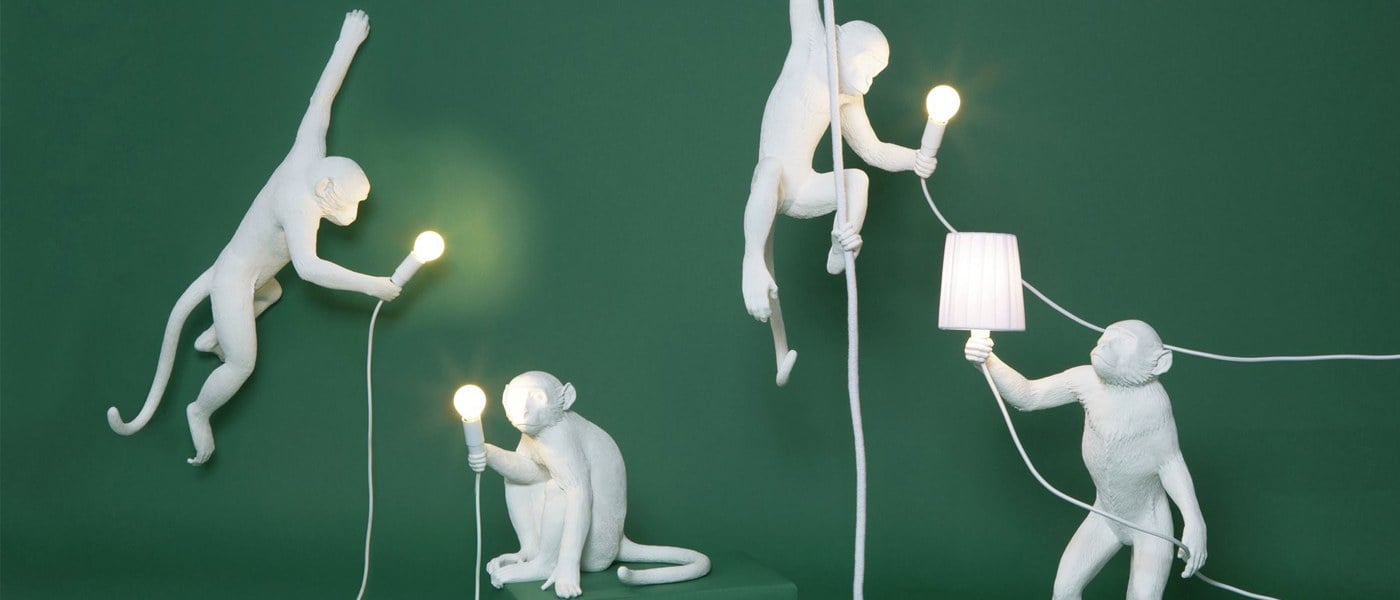
Lighting plays a major role in every home. The right choice of light influences the comfort of a room and can bring out the beauty of an interior design and emphasise its character. Find out how you can use light to give your interiors a unique character after dark, without losing functionality.
Lighting in the past and today
In the past, little attention was paid to lighting in the home. Usually a chandelier was mounted on the ceiling and that was it. The only additional source of light was perhaps a desk lamp in the children's room. This was definitely not conducive to the functionality of the rooms, their cosiness or the well-being of the occupants' eyesight.
Nowadays, there is a wide range of lighting and lamp types to choose from. It is not only classic chandeliers and other hanging lamps. Modern lighting also includes floor, table and desk lamps as well as wall lamps and plafonds. LED spotlights and LED strips with versatile applications can also be used. Much more importance is also attached to the arrangement of lighting in the home now than even 20 or 30 years ago.
Lighting in the home and flat
In order to properly plan the lighting in a house or flat, it is important to start with the basics. There are three main types of lighting: main, local and decorative. Each fulfils a different role in a room. By using them as intended, we are well on our way to a successful lighting scheme.
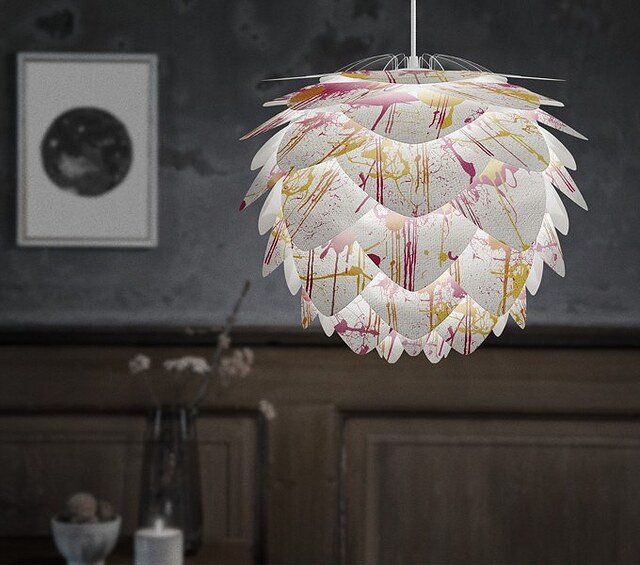
Main lighting, also known as general or overhead lighting, is located on the ceiling. Its source can therefore be plafonds, chandeliers or pendant lamps. However, modern sources of diffuse, warm general lighting also include evenly distributed spotlights or halogen lamps or so-called lighting ramps, i.e. spots placed behind a cover, "recessed" into the ceiling. This type of light should form the background for the other light sources, evenly illuminating the interior.
Local (spot) light is used to delineate functional areas in a room. It is usually quite bright with a directed light output. This includes, for example, under-cabinet lighting above the kitchen worktop, a standing lamp in the living room that is ideal for reading or a desk lamp that makes work easier.
Decorative lighting, on the other hand, is used to highlight specific design elements. It brings out the depth in the room and highlights details. This can include, for example, small spotlights or LED strips. Decorative lighting can be used to highlight furniture, ornaments, works of art or architectural elements such as niches, cornices and stuccowork.
How should lighting be arranged?
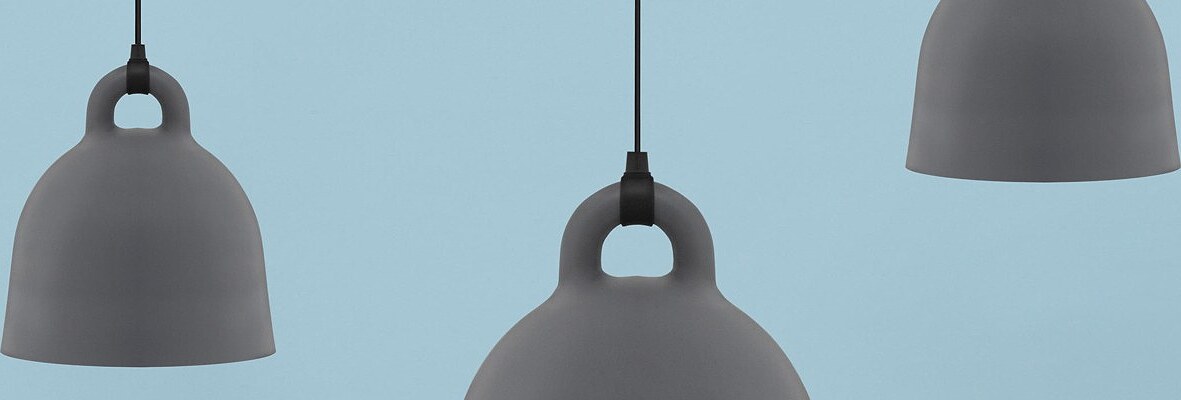
When deciding where to place the lighting, start by separating the functional zones of the house or flat. In each room, there should be several sources of light. It is worth starting with the background, i.e. the general light. Pendant lamps, both modern and more traditional, are perfect for this role, providing pleasant, diffused light and making an elegant decoration of the room.
Then you can move on to the arrangement of spot lighting. In the kitchen, for example, these will be under-cabinet lamps, in the bedroom bedside lamps and in the living room a floor lamp, creating a pleasant corner next to the sofa or armchair. And don't forget to illuminate the kitchen or dining table - lamps with large shades pointing downwards or in the form of glass globes will work well above the table.
Lastly, there is the placement of decorative lighting accents - in this case it is worth thinking carefully about which elements of the interior are worth emphasising and which are better hidden. And after the planning comes the fun part, i.e. choosing the right lamps, lights and other fittings. Thanks to the huge selection, finding elements that are not only functional, but also stylistically attractive and consistent with the interior style should not be a problem.