Light allows our body to function properly. When we lack it, we tend to feel worse and our interiors are not as cosy and welcoming as they could be. This is why we encourage you to invite light into your home. After all, the more light, the more fun!
We are light-loving by nature
Light has been our friend since the dawn of time and there is no literary exaggeration in this. Back in primitive times, people gathered around fires and bonfires to keep warm and cook food, but also so that the glow of the fire would ward off wild animals that might threaten the community. Of course, it would be a slight exaggeration to claim that the cute bedside lamp on our bedroom cabinet now serves a similar function and deters wolves.... although a lamp in a child's room that dispels darkness and prevents monsters from approaching sleeping toddlers pretty well continues this tradition....


Light in interiors
It might seem that lighting a home is a piece of cake. We put up a nice lamp, buy energy-saving bulbs and we're done. Ha! If it were that simple, lighting designers and architects would have nothing to live on. But rest assured, you don't need a degree in lighting or engineering to light your own home sensibly. It is usually enough to remember a few simple rules:
SPOT LIGHT VERSUS DIFFUSE LIGHT
Light can be divided into diffuse or spot light, i.e. more directed light. Diffuse light illuminates a larger space in a gentle manner without major shadows and works well in the living room or bedroom. Spot light, on the other hand, is more concentrated and the light output is stronger, so it will illuminate the kitchen workspace where we cook or the living room table where we like to eat or read.
WARM OR COLD LIGHT
Whether the light is warm or cold is determined by the number of Kelvin on the bulb's packaging. The more of these, the cooler the light. Cold light promotes concentration, stimulates and activates, so it is worth thinking about it in the study room, office or university. Warm light, on the other hand, calms, soothes and envelops, so it will be ideal in a bedroom, relaxation room or spa lounge. It is also worth remembering that the temperature of light affects the appearance of colours in an interior. Cold light flattens warm colours, while warm light attenuates cold colours, e.g. on walls or furniture.
MODELLING SPACE WITH LIGHT
Using simple tricks, we can optically enlarge (or reduce) the space.
For example, if we use only overhead lighting in a larger room, its corners will be underlit, so the space will appear smaller. Therefore, it is a good idea to put additional lamps there to illuminate the sides and optically make the room lighter and larger.
If you want to learn more about lighting tricks, be sure to read our magazine on the subject.
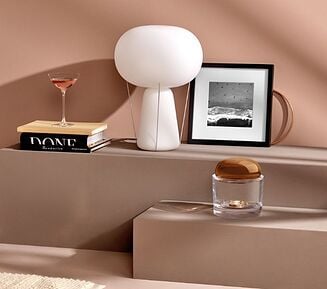
And now it is high time to get down to specifics. Lamps can usually be divided into:
Standing lamps (so-called floor lamps)
P endant lamps
Ceiling lamps
Bedside and table lamps
Wall lamps
Let's take a closer look at them so that we feel clear in our heads what they are all about!
Standing lamps
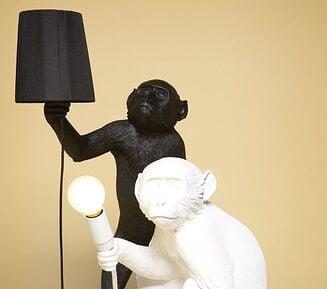
Even when standing in a corner, it won't look sad! Such a standing lamp is a good choice when we are looking for an effective, auxiliary light source to illuminate a suitable part of the interior or to support a ceiling lamp in the distribution of light ;) The advantage of such lamps is also their mobility - we can change its position at any time, depending on the current need. And when we get bored with the look of our lamp, we can change the lampshade or experiment with decorative bulbs.
In FormAdore we have over 100 standing lamps - each in a different climate, unique, original, but always stylish (because we do not recognise others)!
You can find all the standing lamps in this section. Below are a few selections that may catch your eye.

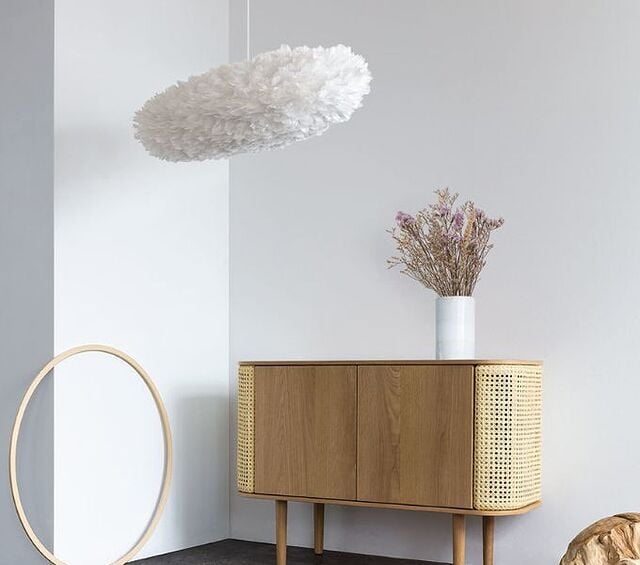

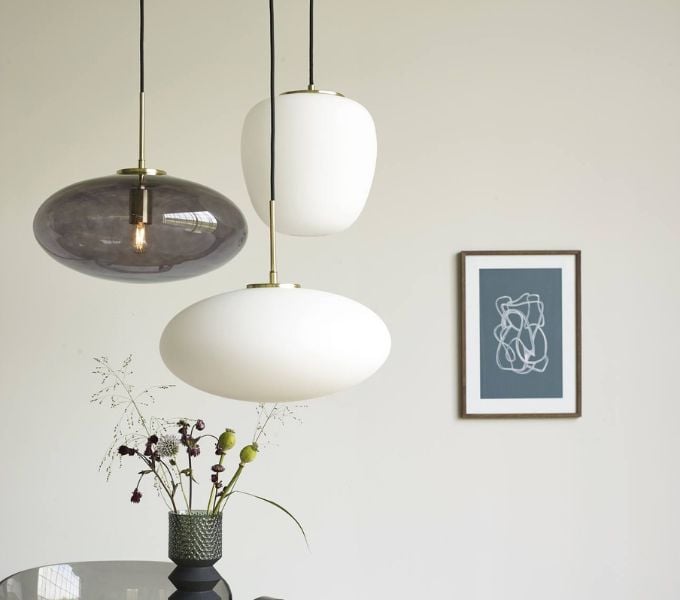
Pendant and ceiling lamps
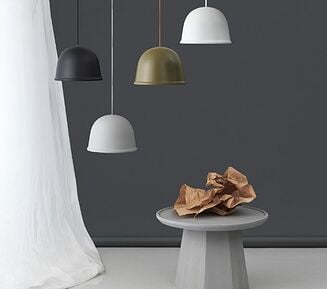
A pendant lamp is one of the most important design elements in a living room, dining room or bedroom: not only does it provide central lighting for the interior, it also adds character and is a great decoration. It is therefore advisable to choose your pendant lamp carefully so that it perfectly matches the style of the room, such as a loft lamp, a modern lamp or an elegant chandelier to add character to the interior. Lamps can also delineate zones in a room: a lamp over the table will mark out a separate dining area, and over an armchair a reading area. Plafonds or surface-mounted luminaires, on the other hand, are more suitable for offices and passageways, e.g. in the hallway, as they emphasise the modern character without obstructing the view or requiring the lampshade to be cleaned.
Bedside and table lamps
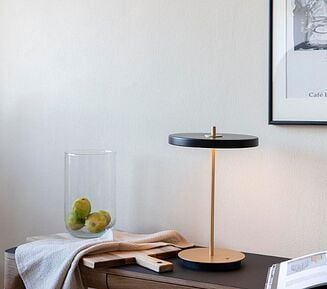
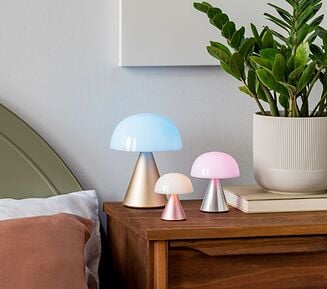
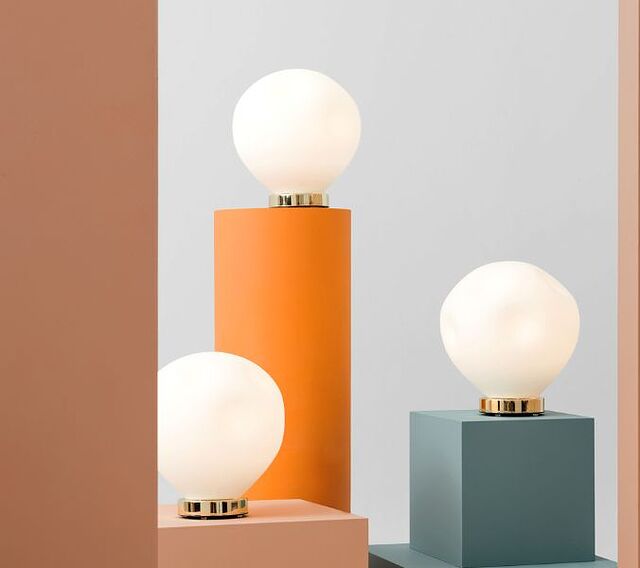
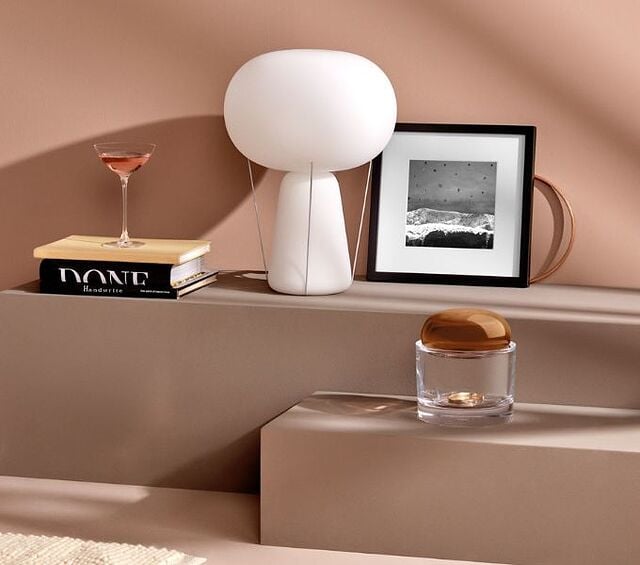
Only nice guests are invited to the table and we guarantee that the table lamps from the FormAdore shop will certainly be pleasant company for everyone! The table lamps and bedside lamps in our range will set a special mood in your interior, as auxiliary lighting they will illuminate the corners that you want, and they will also work well for reading. And if you're looking for work lighting, be sure to check out our desk lamps - with their downward-facing shades and adjustable light direction, they're a pleasure to work with.
Bedside lamps are perfect (as their name suggests) for the bedroom. We encourage you to read our magazine "Bedroom in a new light" to expand your knowledge.
Ah, the wall lamps and plafonds
Wall lamps are seemingly unassuming lights that can do a lot and are not shy at all. Unlike plafonds, which are attached to the ceiling, wall lamps are usually attached to the wall.
Modern wall lamps are the great-grandchildren of the so-called French quinquets , which meant an olive or oil lamp. This was the primary source of light until they were supplanted by oil lamps. Nowadays, wall sconces are usually an auxiliary, atmospheric light source that gives a subtle, diffused light. And thanks to FormAdore we can have at least 140 of these atmospheric lights, because that's how many different wall lamps we have on offer!
You can find all our wall sconces here.
And if you're attracted by the magic word plafond, we'll give you a hint that they're hidden here.
And it's all clear!
Interesting facts about light at the end
Let's agree that we don't usually get into a philosophical reverie about light every time we snap on a contact and turn on the living room light so we don't trip over the carpet. But this might be a good time to appreciate light, because it's quite a phenomenon after all!
Did you know.
- The speed of light is 300tys km/s and the path of light from the sun to the Earth is 8 minutes
- We can use light to measure time, so you know what to do when you forget your watch ;)
- Light can also be used to aid healing - it stimulates work, relieves pain, improves circulation, and aids in the treatment of depressed mood.
- At night and in the evening, watch out for excess light (including that from smartphones and computers), as excess light disrupts the sleep cycle and blocks the production of adequate melatonin.
- It is not only lamps that glow, but also... jellyfish. These underwater creatures glow thanks to bioluminescence, a phenomenon caused by the chemical transformations taking place in their bodies. Interestingly, humans also have the capacity for bioluminescence, but this amount of light is about 1,000 times too small for the human eye to register.
- In some countries (e.g. Norway or Iceland), it is bright around the clock due to the polar day. This is a phenomenon that originates from the Earth's movement around the Sun and can last up to half a year.