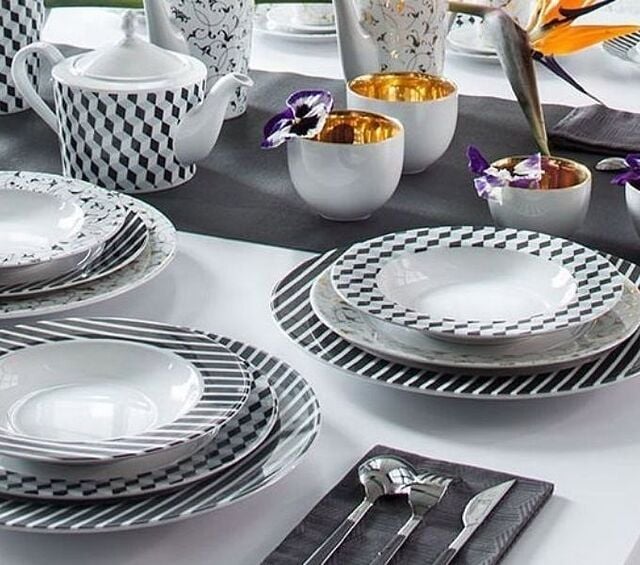
A stylish table setting is just as important as the dishes on it. That's why we're here to guide you through various styles with ease. Your guests will be absolutely speechless!



Rustic Style
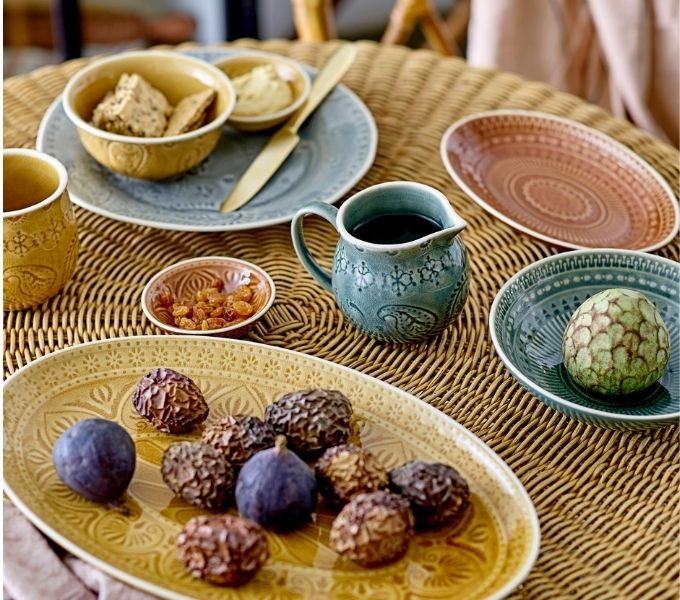
When we think of this style, unpretentious decorations, simplicity, naturalness, and subdued colours come to mind. And quite rightly so. A table in this style doesn't overwhelm with unnecessary luxury; its strength lies in its simplicity. Just look at the name "rustic", which, after all, means homeliness and a rural character.
In this style, we encourage you to play with
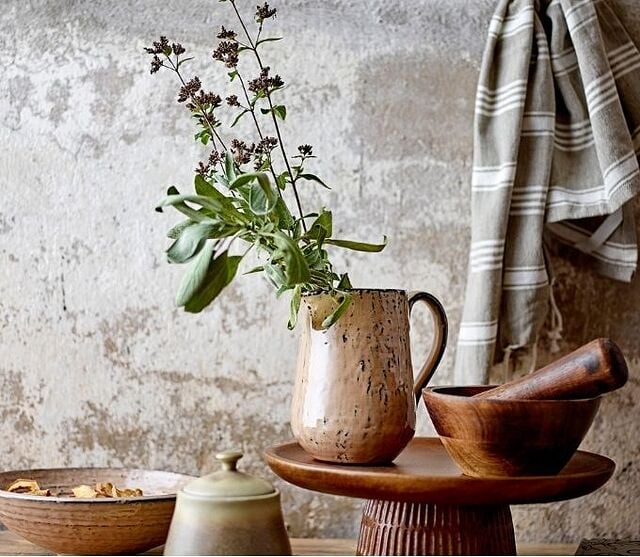
natural colours, linen, raw wood, or retro lace. A raw wooden table, a tablecloth or table napkins made of linen or other natural material, a set of cutlery with wooden elements, and, of course, a simple glass vase with a beautiful bouquet of wildflowers, which will successfully replace the most elaborate decorations, will all work wonderfully here. A rustic table also can't do without stylish, natural plates, bowls, and matching mugs. Ceramics or stoneware are perfect here. Let's not be afraid of tableware elements that look handmade either.
Naturalness and freedom are key in rustic style, so plates and cutlery sets don't have to be laid out at perfect intervals; what's important is that everything is kept in a similar style and colour scheme.
Tip




Scandinavian Style
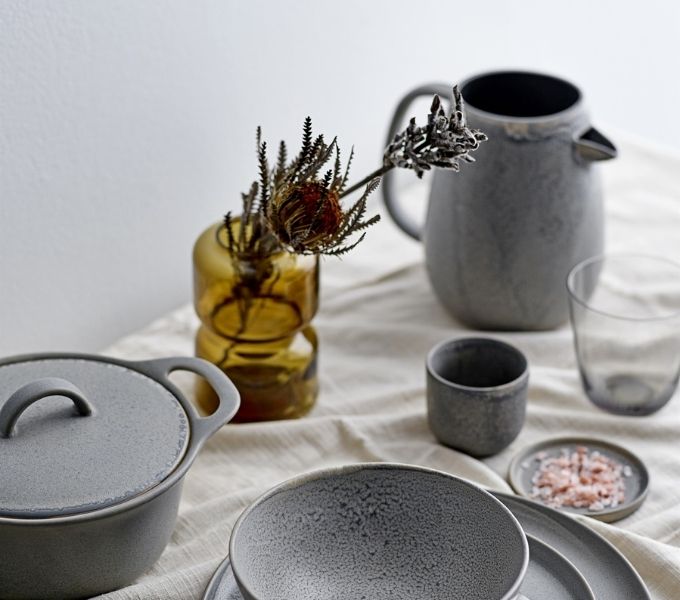
This style needs no introduction. It arrived a while ago from the frozen north and has settled in for good. Dominant colours are whites, greys, and earthy tones. We can also dare to add a stronger colour accent like black or gold to break up the palette of neutral colours.
In Scandinavian style, just like in rustic, natural materials like wood and cotton are appreciated. A simple wooden table with metal legs, plates with simple forms (here we can go wild with colour and opt for turquoise or yellow), table runners with a delicate pattern, fanciful placemats, and fabric napkins made of natural fabric will work well here.
Scandinavian style loves elements of nature.
Symbolic and simplified animal likenesses and modest ornaments are also welcome here. Let's use them with discernment, adding them as an accent to the styling, a detail that will give it character. We can also play with patterns and place plates from the same series but with different designs on the table. This style is full of lightness, so it allows for a wink and a nod. The overriding goal of this styling is to create an impression of cosiness combined with modern and refined design.
Tip




Glamour Style
Do you like chic, extravagance, and sparkle?
If so, then glamour style is for you. This style isn't afraid of silver, gold, and shine. The common denominator is elegance and good taste, and since it's easy to overdo it in glamour style, let's try to combine accessories so they look chic together but don't compete with each other. So, if we like gold, let's use it in the tableware (e.g., gold cutlery) as an element, but not as a dominant colour, otherwise our table will start to resemble a gold vault, which we'd rather avoid. Don't be afraid of white, black, or dusty pink though. With their help, we can create a unique arrangement. Glamour style also allows for "heavier" colours like blacks, burgundies, and even crystal elements.
In this style, the quality of materials is also very important - a poor-quality napkin or tablecloth can spoil the whole effect. Therefore, it's better to have fewer elements, but make sure they are well-made.
Tip


Minimalist Style
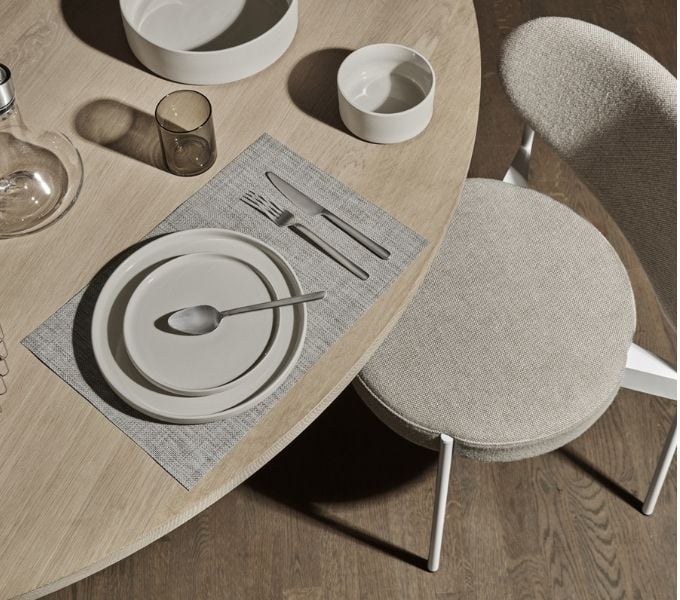
In contrast to glamour style, here it's not about extravagance, but about moderation. Or rather, reduction to a minimum. Less is more. In minimalism, there may be few elements, but they should be of good quality and chosen wisely.
In this styling, every element of the tableware matters because on a modestly set table, it will be perfectly exposed and visible. Form, simplicity of lines, and material are key here. Simple things in subdued colours can be incredibly sophisticated and beautifully designed.
The colour palette in minimalist style is also usually reduced to basic colours like blacks, whites, and greys, sometimes broken up by a stronger, symbolic accent. Some worry that minimalism will be cold and sad, but that doesn't have to be the case at all. One warmer colour accent (for example, a fabric napkin in honey or gold) can really warm up the look of such a table. You can also place a green branch in a simple vase on the table, and the minimalist decor will easily take on a cosy character.
Tip




Traditional Style
Traditional style and classicism will always stand the test of time, so if you're wary of experimenting, stick to tried and tested solutions. This style is probably familiar to all of us from home, when family would gather around the table for celebrations or holidays. But this classic styling will also work well for smaller occasions.
A beautiful setting for dishes is always a good idea.
When we think of traditional style, elegant white plates, silver cutlery, and teacups with matching saucers usually come to mind. Once upon a time, that may have been the case, but now we can freely modify this style and add elements that will breathe new life into the styling while still maintaining its classic character. Perhaps we can try experimenting with place settings that have floral ornaments? Or coloured plates? Maybe we can place rowan branches on an elegant, ironed tablecloth to liven it up? Of course, we must be careful not to make the table too chaotic and wild, as we would lose its traditional character.
But in addition to classic and elegant tableware, proper arrangement of place settings and correct placement of cutlery is also essential. This way, we will maintain the desired symmetry and a sense of harmony.
Remember, classic doesn't have to be boring!