Beer is a popular alcoholic beverage, loved by many. There are many types on the market. To avoid getting lost in the wide selection, we've prepared an article presenting the classification of beer and its most famous varieties. We also advise on how to store and serve the golden drink.
The History of Beer and a Few Words on Craft Beer
The first beer...
was brewed in Mesopotamia – back then, it was made from bread. In Europe, the Slavs were the first to brew beer. According to records from Gallus Anonymus's chronicles, beer was freely enjoyed during the coronation of Bolesław the Brave, whom Gallus Anonymus called a beer lover. Although, it must be said that monks were responsible for the development of the brewing art. After all, they had excellent conditions for it, such as spacious and cool monastic cellars. It was not until the 12th century that urban and court breweries began their operations, and beer production truly took off. Over the centuries, beer underwent numerous transformations, aiming to perfect its recipe. And so, currently, we have many types and varieties of the golden drink – undoubtedly, every connoisseur will find something for themselves.
It is also worth mentioning the recently very popular craft beer, also known as artisanal beer. Craft breweries do not produce beer on a mass scale, are independent, and brew beer using traditional or unusual ingredients. Craft beers are precisely brewed and delight with original flavours. They are produced with passion, dedication, and the joy of the brewer-artisan from brewing the golden drink. Loved by many people around the world and considered something more than just ordinary beer.
Not just about beer!


Top-Fermented Beers – Ale
The beer production method known as top fermentation involves brewing this beverage using specific yeast strains. This process takes place at a temperature of 16-24 degrees Celsius. After the brewing process is complete, the beer yeasts are on the surface of the wort, hence the name – top-fermented beers. This type of beer is characterised by a complex and rich aromatic bouquet.
Ale beers are a very diverse group, encompassing many varieties and subtypes. The most popular include Pale Ale beers, i.e., light beers brewed in Great Britain, characterised by an amber colour, which owe their unique taste to special water with a high calcium content. This type also includes American Pale Ale (APA), characterised by a strong, hoppy aroma with a citrus note and a colour from light gold to dark amber. But that's not all. Among Pale Ales, we also find India Pale Ale (IPA), which is a beer with an intense, hoppy aroma with a floral, fruity, and resinous blend. This drink is also distinguished by a pronounced bitterness.
Another group is Belgian Ales, characterised by a refined, somewhat sour taste. Some believe that this drink resembles wine more than beer. The most popular variety is Witbier, which is a traditional Belgian wheat beer with a pronounced cereal character and a refreshing citrus aftertaste.
Among top-fermented beers, we also find Irish Ales. The most popular is Stout, i.e., a beer with a dark colour, produced from roasted barley malt and a large amount of hops, which gives it a characteristic chocolate-coffee aftertaste.
And finally, it's worth mentioning German Ales, and in particular the Weissbier variety, i.e., a light or dark sparkling beer, brewed from barley malt with the addition of wheat malt, which smells incredibly of spices.


What to serve top-fermented beers in?
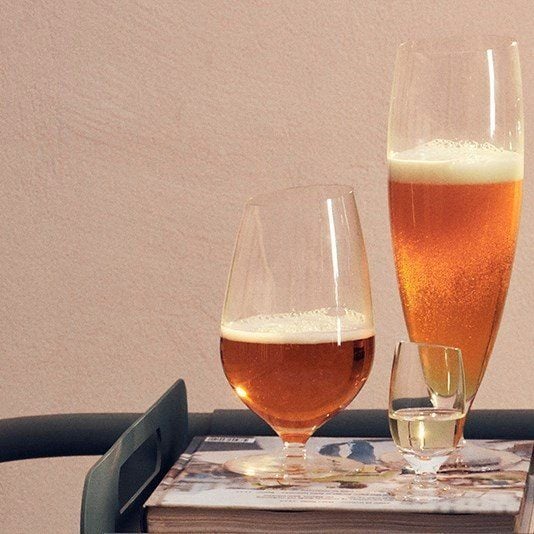
- Snifter, or a stemmed beer glass with a bulbous shape – wide at the bottom and narrowing towards the top. This glass design perfectly showcases beer aromas. The strongest beers, such as Stout, taste best in a Snifter glass.
- Tulip is a type of beer glass whose shape resembles a tulip. It is similar to a Snifter, but has a characteristic curve in the upper part of the bowl. This type of glass excellently maintains the head and wonderfully emphasises the rich taste and aroma of beer. It is an ideal choice for distinctive Ale beers.
- Goblet – in appearance, it may resemble a chalice, but it is made of thicker glass and does not have a narrowing in the upper part. This vessel wonderfully enhances the taste of Belgian Ales and IPAs.


Beer Calories
Bottom-Fermented Beers – Lager
Lager beer...
Bottom-fermented beers are brewed with the participation of appropriate yeasts, and the entire process takes place at a temperature of 8-12 degrees Celsius. The characteristic feature of the Lager beer family is a refreshing taste and a clean bouquet with a delicate hint of hops and malt. Among bottom-fermented beers, the following varieties are listed:
- Classic Lager – a classic light beer usually characterised by a higher than average alcohol content and a lower level of bitterness. It is brewed in many different ways, including with the addition of sugar, hops, and sometimes even maize.
- German Pilsner – a refreshing beer with a light, straw colour, in which a cereal aroma prevails, all thanks to the presence of Pilsner malt. Its characteristic feature is a floral aroma.
- Czech (Bohemian) Pilsner – beer brewed from Moravian barley malt, crisp and complex in taste, with a distinctly noticeable hint of hops and spicy aromas.
- Bock – a very strong and very aromatic beer brewed from barley or wheat malt. It comes in colours from light to dark mahogany and copper.
- Baltic Porter – a beer with a strong character, dark colour, and dry taste, in which you can find an aroma of roasted grain with caramel, and sometimes even nutty and chocolate notes.


What to serve bottom-fermented beers in? The right choice is:
- Beer mugs, i.e., vessels made of thick glass, characterised by durability and sturdiness. They are particularly suitable for light lagers, Czech Pilsners, and Bocks.
- Beer chalices have a stem and are made of thin glass, in which the colour of the beer and its clarity are perfectly visible, and their shapes are designed to maintain the beer head for a long time. This is an excellent choice for dark lagers and Bocks, as well as Pilsners.
- Beer glasses are made of thin glass, have no stem or handle. They are tall and slender, perfectly showcasing the colour of the drink. They excellently emphasise the taste of bottom-fermented beers.


Sometimes you prefer a good drink instead of beer? Visit FormAdore Magazine: 5 Recipes for Warming Winter Drinks and discover the recipes for the best winter drinks.
How to Store and Serve Beer?
The golden beverage has its requirements, which are worth knowing and taking into account when storing and serving it, to bring out all the best in it. To ensure beer retains its original flavour bouquet, it should be stored in appropriate conditions, i.e., in a dark and cool place and preferably in an upright position. The serving temperature of the drink is also extremely important. Light and low-alcohol beers should be served at a temperature of 5-10 degrees Celsius, while dark and strong beers at a temperature of 12-14 degrees Celsius.
Good to know!

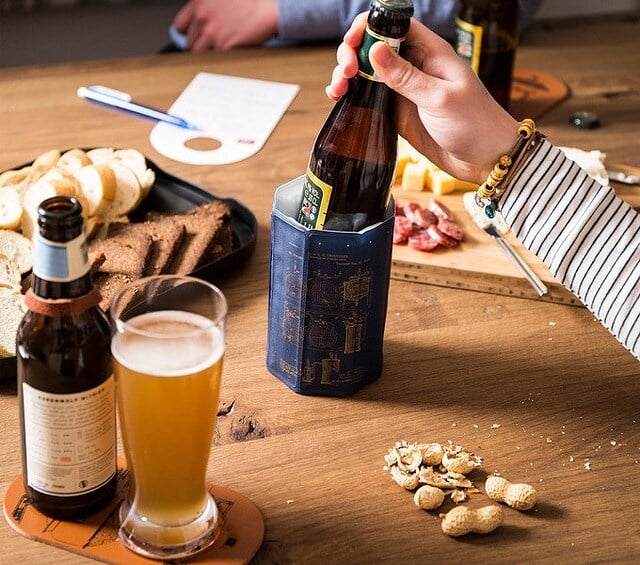


Glass adds aesthetics to the beer and enhances its taste and aroma, as we already mentioned in the previous part of the article. However, it is also important to properly prepare beer glasses, which should primarily be perfectly clean. Remember also to rinse the beer glass under cold water before pouring the drink, to match the temperature of the glass to the beverage.
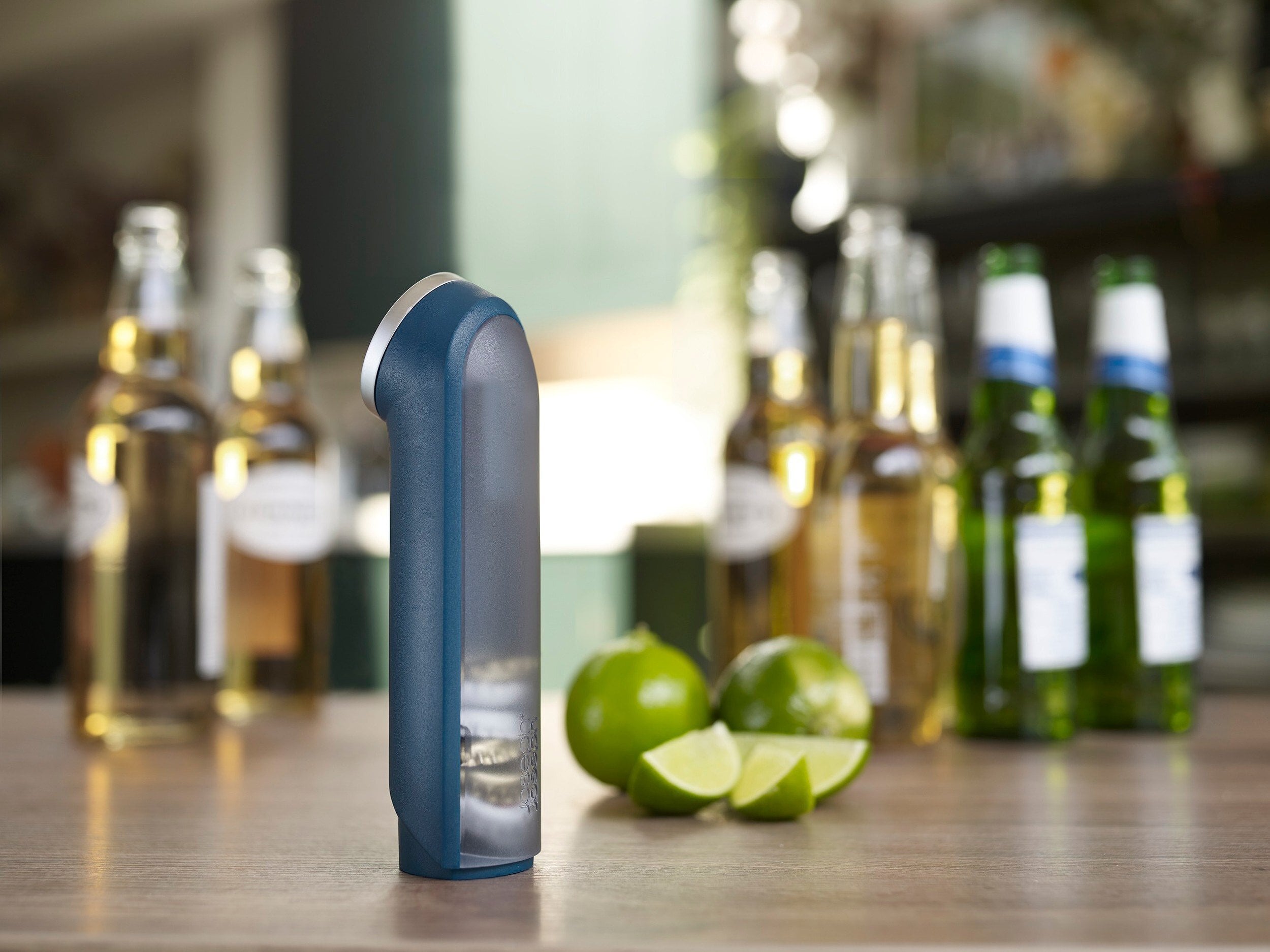
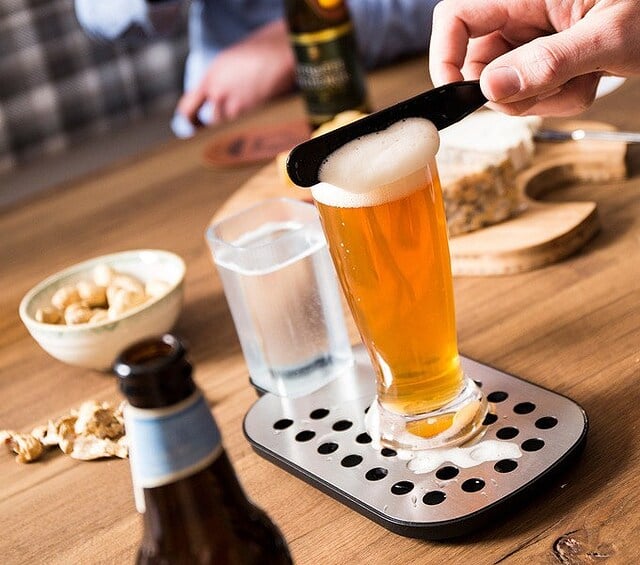
Is there anything else we should remember when serving beer? About a bottle opener, aesthetic coasters, and a foam maker! Surely every connoisseur of the golden drink knows how to open a beer, although we are convinced that the bottle openers we offer will make it much easier. In turn, a beer foam maker will allow you to get a delicious, thick, and aromatic head. Don't worry, however, if it turns out that there is too much foam – a beer razor will come to the rescue, which will remove the excess.

Remember to pour beer along the side of a tilted vessel. Only towards the end, tilt the vessel upright to obtain a small head, thanks to which the drink remains delicious and aromatic for a long time.
And now we finally move on to the most enjoyable activity, which is tasting beer. We start by observing its colour, clarity, bubbles, and foam. Next, we bring the glass of beer closer and inhale its scent. Only now do we take a sip of the golden beverage and hold it on our tongue for a moment to assess its taste qualities and bitterness level. Enjoy your indulgence!