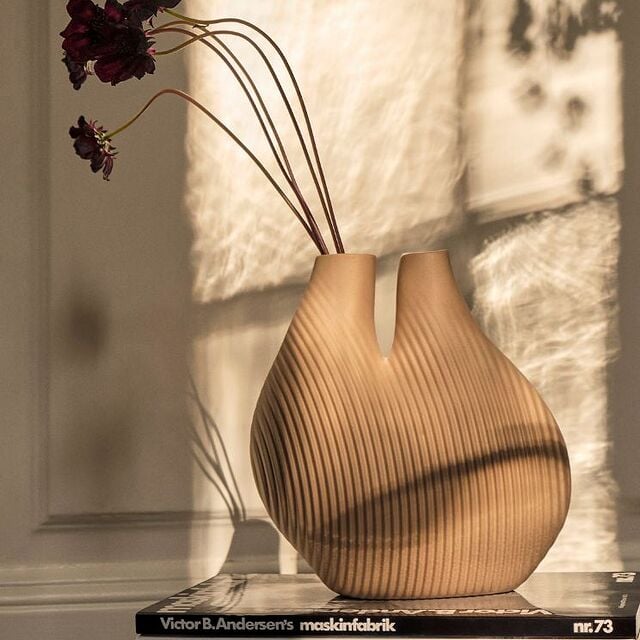
In a world that's constantly speeding up, our interiors can become a space for slowing down. I'm sharing the objects that have transformed the way I experience daily life – from the Pulcina moka pot that turns mornings into a ritual, to the Kintsugi cup that reminds me of the beauty of imperfection, to the Harmony alarm clock that gave me back my evenings. This isn't a shopping guide. It's an invitation to reflect on how a conscious choice of design can support presence, peace, and well-being in your life.
Design that makes you pause
I believe that our surroundings shape us. It's not just about aesthetics or fleeting trends – it's about something deeper, more personal. The spaces we inhabit set the rhythm of our lives. A well-composed interior can transform even a simple morning coffee into a small ritual that sets the tone for the entire day.
Over the years, I've come to realize that design isn't just about objects – it's primarily about space. Space to breathe, to think, to simply be yourself. In a world that constantly demands our attention, where stimuli bombard us from every direction, our interiors can become a sanctuary. A place where we can finally slow down.
Good design, for me, is more than just beauty – it's peace and focus woven into everyday life. Well-designed, beautiful objects offer an escape from the noisy world, allowing us to find solace in simplicity. I don't need a lot of things. I need the right things – those that have their place, their function, their meaning.
I started to notice that the objects around me could either drain my energy or give it. They could distract or help me concentrate. They could be just background noise or a conscious choice that supports how I want to live.
In this article, I want to tell you about a few of them. About objects that have changed the way I experience everyday life. About a moka pot that transforms the morning rush into a calm ritual. About a cup and plate that teach presence at the table. About an alarm clock that gave me back my evenings, and finally, about organizers that create mental space.
This isn't a shopping guide or a list of must-haves. It's an invitation to reflect on what you surround yourself with and how these objects impact the quality of your life. Because when we surround ourselves with thoughtful items, crafted with attention to detail, with respect for material and function – something changes. Our gestures become more conscious. Our days gain depth. And ordinary activities turn into moments we truly live.
Moka pot and the scent of coffee at dawn – morning as a ritual
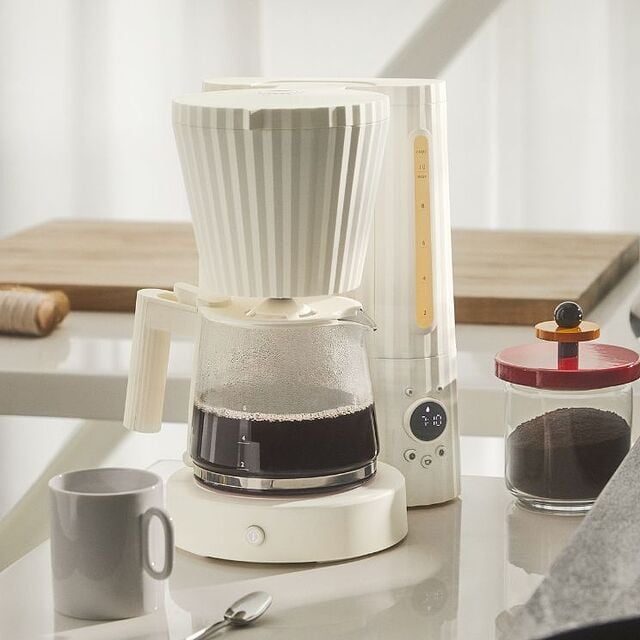
I'll admit, I used to be a coffee addict, and if you asked me about my favorite coffee, I'd simply name its brand. Today, I don't just drink coffee. I celebrate it, and my favorite is the one I drink at dawn, in a quiet house, before it fills with the sounds of the day. In my favorite cup, brewed in my favorite moka pot. And this change happened somewhere between automatically turning on the espresso machine and discovering what a morning ritual could be.
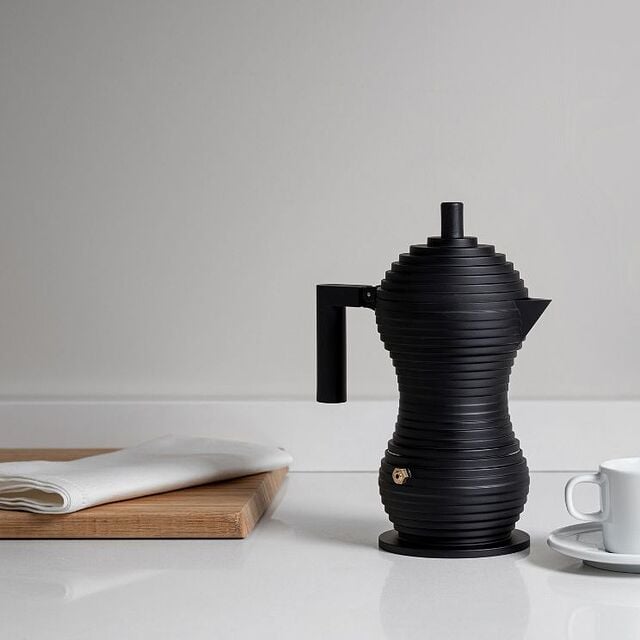
The Pulcina moka pot, designed by Michele De Lucchi for Alessi, has been in my kitchen for years. It's an icon. Reliable, extraordinary, beautiful. It's not just an object for making espresso. It's a moment of silence and focus. It's an opportunity to smell the coffee, to perform specific, repetitive actions, to calmly greet the day before its rush takes over. I take the moka pot from the cabinet, and its ribbed texture awakens my fingers. I unscrew it, pour in water, add freshly ground coffee, screw it back on, and place it on the stove. Every gesture has its place. Every one requires presence. Instead of pressing a button, I reach for my 'chicken'. I hear the gurgling of water in the metal pot. These details create an experience, and experience creates us.
This moka pot doesn't just brew coffee, it brews a lifestyle. And that's the power of good design.


Cup and plate – celebrating simplicity
Coffee or breakfast is more than just sustenance for me. It's part of my morning routine, and every ritual – even one based on simplicity and repetition – requires the right setting.
A favorite cup or mug is an item you reach for intentionally. Objects whose shape, touch, and texture bring you joy. My cup from the Kintsugi collection by Seletti is a combination of everything I love – Italian fantasy, Japanese craftsmanship, and art. It's an object that reminds me of Japanese literature, of the philosophy of repairing broken things with gold, of beauty in imperfection. And yet, it winks at me, revealing its true, Italian roots. When I run my finger over the joins, I feel that delicate unevenness of the surface. It reminds me that the value of things lies not in their flawlessness, but in the story they carry.
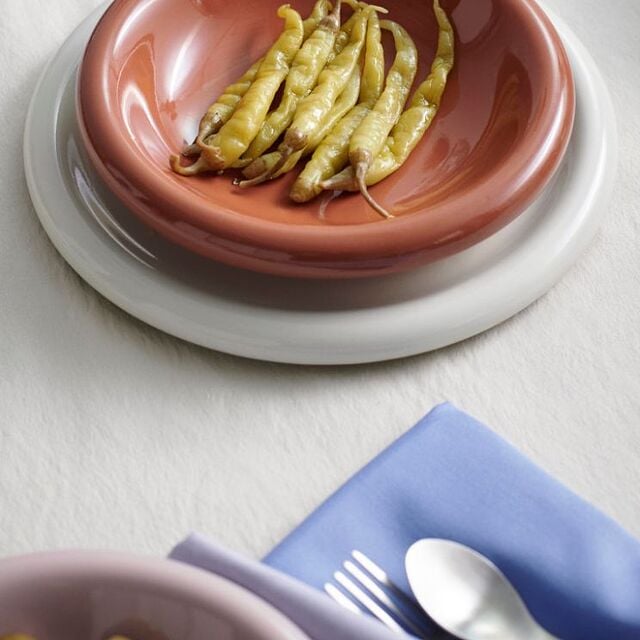
It's similar with my plates from the Barro collection by Hay. Rounded edges, beautiful color, a form that brings pleasure in itself. These are not random dishes. They are a conscious choice that changes the way I eat my meals. Not on the run, not on the first plate pulled from the cabinet. When I eat breakfast from a plate I like, I naturally slow down. I notice the taste, the texture, the temperature. I celebrate every bite and sip.
I know, for many, this might sound like an exaggeration – to attach importance to cups and plates. But these objects participate in our daily rituals. We touch them every day, several times a day. They can either turn ordinary activities into moments of presence, or leave them as they often become – mechanical gestures performed in distraction. The choice is yours.


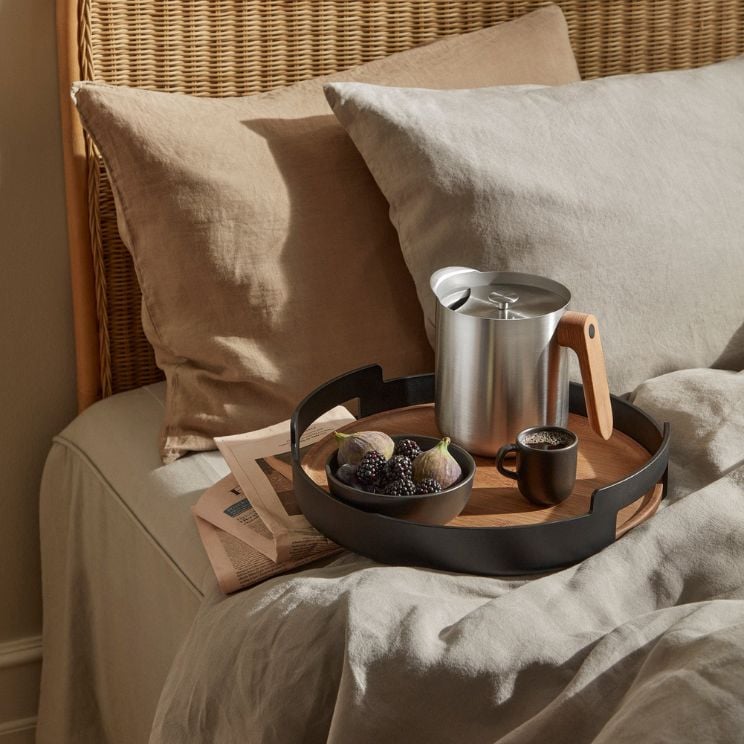


Design supporting digital detox
Can objects like an alarm clock, phone charger, or candle holder shape our rituals and support us in seeking well-being? Can an alarm clock be an ally in caring for regeneration and peaceful sleep? Before you answer these questions with a firm 'no', let me tell you about a few incredibly conscious designs that have changed the way I think about evening and morning hours.
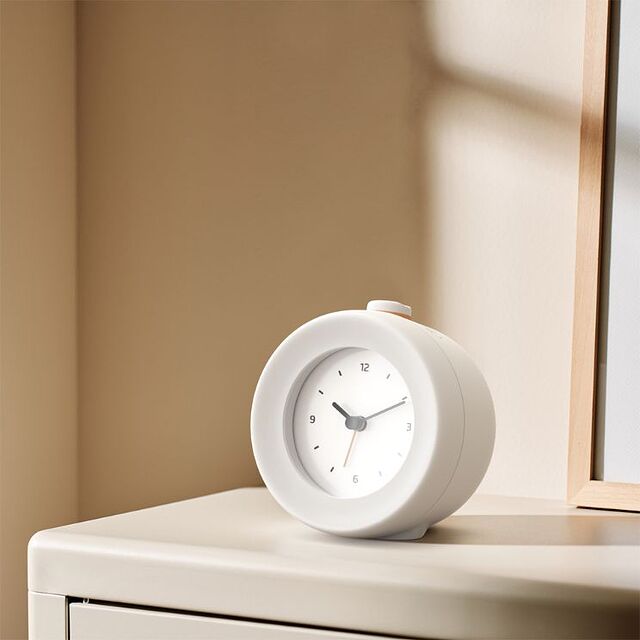
"I know this will sound strange, but ever since I got it, my life has truly changed." When my friend told me this, in a conversation about an alarm clock, I thought she was exaggerating. An alarm clock? Really? But she was completely serious. Buying the Harmony alarm clock from Mudita triggered a domino effect in her life. First, her phone ended up outside the bedroom. Then she stopped checking notifications and emails two hours before bed. She set a relaxing melody to accompany her falling asleep (which, of course, turns itself off over time). And in the morning? Instead of a sharp, piercing alarm sound from her phone, she's woken by the gentle rustle of Baltic waves.
The result? More and more minutes of deep sleep recorded on her watch. And more and more enthusiasm in her stories!
I admit, I was jealous, so I treated myself to the same detox luxury. My phone exits the stage at eight in the evening. I've returned to reading books before bed and have truly felt the difference. This alarm clock doesn't just wake you up. It helps build an evening ritual, sets a boundary between day and night, between being online and being with yourself. Today, I not only want to recommend it to all my friends with problems in their relationship with Morpheus, but also to take it with me even on short, weekend trips.
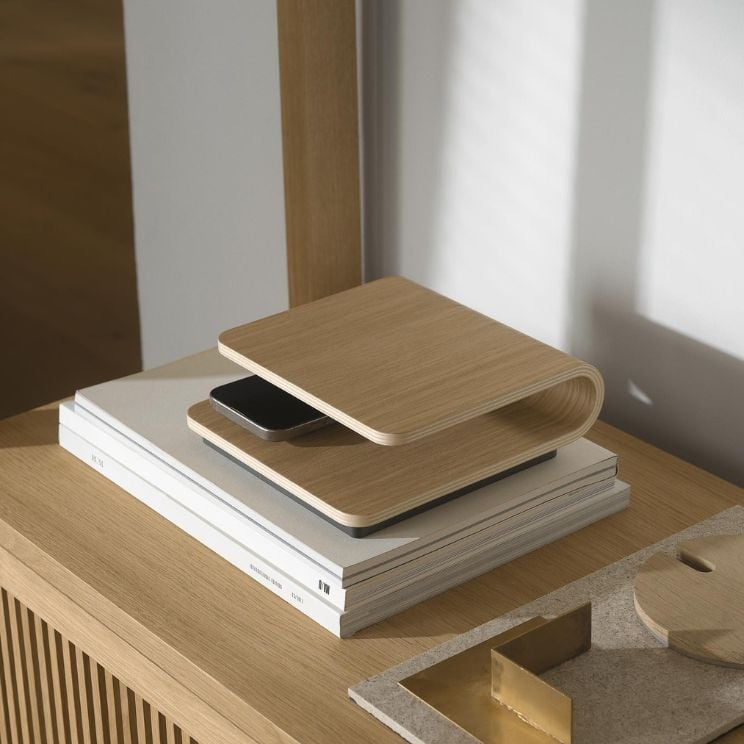
This isn't the only design that responds to our ever-increasing screen time and overstimulation. The Ro wireless charger from Stelton, designed by Niels Kjeldsen, deliberately obscures the screen of the phone being charged, offering not only functionality but also rest, and a form and material that evoke nature. It's a subtle reminder: don't look, take care of yourself.
The designer of the Digi Detox candle holder from Höfats went even further. Not only did he take to heart the brand's mission, which cares about time spent with family or friends, but he also created a candle holder design that – for the candle to stand upright and the wax not to drip onto the tabletop – requires a phone to be placed underneath it. It's a witty yet apt encouragement to give up nervously glancing at the screen and be present here and now – in a real relationship, in conversation with children or friends.
These objects don't moralize. They simply create a space where it's easier to choose presence over distraction.




Space organization as a form of self-care
Overwhelming chaos, a feeling of being rushed, and a perpetual lack of time – these are feelings that, in the face of modern life's pace, accompany almost all of us. Consequently, we actively seek ways to simplify our duties and eagerly reach for solutions that organize daily life and give us back fleeting minutes.
Organization is a form of control that helps us feel like we have an impact on our surrounding reality. When we are organized, every task becomes faster, simpler, and less time-consuming – which naturally reduces stress. This is why the trend for perfect meal organization, planning, preparing, and storing them, or perfectly organizing the home, is growing. The fame of Fumio Sasaki and Marie Kondo, publications on the Japanese art of minimalism, constantly lengthening lists of decluttering tips – all this shows how much introducing organizing solutions into our lives has become part of the culture of self-care.
Today, more and more people treat daily routines not as boring obligations, but as conscious rituals. Organizing space ceases to be merely a utilitarian activity – it becomes an act of caring for one's own well-being. It has a meditative quality, gives a sense of control over one's own world, even if we cannot control the entire world around us. It's a gift to our present and future selves – it reduces the likelihood of stress and ensures we quickly find what we need.
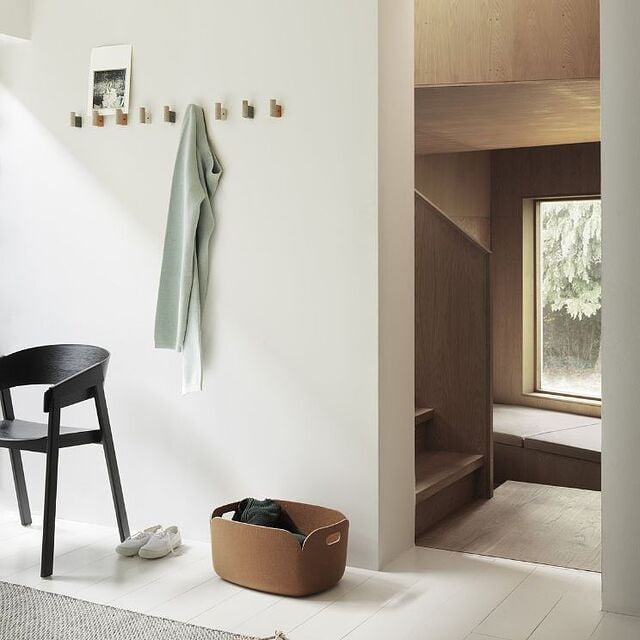
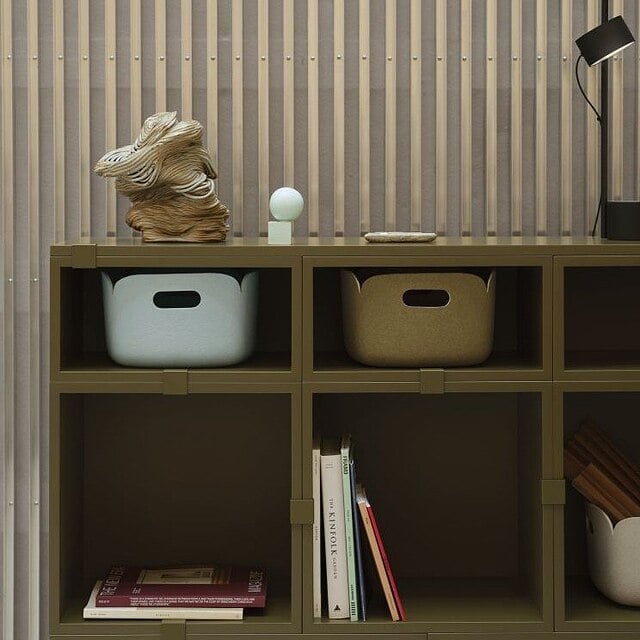
What's more, organizing our home can also bring us pleasure thanks to the beautiful objects that designers offer us. Restore organizers from Muuto are not just practical spaces for putting away everyday odds and ends – they also feature soothing, Nordic colors and soft felt that invites you to touch and run your hand along its edge. Beautiful storage boxes, storage baskets, and desk organizers remind us that order doesn't have to be ascetic and cold. It can be warm, sensual, friendly.
When I organize my space, I create conditions in which it's easier for me to function. Every item has its place. Every activity flows more smoothly. And I gain something priceless – mental space that was previously occupied by chaos and the constant search for things. It is this space that allows me to be more present in what I do. And that is the essence of organization as a form of self-care.




Conclusion – Your own list
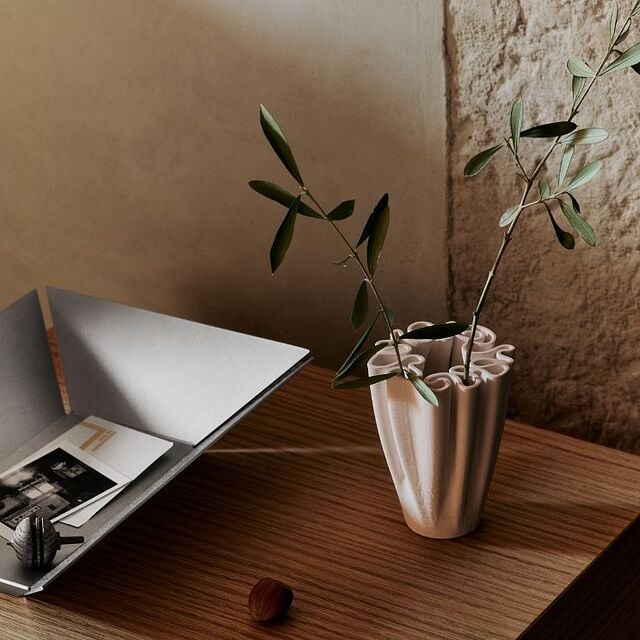
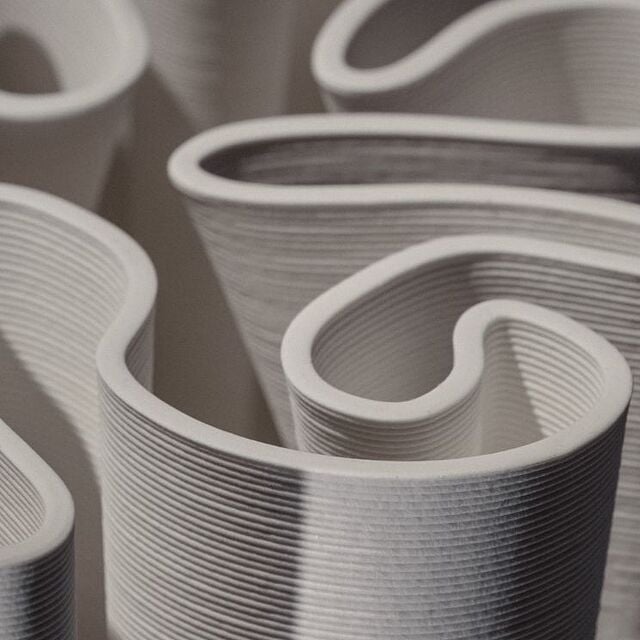
I could list many more items here. A teapot that has become an inseparable companion of evening moments. A candle whose lighting marks the boundary between work and time for myself – whether I spend it on a yoga mat or on the couch with a TV show. A water bottle that travels with me everywhere. A ceramic bowl in which market fruits become a small still life on my island. A vase with an irregular, rough texture that I run my fingers over as I walk through the living room.
But it's not about overwhelming you with my favorite items. Nor is it about you buying everything I've described here. It's about something else.
I want to encourage you to choose consciously. To choose items for years – ones that will accompany you daily, turning routines into rituals. Objects you reach for with pleasure, that grow more beautiful with time, that carry the history of your gestures. Because our surroundings shape us. And we have the power to shape our surroundings.
The question is: what do you want to surround yourself with? What do you want to hold in your hands every day? What objects have the right to participate in your morning and evening hours, in your moments of silence, in your daily life?
Your list may look completely different from mine. And that's the beauty of it. Because design that supports well-being is not universal – it's deeply personal. You decide what makes you slow down, what helps you be present, what makes your daily activities more than just mechanical work, an obligation, another thing to do.
Start with one thing. Let it be something you touch and use every day. And ask yourself: is this an object with which I want to celebrate my everyday life? I hope you find many of them here at FormAdore.