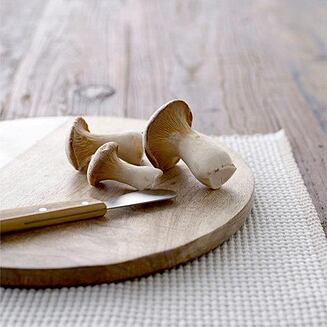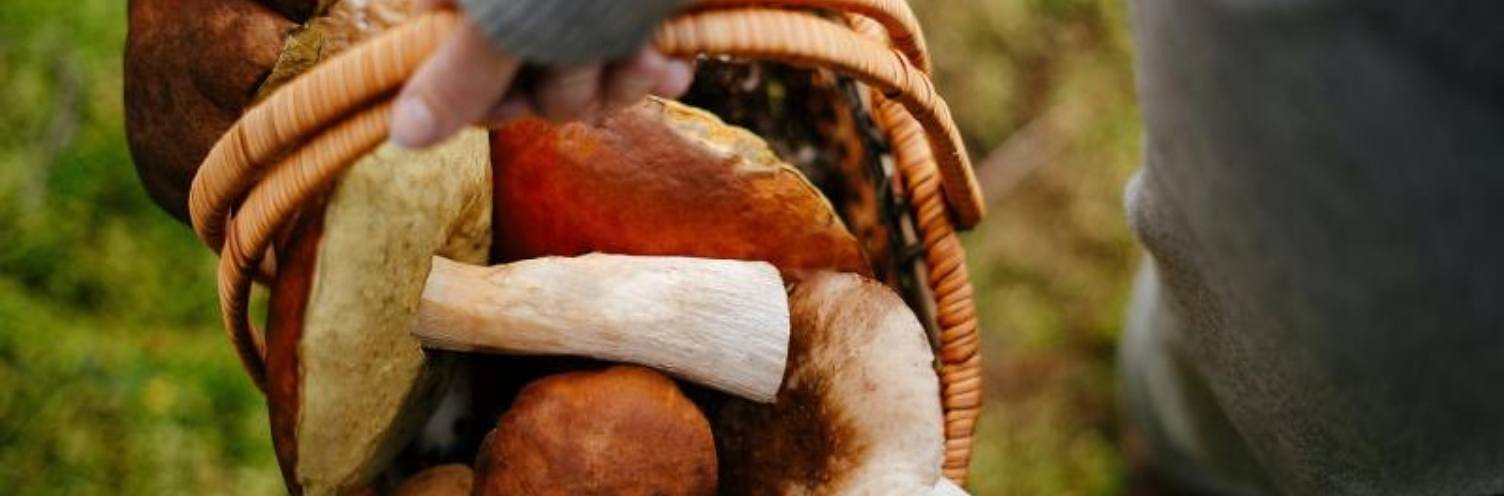
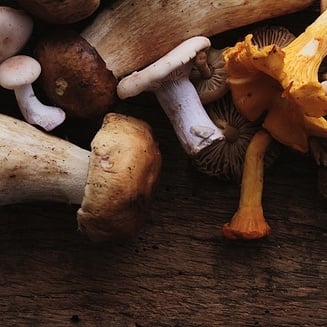
"To the mushrooms! On every free day...". - Who knows, but those who came before knew perfectly well how to take pleasure in such simple pleasures as a trip to the forest in search of the aromatic treasures of autumn. After all, isn't a stroll among the trees in peace and quiet, combined with the picking of large porcini, buttermilks, chamois and bay boletes, a recipe for a wonderful day? Especially if, on returning home, you can conjure up a wonderful, aromatic meal from these mushrooms?
Mushrooms - what are their nutritional values?
Although mushrooms are primarily valued for their incredible taste and delightful aroma, it should not be forgotten that they are also a rich source of nutritional value. Depending on the species, they can contain up to around 80% water, and the rest is protein containing almost all amino acids. What may be surprising to many is how many vitamins are hidden in these delicacies. Mushrooms provide the body with vitamins A, and B vitamins and vitamins C, D and E as well as minerals (potassium, phosphorus, calcium and magnesium) and powerful natural antibiotics (penicillin, streptomycin and tetracycline are extracted from mushrooms). Regular consumption of mushrooms can therefore have a positive effect on the functioning of the immune system and help to lower cholesterol levels.
How do you pick mushrooms safely?
The answer is simple and obvious, but never enough of a reminder of the basic safety rules. Well, we only pick mushrooms that we know! If we have any doubt as to whether a mushroom we have found is edible or poisonous, we don't put it in the basket. You can, of course, use photos from a mushroom atlas or information found on the Internet, but inexperienced mushroom pickers, for their own safety, should, after each trip to the forest, report to the nearest SANEPID station with their findings and ask the specialists to check whether there is a mushroom among the collected ones, the consumption of which would pose a threat to health or life.


Reliable ways to store mushrooms
Mushrooms taste best cooked fresh, but of course, you can also store them if you don't plan to eat them all at once. Here are some tried and tested methods.
The fridge is the best place for storing mushrooms for a short period of time, but remember that if you leave them there, they should be consumed the next day at the latest, otherwise they may spoil. In order to provide them with the right conditions, they should be placed in a container which allows air to circulate (a strainer or colander is best) or laid flat on a cloth and covered with a piece of fabric. In addition, mushrooms should not be cleaned or soaked in water. This should be done immediately before consumption.
Another tried and tested method for storing mushrooms is to freeze them. Although this method cannot be used for all species (e.g. black-boletes, boletes, chanterelles and other flatworms cannot tolerate it), the most popular and best-loved bay boletes and ceps can be kept in the freezer for up to 8 months without any worries. Before freezing, it is essential to blanch the mushrooms in salted boiling water, then drain and dry thoroughly.
Check out our freezing containers.



$133.88
Zwilling Fresh & Save Vacuum containers glass with bags and pump 7 el.
Zwilling
shipping in 24 h


Drying mushrooms - how do you preserve their flavour for longer?
Although drying mushrooms is a labour-intensive method, it works well, especially if you end up mushroom picking with an abundant harvest. You can dry your mushrooms in at least 3 ways:
- in the oven
- in the open air
- in a special dryer for mushrooms, fruit and vegetables.
Oven drying usually takes about 8 hours. The temperature should be set at 40 - 50 degrees Celsius and the oven door slightly ajar so that all the moisture from the mushrooms can evaporate. The most traditional and also the most labour-intensive method is open-air drying. Cleaned and sliced or chopped mushrooms need to be strung on a thread and then the mushroom beads need to be hung up in a warm place in the home (preferably near the cooker or, if possible, over a coal cooker). It is also convenient to use a mushroom drier, which, thanks to its special design, distributes the warm air evenly over the entire surface. At a temperature of 70-80 degrees Celsius, the mushrooms are dried after only about 5-6 hours.

Recipe ideas using mushrooms
Mushrooms can be used to conjure up a myriad of wonderful dishes, both those suitable for special occasions and those that can be enjoyed every day with loved ones.
Lasagne with mushrooms
A great idea for using mushrooms to make a filling dinner is to make mushroom lasagne.
Ingredients:
- Lasagne pasta sheets
- Fresh or frozen mushrooms (preferably bay boletes and porcini) - 750 g
- A few cloves of garlic
- A handful of chopped parsley
- Oil for frying
- Milk - 1 cup
- Flour - a few tablespoons
- ½ cube of butter
- Grated nutmeg
- Grated mozzarella cheese for baking - 1 packet
- Grated Parmesan or other hard-ripened cheese - ¾ cup.
Method of preparation:
- Cook the pasta sheets to soften slightly, as the sauce may not be moist enough to get the right texture when baking.
- Fry the sliced or quartered mushrooms (if using frozen, you will need to defrost them beforehand of course) in a pan in olive oil together with the sliced garlic and parsley. Reduce the heat, add the chopped parsley and simmer for a few more minutes until softened. Season with salt and pepper.
- In a separate pot, prepare the béchamel. Add a few tablespoons of flour to the melted butter and fry until lightly browned. Pour in the milk, add the nutmeg and a pinch of salt and stir vigorously until smooth and thick.
- Place the first layer of pasta in the bottom of an ovenproof dish and spread with a layer of mushrooms and béchamel. Repeat until all the mushrooms are covered, leaving a little of the béchamel for the very top.
- Arrange the grated mozzarella and Parmesan cheese on top. Bake for approximately 40 minutes at 180 degrees Celsius.
- Once baked, allow to rest for about 30 minutes until the pasta has set a little and has the right consistency. When it is slightly cooled, it is easier to portion.




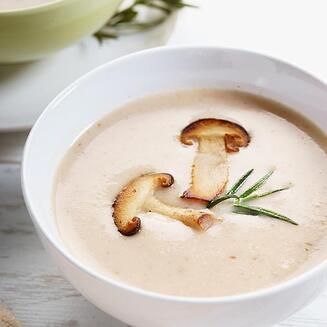
Grandma's Mushroom Soup
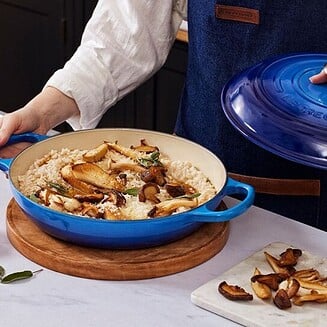
A plate or bowl of thick, steaming mushroom soup is a dish that can certainly lift the mood on even the gloomiest autumn afternoon. It can be prepared from dried, fresh or frozen mushrooms. If you use the former, pour warm water over them the day before and leave them to soak. To make cooking easier, use a sturdy, high-quality pot.
Ingredients:
- 600 g fresh or about 100 g dried mushrooms (preferably mixed)
- 1 litre of broth (can be vegetable, poultry or beef - depending on personal preference)
- 1 onion
- A few cloves of garlic
- 2-3 small potatoes
- 1 carrot
- Butter to fry the mushrooms
- A handful of fresh parsley
- 30% cream - 200 ml
Method of preparation:
- Add the finely diced potatoes and carrots to the broth and cook until the vegetables are tender.
- Prepare the sliced mushrooms, onion and garlic in a frying pan over hot butter.
- After about 10 minutes, transfer the mushrooms to the pot with the broth, add the cream, add the chopped parsley and simmer over low heat until the flavours combine.
- Can be served with a blob of sour cream or cheese croutons.




Wild mushroom tart
If you're planning a small party with friends and want to serve them something really exquisite as a starter, try this recipe for a delicious mushroom tart on a crisp buttery base. It's easier to make than you think and the dish is really spectacular!
Ingredients for the shortcrust pastry:
- 150 g wheat flour
- 100 g cold butter
- 50 g sour cream
- Salt
Ingredients for mushroom stuffing:
- 300 g fresh mushrooms (you can also use dried - then 100 g is enough)
- 2 tablespoons butter
- 1 shallot
- 2 cloves of garlic
- 3 eggs
- 150 g grated ripened cheese with a strong flavour (can be Cheddar, Gruyere or Grana Padano)
- 250 g sour cream
Method of preparation:
- Knead the ingredients for the dough quickly and put it in the fridge for about 60 minutes.
- After this time, remove, roll out, place in a tart tin and bake in a preheated oven at 200 degrees Celsius for 15 minutes.
- Fry the finely chopped shallots and garlic in the hot butter, then add the sliced mushrooms.
- In a separate bowl, scramble the eggs and combine with the grated cheese and cream and then season to taste. Fresh thyme or oregano may be added.
- Add the cooled mushrooms to the egg and cheese mixture and gently mix together.
- Pour everything onto the baked bottom and place in the oven for 30 minutes. Bake at 200 degrees.


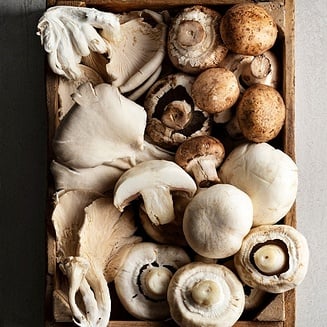
Mushrooms are full of umami, so they conquer and add flavour to many dishes. They are worth eating not only in season, especially as frozen and dried are equally delicious.