Not every toast needs alcohol to taste extraordinary. Mocktails are non-alcoholic cocktails that delight with their composition of flavors, fresh ingredients, and spectacular presentation. In this guide, we explain what mocktails are, how to serve them so they look like they came from the best cocktail bars, and share 5 tried-and-tested recipes so you can easily whip them up at home.
I must admit, a few years ago, non-alcoholic cocktails were, in my mind, mostly an emergency option for designated drivers. Today, mocktails are a symbol of a mindful approach to pleasure – and they fit perfectly into my beloved wellness philosophy, where celebrating everyday moments is what truly matters.
If you want to find out what a mocktail is and how to make one yourself, you'll find everything you need to get started right here. Get ready for unexpected flavor combinations and creative recipes!
Our bubbly guide is aimed at everyone who wants to explore the world of creative non-alcoholic drinks – whether you are a complete beginner or looking for fresh inspiration for your next home party.
Key Takeaways
A mocktail is a creative non-alcoholic cocktail for adults – zero proof, but packed with all the flavor, aroma, and elegance of classic drinks.
Instead of alcohol, our recipes use fresh fruit, green tea infusions, spices, vanilla extract, and maple syrup – making mocktails just as delicious as their alcoholic counterparts.
Mocktails boost your mood without the hangover and fit right into the booming NoLo trend.
What is a Mocktail?
The word mocktail is a blend of the words mock (to mimic) and cocktail. A mocktail is a non-alcoholic cocktail designed to mimic the complexity of an alcoholic drink – but without a single drop of alcohol. This is not just juice and water thrown into a glass; it is a carefully crafted composition of flavors and textures.
So, how does a mocktail differ from your average non-alcoholic drink? It’s all in the approach. Mocktails are mixology creations built on juices, infusions (like green tea or hibiscus), tonics, syrups, and herbs. They often recreate famous cocktails – a Virgin Mojito features mint, lime, and cane sugar; a Virgin Piña Colada calls for pineapple, coconut milk, and lemon; while a Relax on the Beach combines orange and passion fruit. There is also the Kiwi mocktail, which blends kiwi, banana, and lime juice. It’s an exciting side of the drinks world that is completely redefining how we think about alcohol-free beverages.
Mocktails are a staple of the NoLo (No Alcohol, Low Alcohol) movement, which has been taking the world by storm. According to WHO research, alcohol consumption has dropped in 22 EU member states compared to 2010. The market for non-alcoholic wines is growing rapidly, and alcohol-free spirits like gin or 0% prosecco have become hot topics in the beverage industry.






Mocktail Recipes: 5 of Our Absolute Favorites!
Here are 5 tried-and-tested step-by-step recipes – ranging from a light, summery Spritz to a winter dessert in a glass. Each recipe is so simple you can whip it up in just a few minutes. Mocktails rely on fresh fruit and herbs, so make sure to have them handy. Some of the recipes below use maple syrup and vanilla extract as natural alternatives to add depth.
1. Citrus Aperol Mocktail (Non-Alcoholic Spritz)
A fantastic alternative to the classic Aperol Spritz – perfect for summer, even if you aren't spending it in a picturesque Tuscan town. It’s a pleasantly bitter, citrusy drink with a hint of orange sweetness.
Ingredients:
60 ml non-alcoholic orange-herb aperitif
120 ml chilled non-alcoholic prosecco
40 ml sparkling water
A few orange slices
Ice cubes
Optional: 1 teaspoon of maple syrup
Preparation:
Fill a wine glass with ice (5–6 ice cubes).
Pour in the aperitif, followed by the non-alcoholic prosecco.
Top it off with sparkling water.
If you prefer a sweeter, milder taste, stir in a teaspoon of maple syrup.
Give it a gentle stir with a bar spoon.
Garnish with an orange slice and a thin strip of orange zest – serve during cozy evening chats on the balcony to feel like Romeo (or Juliet).
2. Citrus Green Tea – A Light, Detoxifying Mocktail
A refreshing non-alcoholic cocktail based on green tea – perfect for a post-work afternoon wind-down. Light, healthy, and completely guilt-free.
Ingredients:
150 ml strong, chilled brewed green tea
Juice of half a lime
1 tablespoon of maple syrup
A few fresh mint leaves
Sparkling water to top up
Ice cubes
Preparation:
Brew the green tea (3–4 minutes), let it cool, and chill it in the fridge.
Muddle the mint leaves with the maple syrup at the bottom of a glass.
Add ice, then pour in the chilled tea and lime juice.
Top with sparkling water and stir gently.
Garnish with a lime slice and sprigs of mint. Serve in a tall glass with a long straw.
Our Tip: Prepare a larger batch in a teapot or pitcher – it’s a super practical drink for summer garden parties and a sophisticated alternative to standard lemonade.




3. Vanilla Virgin Mojito with a Tropical Pineapple Twist
A tropical spin on a beloved classic – the traditional Virgin Mojito elevated with the warm aroma of vanilla and sweet pineapple juice. Perfect for when you want to escape to an exotic beach without packing your bags.
Ingredients:
Lime wedges (2–3 pieces)
2 teaspoons of cane sugar or 1 tablespoon of maple syrup
A handful of fresh mint leaves
1 teaspoon of vanilla extract
50 ml pineapple juice
Sparkling water, ice (crushed or cubed)
Preparation:
Muddle the lime wedges, sugar, and mint at the bottom of a tall glass.
Add the vanilla extract and pineapple juice.
Fill the glass with ice and top it off with sparkling water.
Give the mixture a gentle stir and garnish with a sprig of mint and a fresh pineapple wedge.
4. Autumn Apple-Ginger Mocktail with Maple Syrup
A warming, non-alcoholic drink for chilly evenings – perfect from September onwards. Instead of reaching for soda, choose a healthier, immunity-boosting alternative: apple juice with a spicy kick of ginger.
Ingredients:
150 ml apple juice (preferably freshly pressed)
20 ml lemon juice
1 tablespoon of maple syrup
A few slices of fresh ginger
Sparkling water or a light tonic
Ice cubes prepared in ice cube trays
Preparation:
In a shaker, combine the apple juice, lemon juice, maple syrup, and ginger slices.
Add a few ice cubes and shake vigorously.
Strain into a glass filled with fresh ice.
Top with sparkling water or tonic, and stir.
Garnish with a thin apple slice and a pinch of cinnamon on top.
Enjoy this mocktail cold, or try it gently warmed up (without the carbonation) – it makes a fantastic non-alcoholic alternative to mulled wine.
5. Chocolate-Vanilla "Santa's Eve" Mocktail
A rich, creamy non-alcoholic cocktail reminiscent of a cozy winter treat – ideal for December and festive holiday evenings. A few drops of vanilla extract make all the difference here, so don't skip it.
Ingredients:
200 ml milk (or your favorite plant-based milk)
2 teaspoons of unsweetened cocoa powder
1 teaspoon of vanilla extract
1–2 teaspoons of maple syrup
A pinch of cinnamon
Whipped cream (optional)
Ice cubes (for the frozen version)
Preparation – Warm Version:
Heat the milk with the cocoa powder, maple syrup, and cinnamon.
Stir in the vanilla extract at the very end – do not let it boil.
Pour into a large mug, and top with whipped cream and grated chocolate.
Cold Version:
Let the mixture cool, then blend with ice until it reaches a smooth milkshake consistency.
Serve in a tall glass with a wide straw – a luscious, alcohol-free alternative to heavy dessert liqueurs.


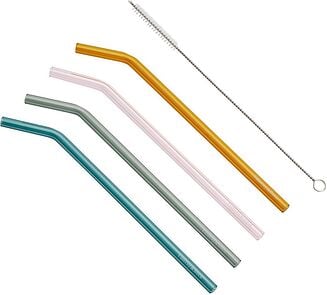
$32.60$36.22
Artesano Hot&Cold Beverages Straws glass 4 pcs
Villeroy & Boch
Dispatch within 10 working days


The Basics of Making Mocktails at Home
Creating a gorgeous mocktail at home doesn't require fancy equipment or professional bartending credentials. All you need are a few basic rules and the right ingredients.
What to keep in your kitchen:
Citrus fruits (limes, lemons, oranges), fresh seasonal fruits, mint, and basil
Brewed green or black tea (chilled in the fridge)
Sparkling water, tonic, and orange juice
Maple syrup, honey, cane sugar, and vanilla extract
Milk or plant-based drinks (for dessert-style cocktails)




Types of Bases for Non-Alcoholic Cocktails:
Base Type | Examples | Best Used For |
|---|---|---|
Fruity | Mango puree, pineapple juice | Tropical, sweet mocktails |
Tea-based | Strong brewed green tea | Light, detoxifying drinks |
Bitter | Tonic water, citrus peel infusions | Aperitifs, gin alternatives |
Creamy | Coconut milk, oat drink | Dessert-style, creamy mocktails |
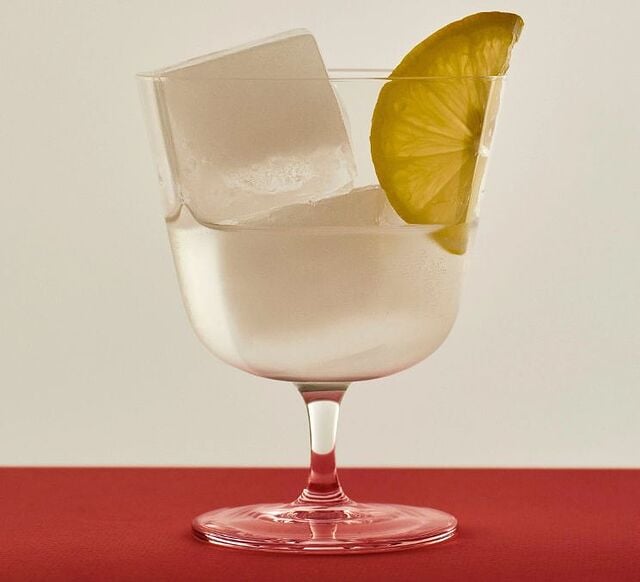
Non-alcoholic cocktails should always be made with high-quality ingredients – fresh citrus juices are absolute game-changers. Non-alcoholic syrups can be used, while natural sweeteners help balance the flavor profile. Sparkling water is a popular mixer, and ice works best in large cubes or crushed – depending on the recipe. Using large ice cubes keeps your mocktails chilled for longer without watering down the flavors.
As for tools, you only need the basics: a shaker (or a tight-fitting jar in a pinch), a muddler (or a wooden spoon), a jigger, and a strainer. Work with what you have – simple home methods work just as well.
How to Elegantly Serve Non-Alcoholic Drinks
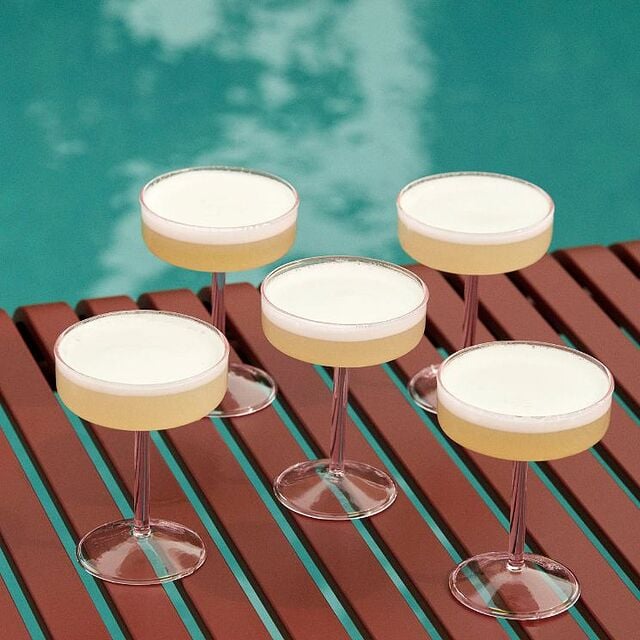
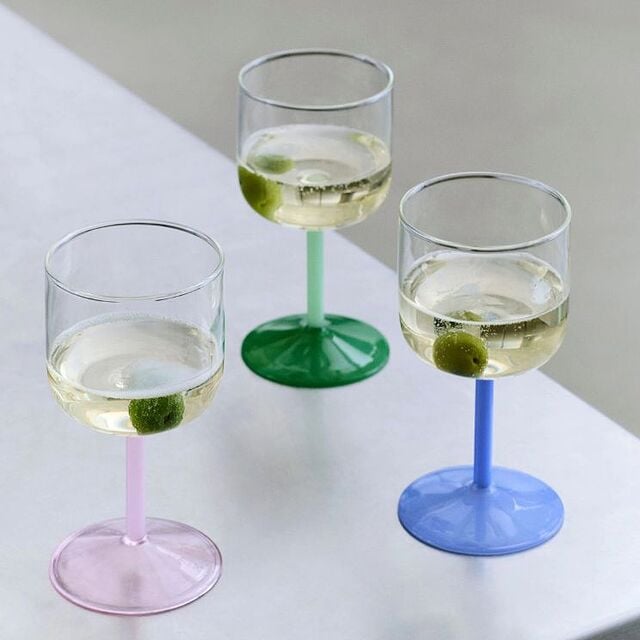
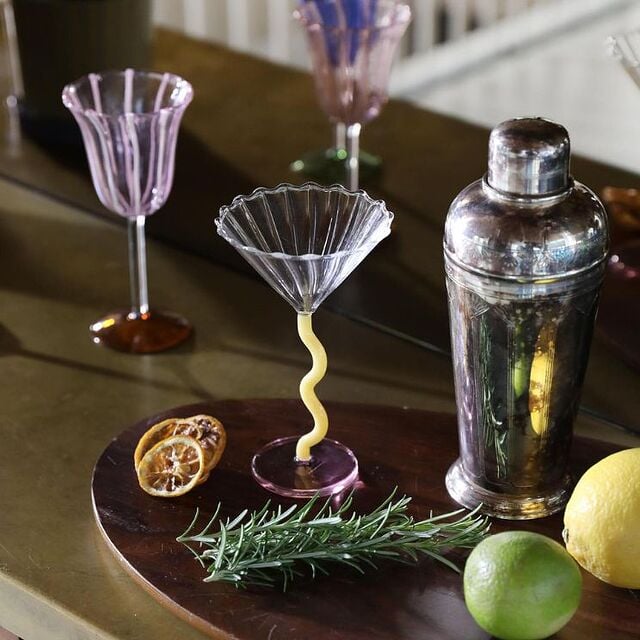
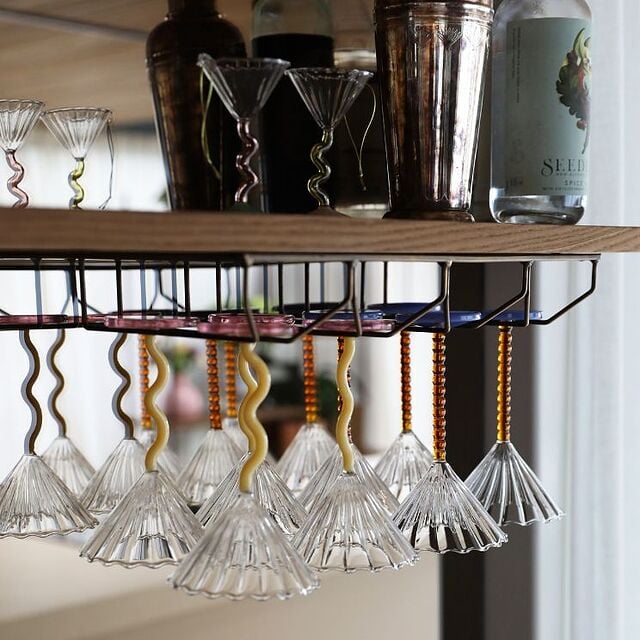
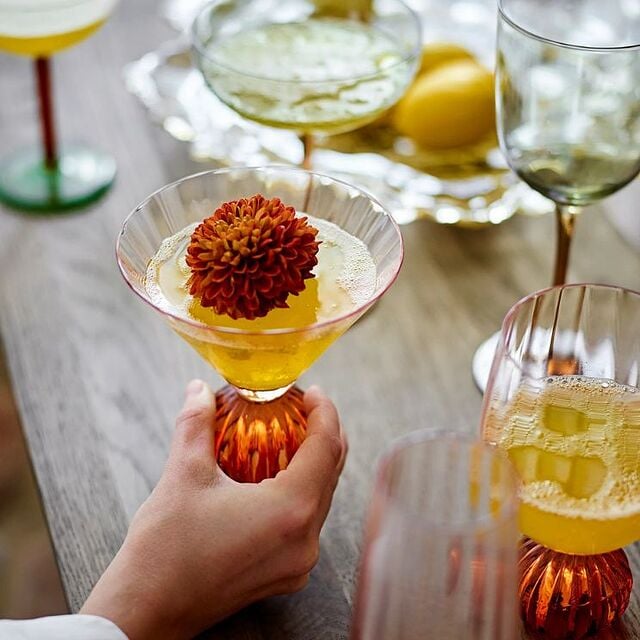
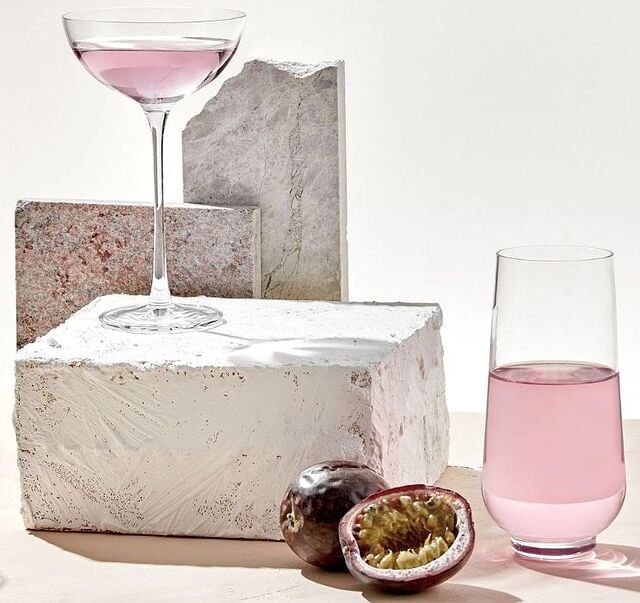
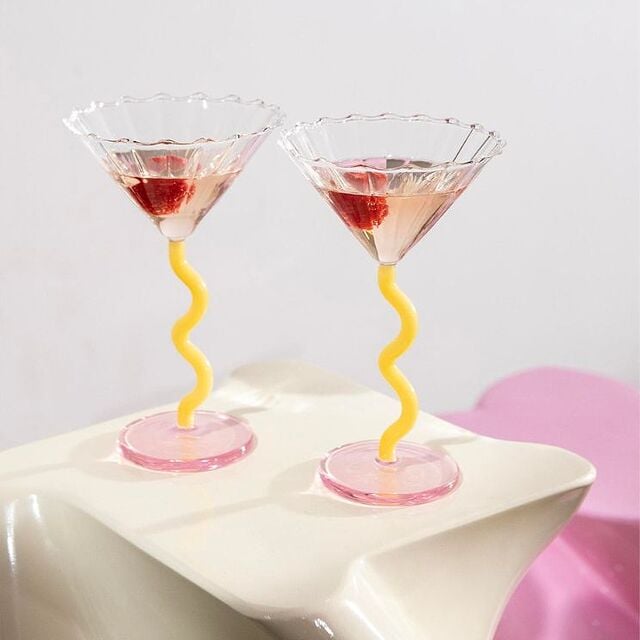
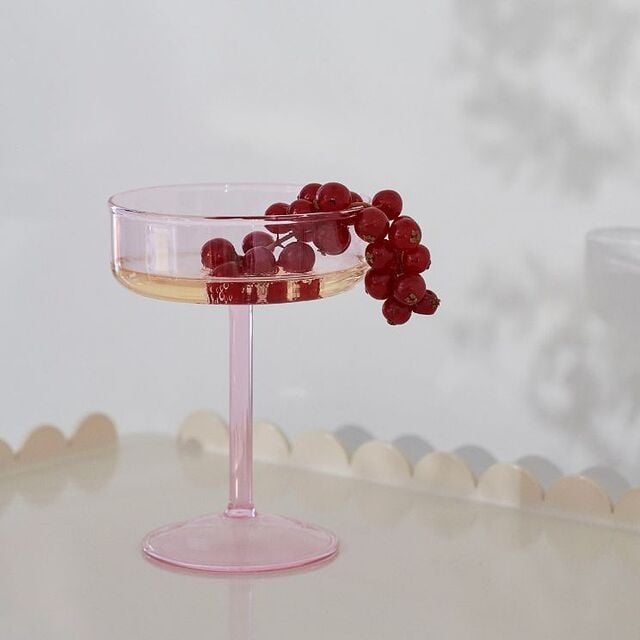
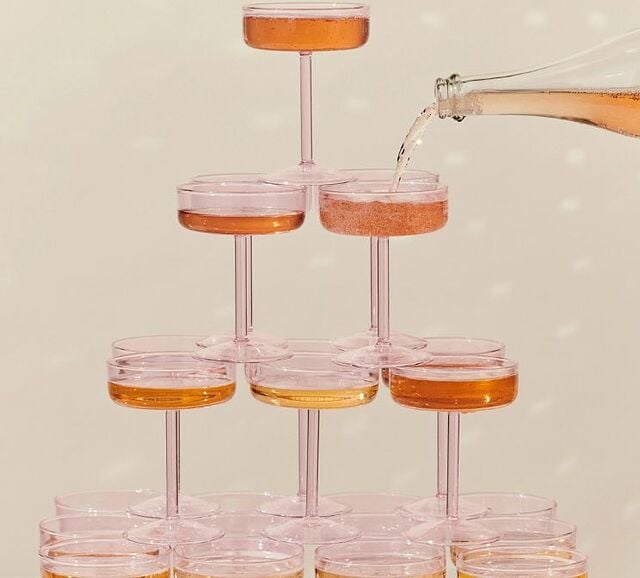
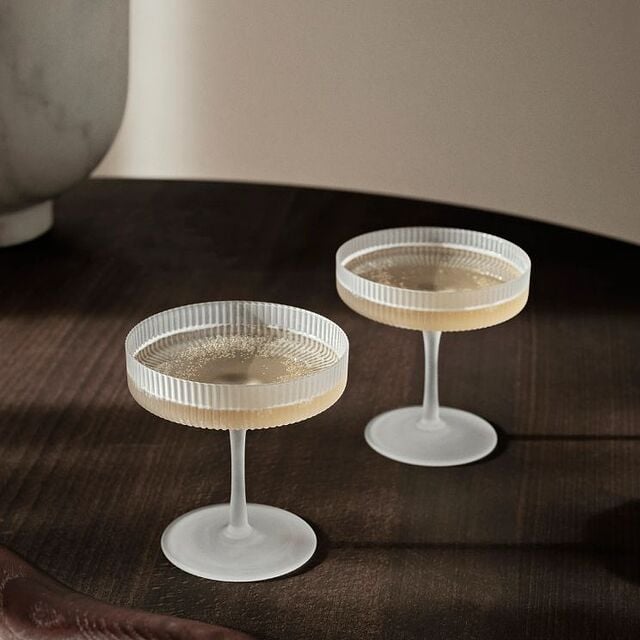
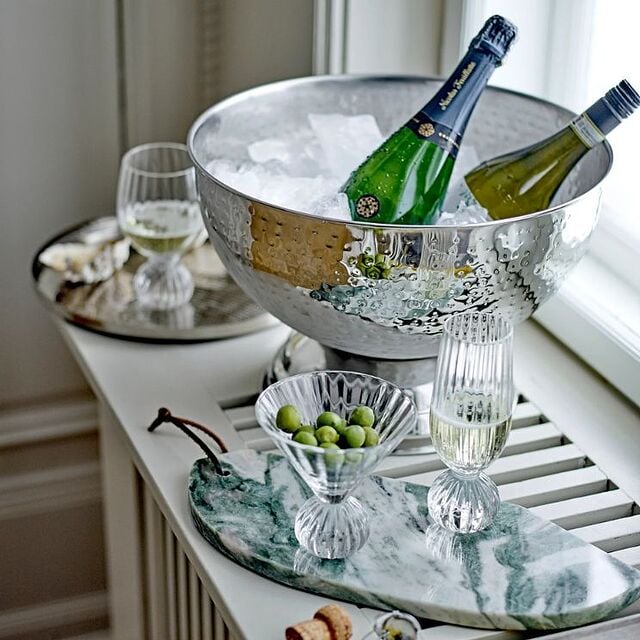
Presentation is half the pleasure. Mocktails deserve to be served in elegant glassware – just like their alcoholic counterparts. Serving mocktails in beautiful glasses instantly elevates the entire experience.
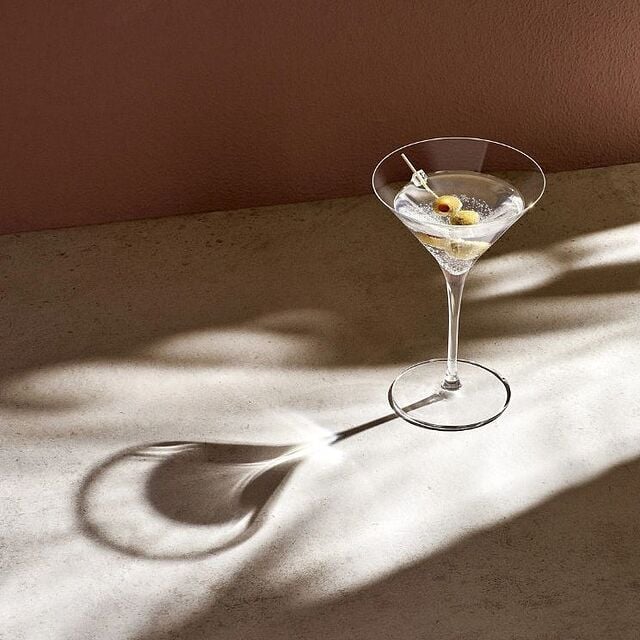
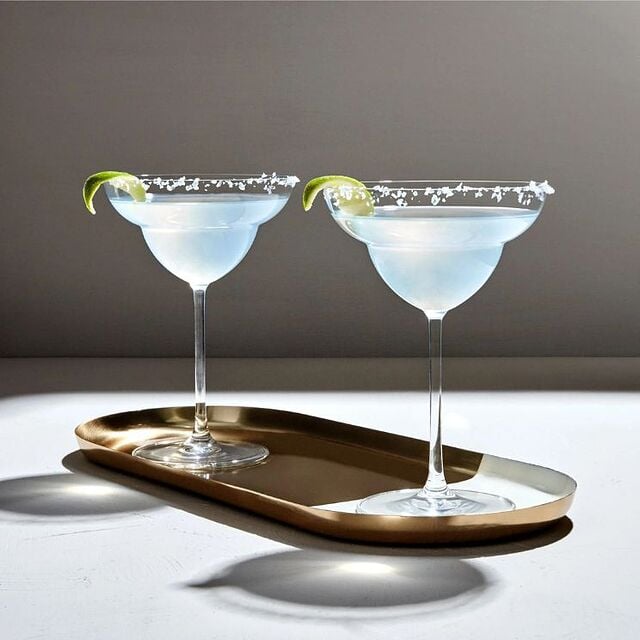
Glassware: serve mocktails in wine glasses, highball glasses, or prosecco flutes – it makes them look incredibly sophisticated. Mocktails look stunning in tall glasses and stemmed glassware alike.
Garnishes: citrus slices, twists of peel, sprigs of fresh herbs (mint, rosemary), or fruit skewers. Garnishing non-alcoholic drinks with fresh fruit and herbs takes them to the next level. You can also add a dusting of cinnamon or a coconut-rimmed edge to the glass.
Infused Ice: colorful ice cubes with frozen fruit are a popular mocktail decoration – freeze cubes with raspberries, blueberries, or herbal tea. It’s a clever trick that keeps your drink cold without diluting the flavor.
Layering: mocktails can be layered and colorful, just like traditional cocktails. By pouring ingredients of different densities (syrup, then juice, then sparkling water) slowly over ice, you can create a striking visual effect, especially in tall glasses.




Why Choose Non-Alcoholic Cocktails?
Alcohol-free drinks are more than just a passing trend – they are a conscious lifestyle choice. Here are a few reasons why you should give them a try:
Health and Well-being: mocktails generally contain fewer calories than traditional cocktails. No alcohol means no hangover and less strain on your liver. Research published by National Geographic shows that having access to non-alcoholic alternatives can reduce daily alcohol intake by about 11 grams – the equivalent of one beer.
Social Comfort: at house parties, weddings, or family gatherings, those who choose not to drink can hold an elegant mocktail and feel just as festive and included as everyone else.
Versatility: non-alcoholic cocktails are perfect for baby showers, family celebrations, or corporate events – anywhere alcohol might not be suitable for everyone.
Creativity: making mocktails is pure fun. It lets you experiment with spices, herbal infusions, and homemade syrups. By using ginger, cinnamon, or cardamom, you can create drinks with a surprising depth of flavor.
The bottom line? A well-crafted mocktail can easily rival any classic alcoholic drink in both aroma and taste. We hope these recipes prove exactly that!
FAQ – Frequently Asked Questions About Mocktails
Below you'll find answers to practical questions that often pop up when you start making non-alcoholic drinks at home. These tips will help you get creative and master the art of mocktails.
Are mocktails suitable for children?
Most mocktails are perfectly fine for kids, provided they don't contain caffeine (from green tea or coffee) and are low in sugar. For the little ones, avoid drinks with tonic water (which contains quinine) – opt instead for light fruit bases diluted with still or sparkling water. In the recipes above, you can easily swap the green tea for a chamomile infusion.
How can I reduce the sugar content in mocktails?
You can replace refined sugar with maple syrup or honey, but keep an eye on the quantities – in many recipes, a single teaspoon per serving is plenty. Use very ripe fruits (like bananas, mangoes, or sweet apples) to add natural sweetness. Choose unsweetened sparkling waters and tonics, and let the fruit juices do the heavy lifting. Experts from Baylor College of Medicine emphasize that cutting down on added sugars is key to making mocktails truly healthy.
Can I make mocktails ahead of time for a party?
Yes! Preparing your bases (chilled infusions, juice blends, homemade syrups) in the morning is a great way to save time before an evening party. Just hold off on adding the sparkling water, tonic, and ice until right before serving to keep the drinks bubbly and fresh. You can prepare a large pitcher of the base and leave bottles of sparkling water nearby so guests can top up their own drinks to taste.
How do I replace alcohol in classic drink recipes?
Alcohol brings bitterness, acidity, and distinct aromas to a drink. You can mimic these qualities using bitter tonic, citrus peels, a splash of apple cider vinegar (just a few drops!), or concentrated herbal infusions. The market for 0% spirits – like alcohol-free gin, rum, and aperitifs – is growing rapidly, and these make excellent direct swaps. Don't hesitate to experiment with spices and vanilla extract to add complexity without the proof.
Which mocktails are best for winter, and which for summer?
In the summer, light, citrusy mocktails with plenty of ice, sparkling water, and fresh fruit are unbeatable – think our Aperol Mocktail, Citrus Green Tea, or Virgin Mojito. For winter, we highly recommend richer, more aromatic blends: apple-ginger with maple syrup, or warm chocolate-vanilla drinks infused with festive spices. You can easily adapt these recipes to the season by simply changing the serving temperature and spices. Enjoy them all year round!
What are the most popular mocktails?
The absolute crowd-favorites in the mocktail world are the Virgin Mojito and the Virgin Aperol Spritz.